MANTECH University Campus
Mantes-la-Ville, France
Conseil Départemental des Yvelines
Architects: WILMOTTE & ASSOCIÉS ARCHITECTES / DGM & Associés
Multidisciplinary engineering (TCE) & CCSI: CET Ingénierie
Environmental engineering: GAYA
Soil remediation engineering: ANTEA
Landscape architect: VINCENT LION PAYSAGE
Acoustics consultant: AVLS
Facility manager: CRAM
Scenography: L&A – LABEYRIE & ASSOCIÉS
Gross floor area: 10,856 sqm
Net usable area: 9,109 sqm
Parking: 180 spaces + 30 motorcycle spaces
2027
Creation of a university campus as part of the urban development of ZAC Mantes Université Gare
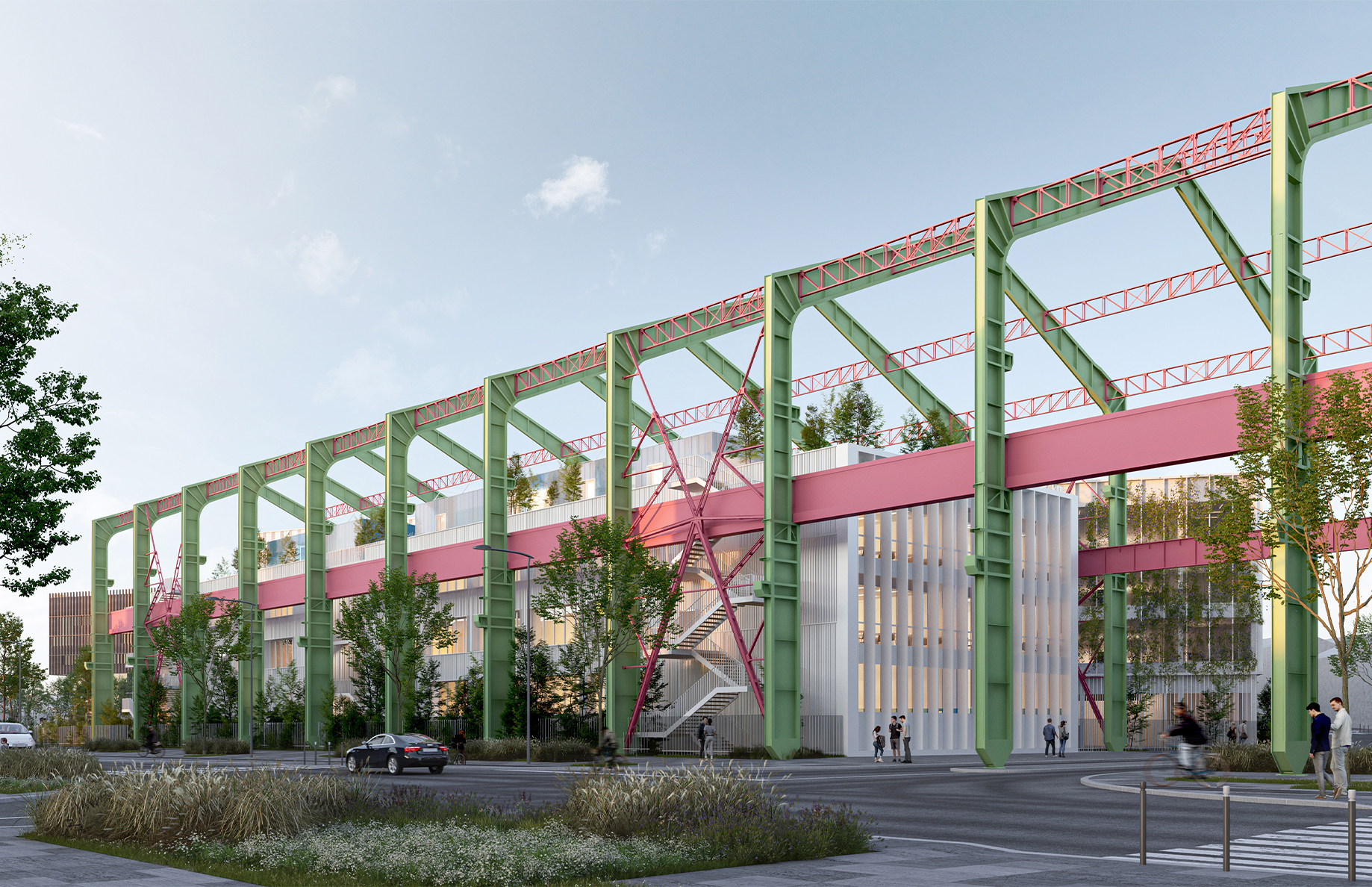
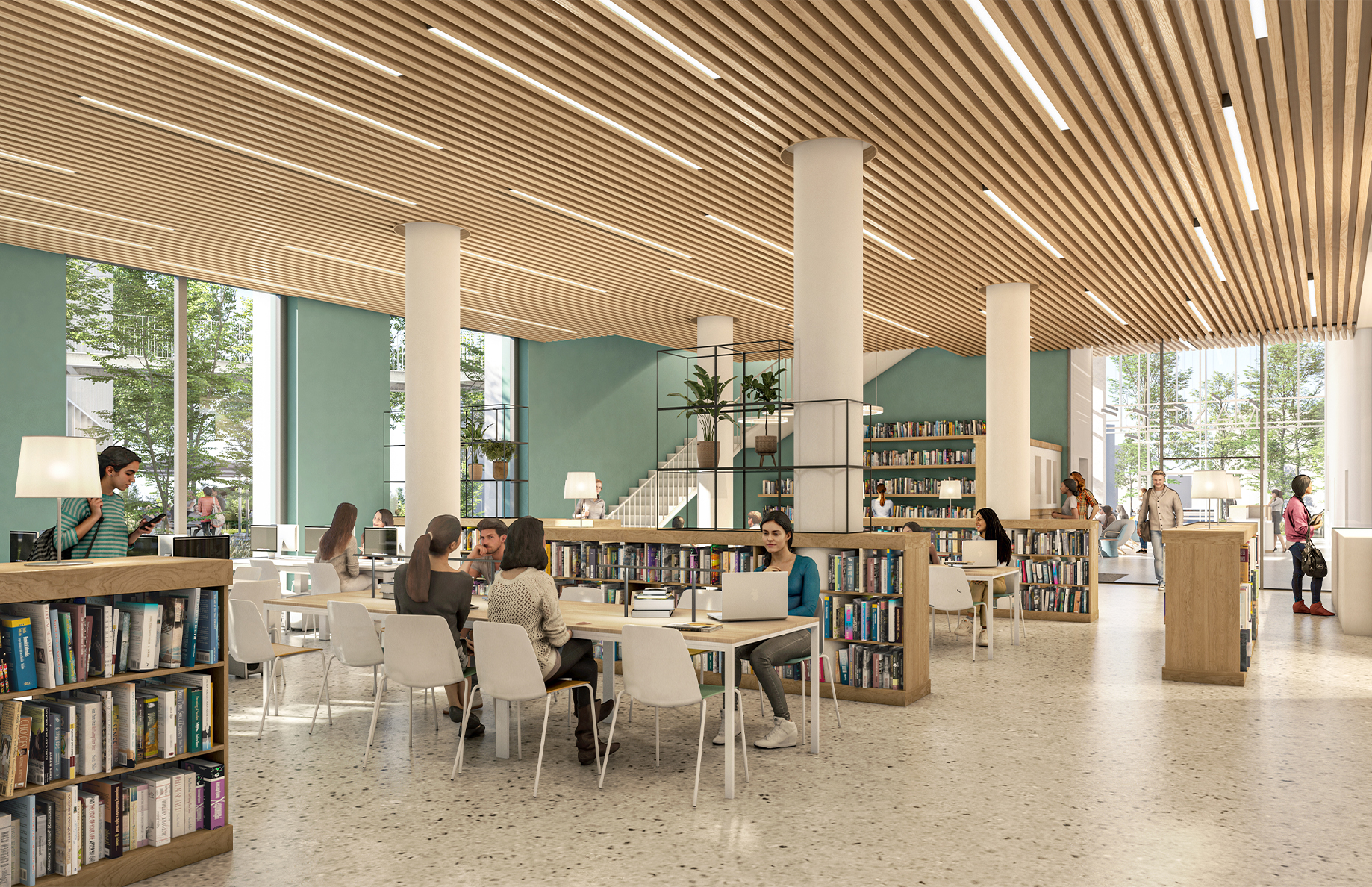
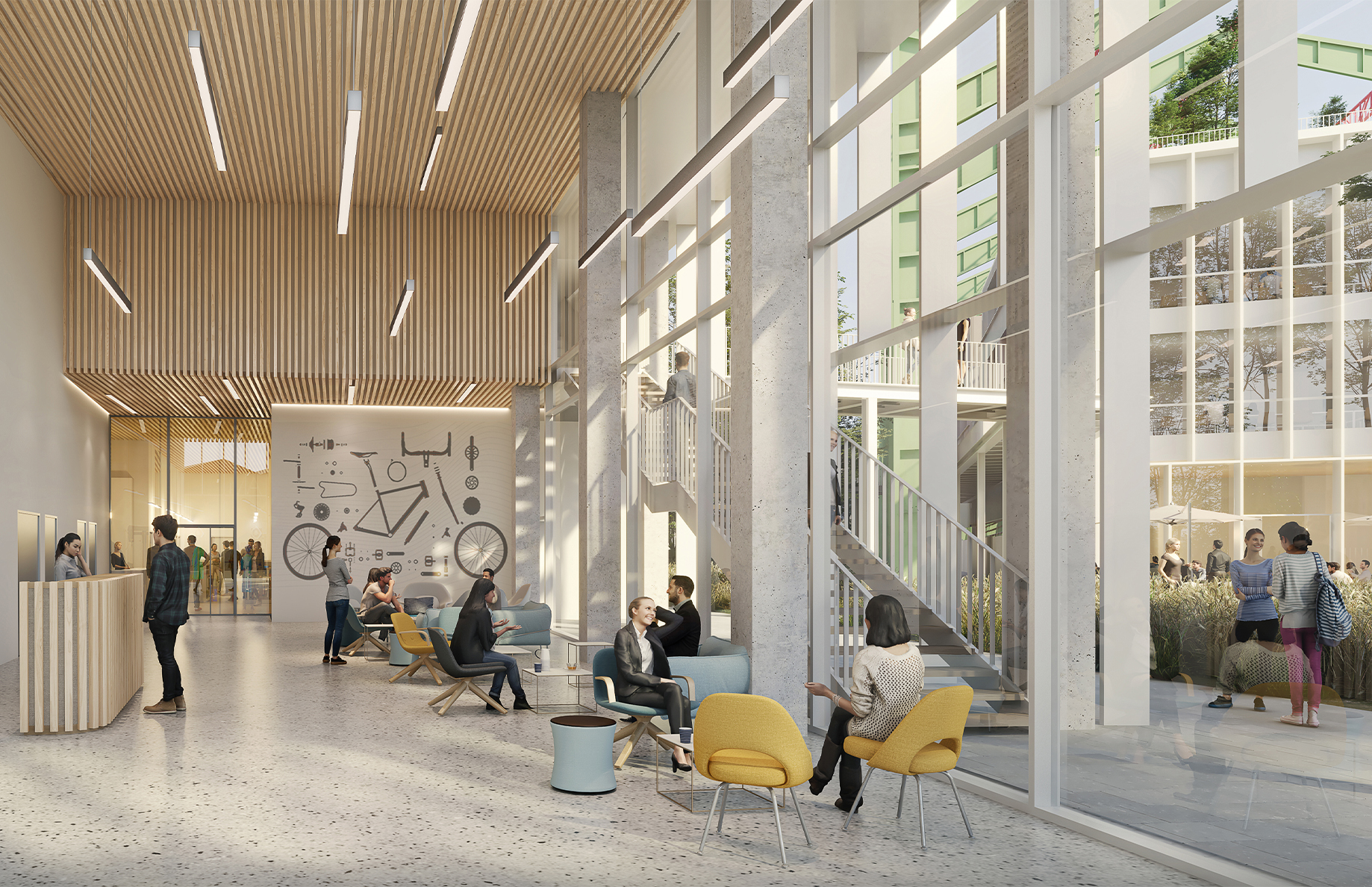
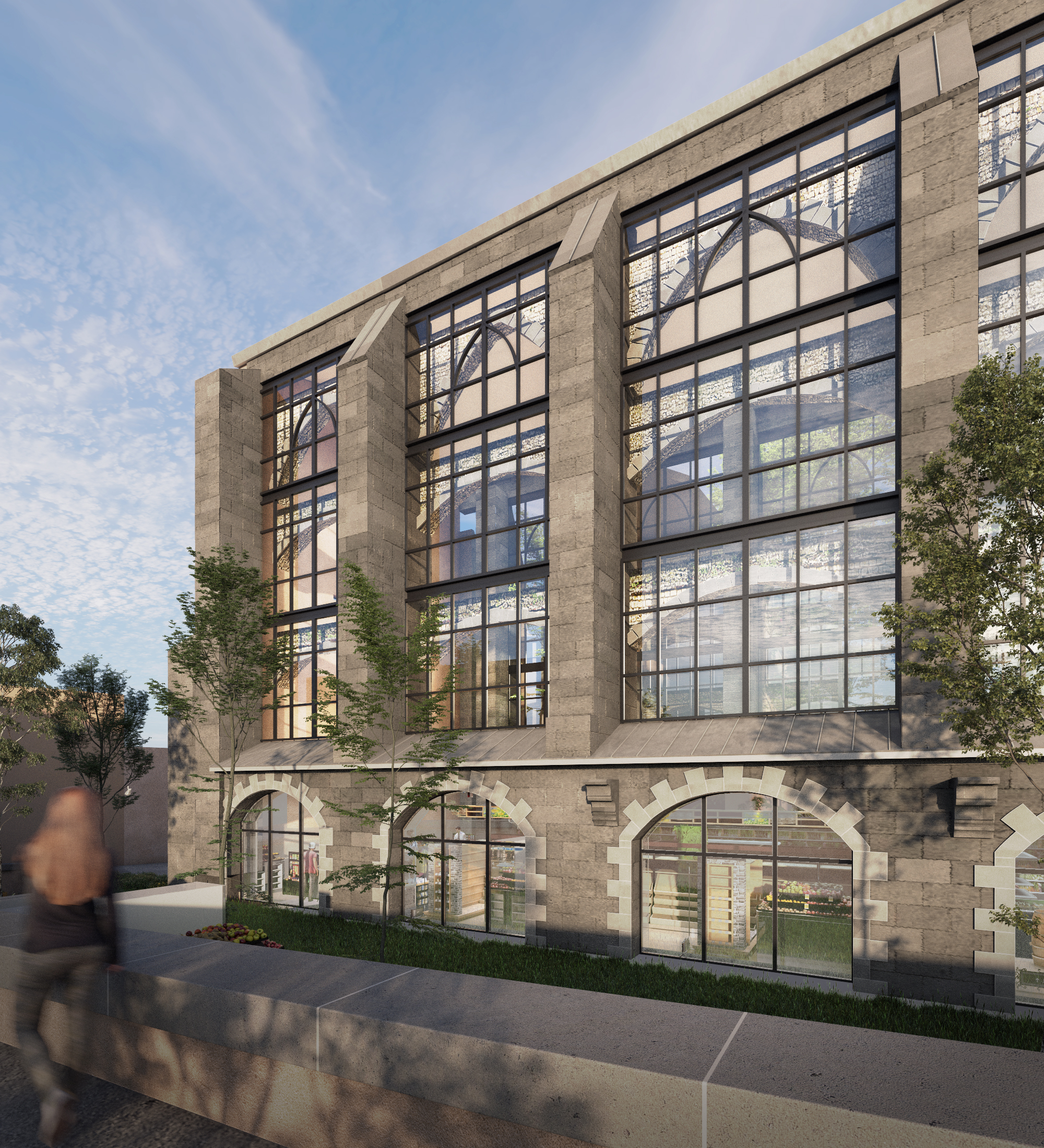
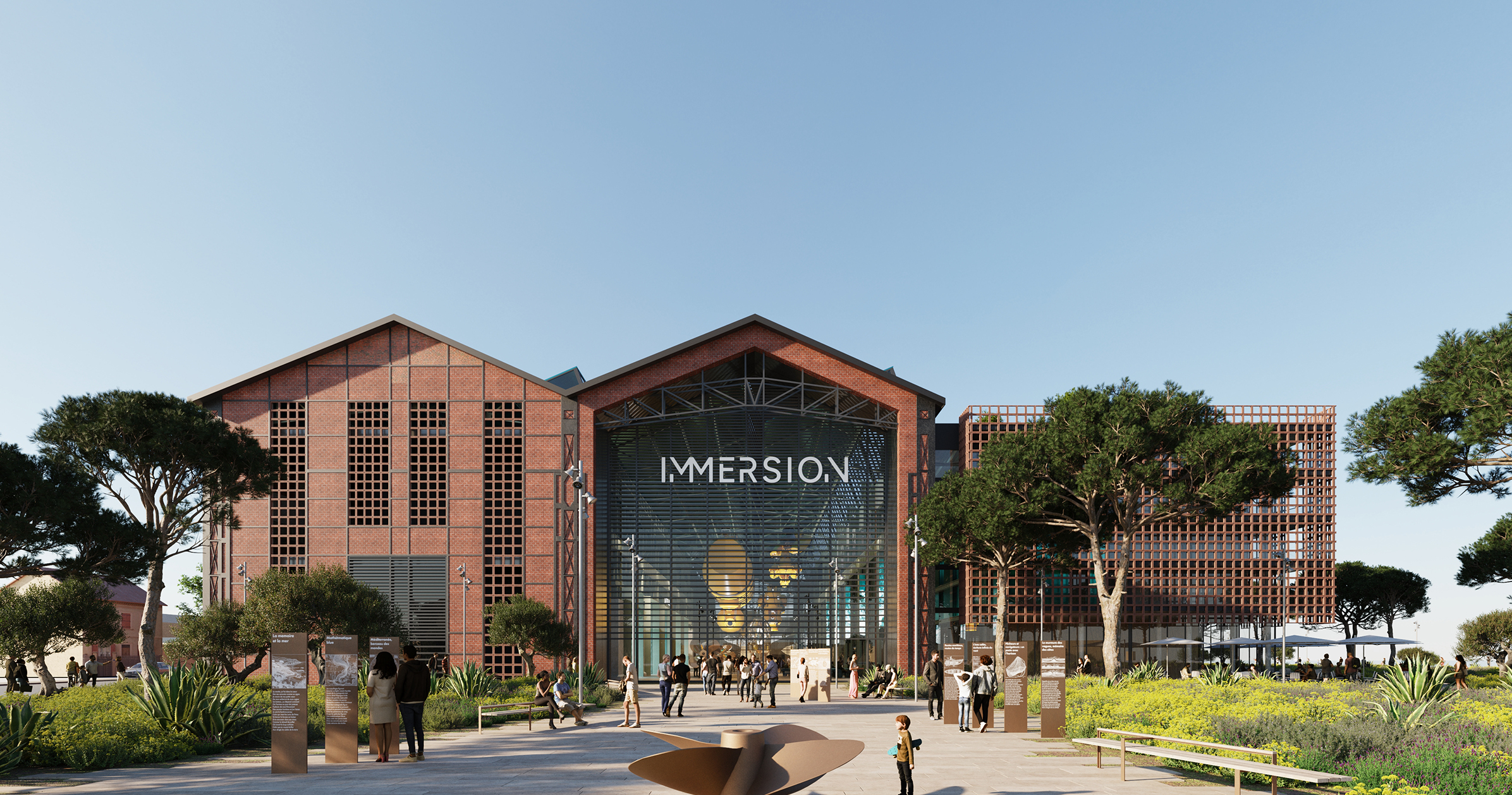
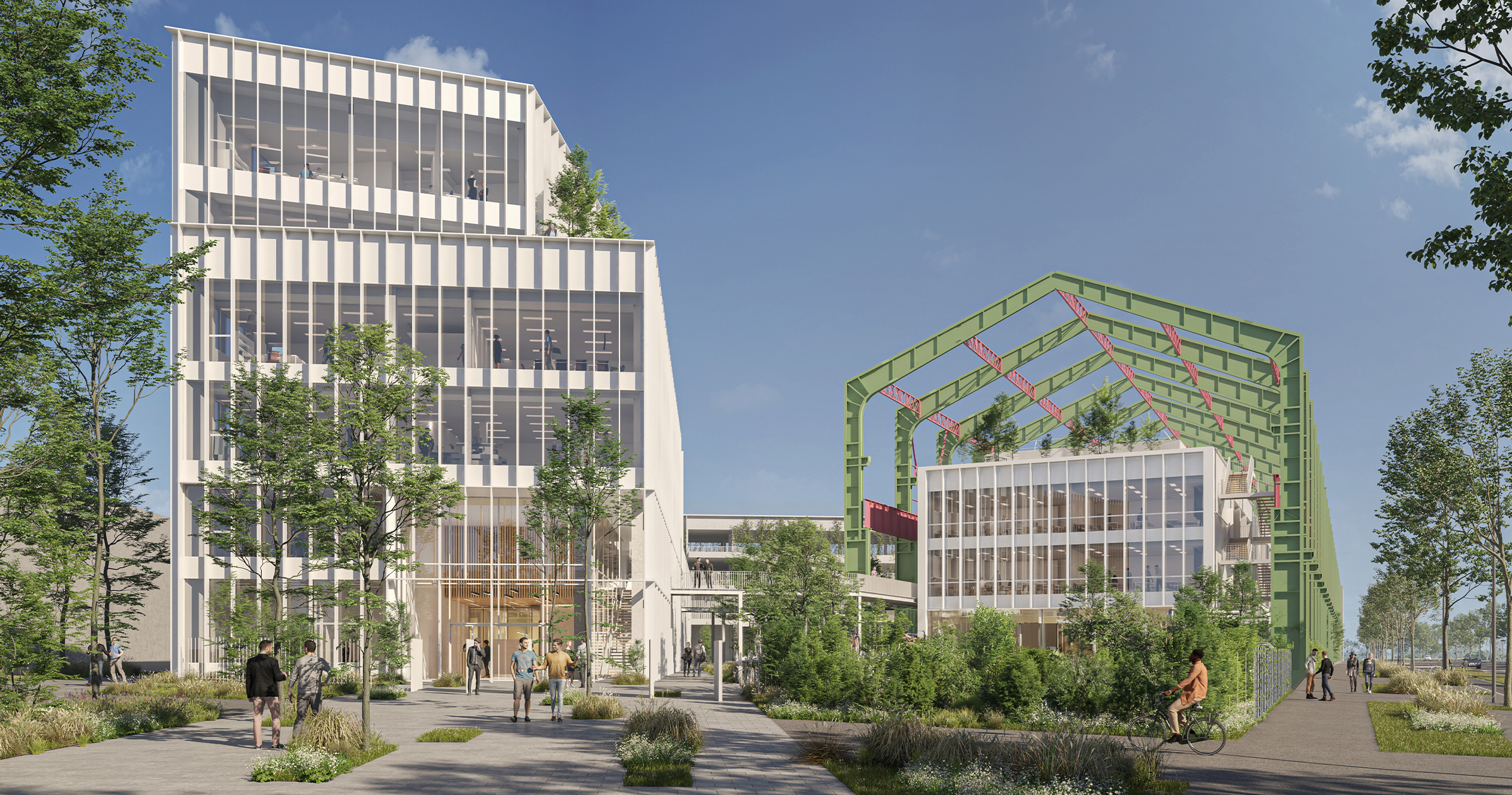
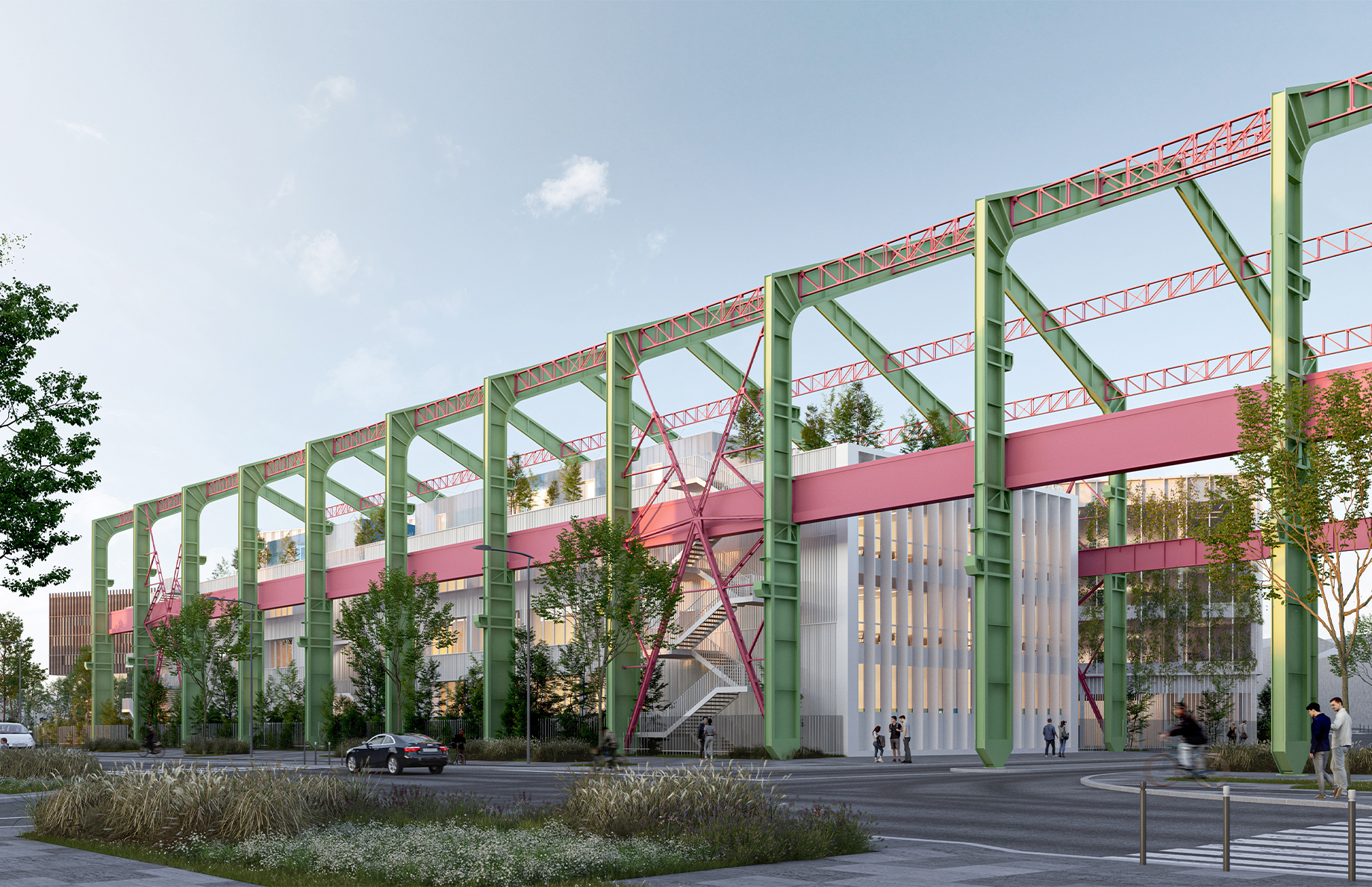
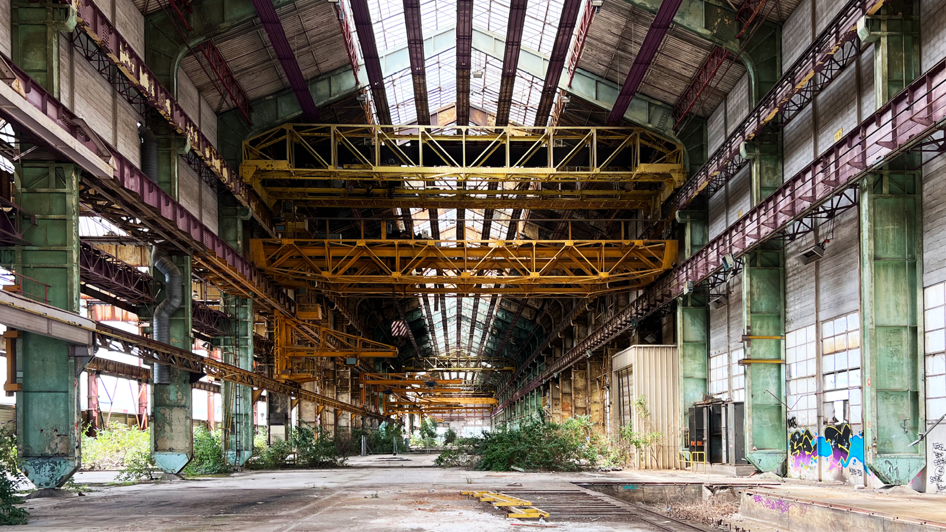
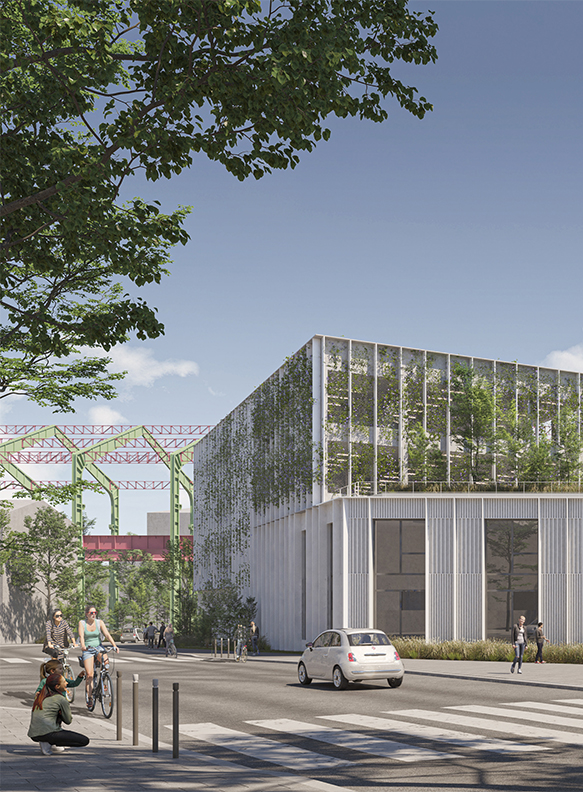
Located in a rapidly transforming district of Mantes-la-Ville, MANTECH brings together three higher education institutions within a single campus, linked to the rehabilitation of the Sulzer Hall, a vast metal structure that reflects the area’s industrial heritage. At the intersection of preservation and innovation, the project asserts a strong identity, supporting an ambitious urban renewal.
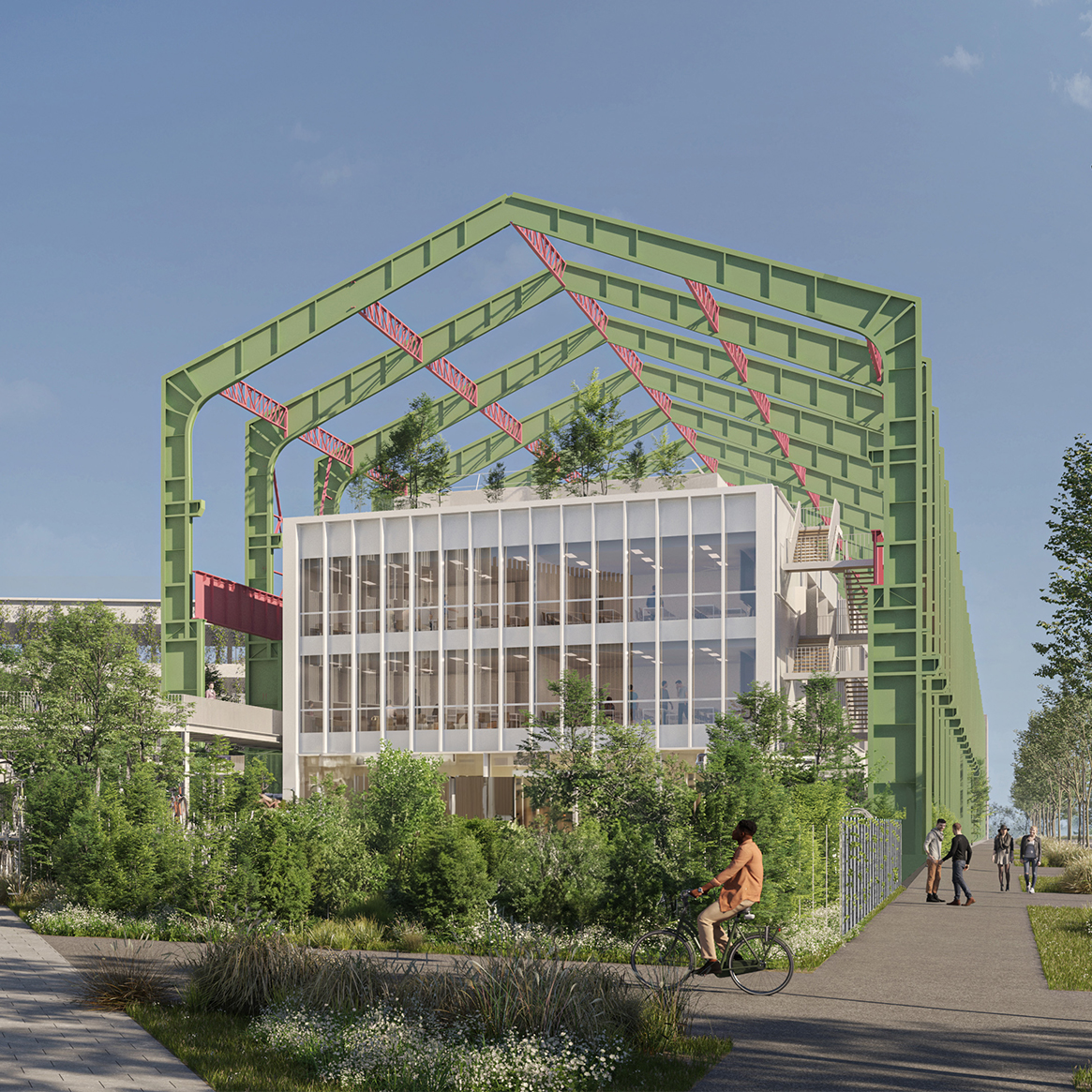
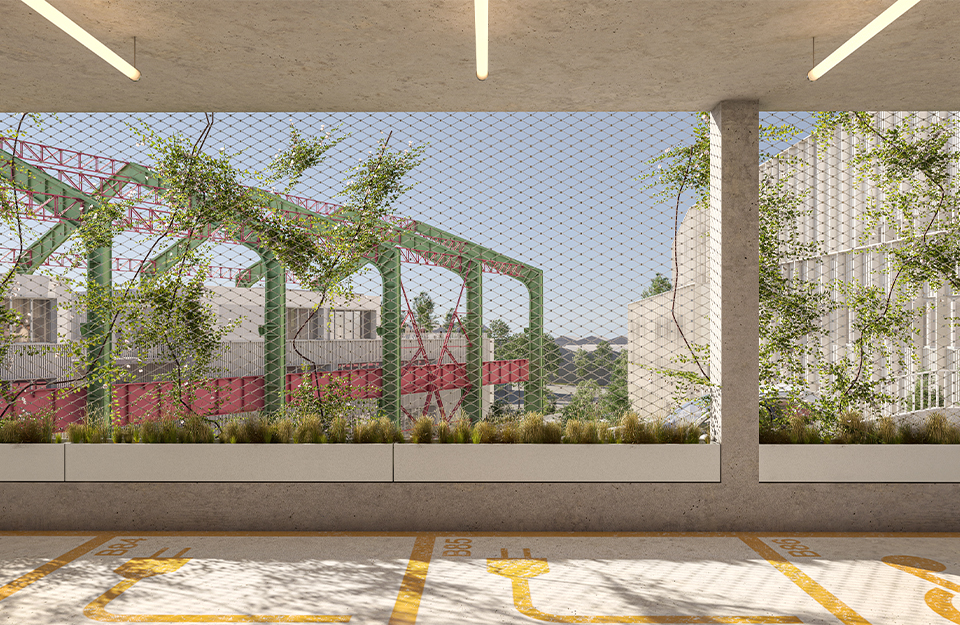
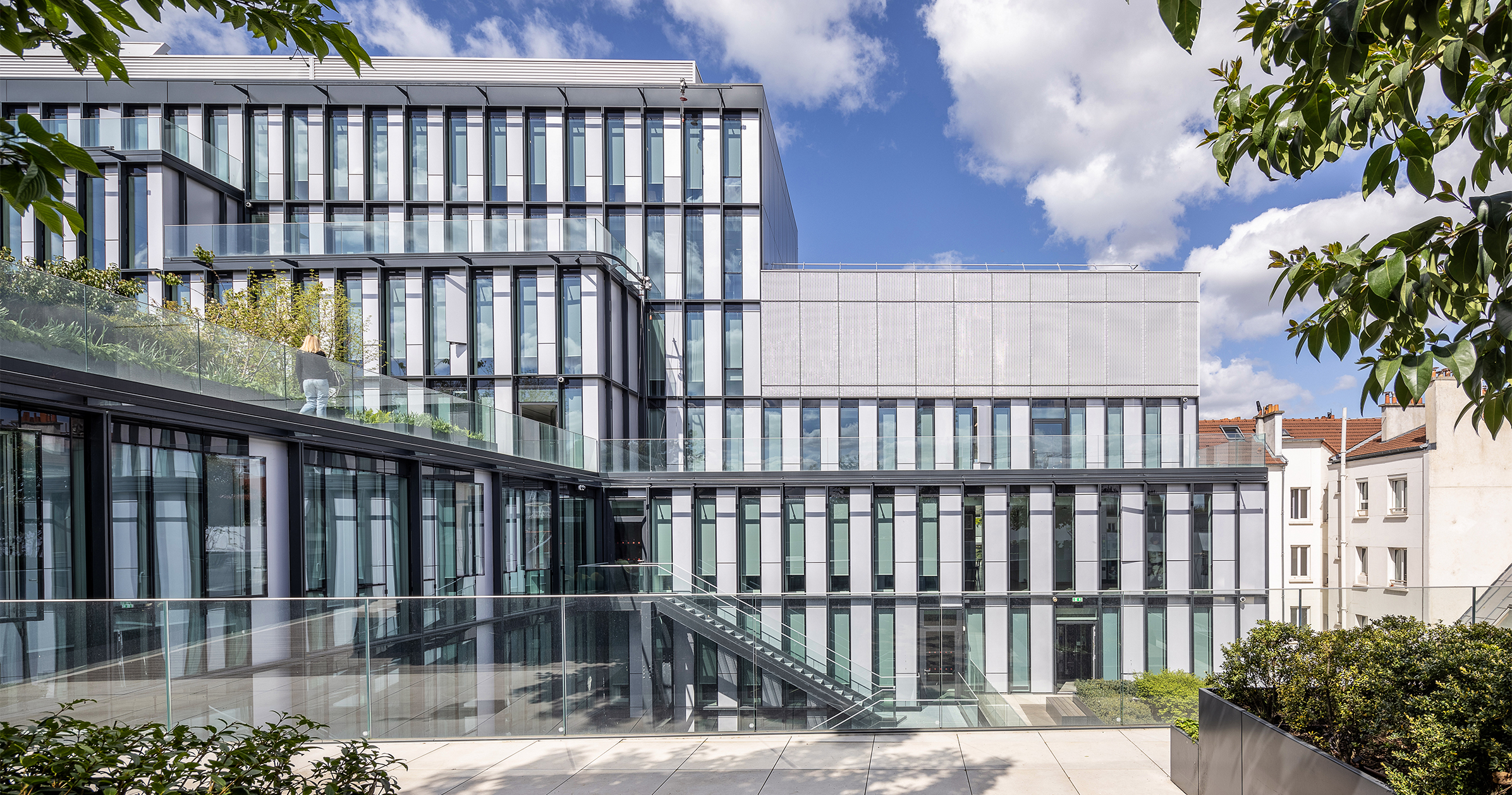
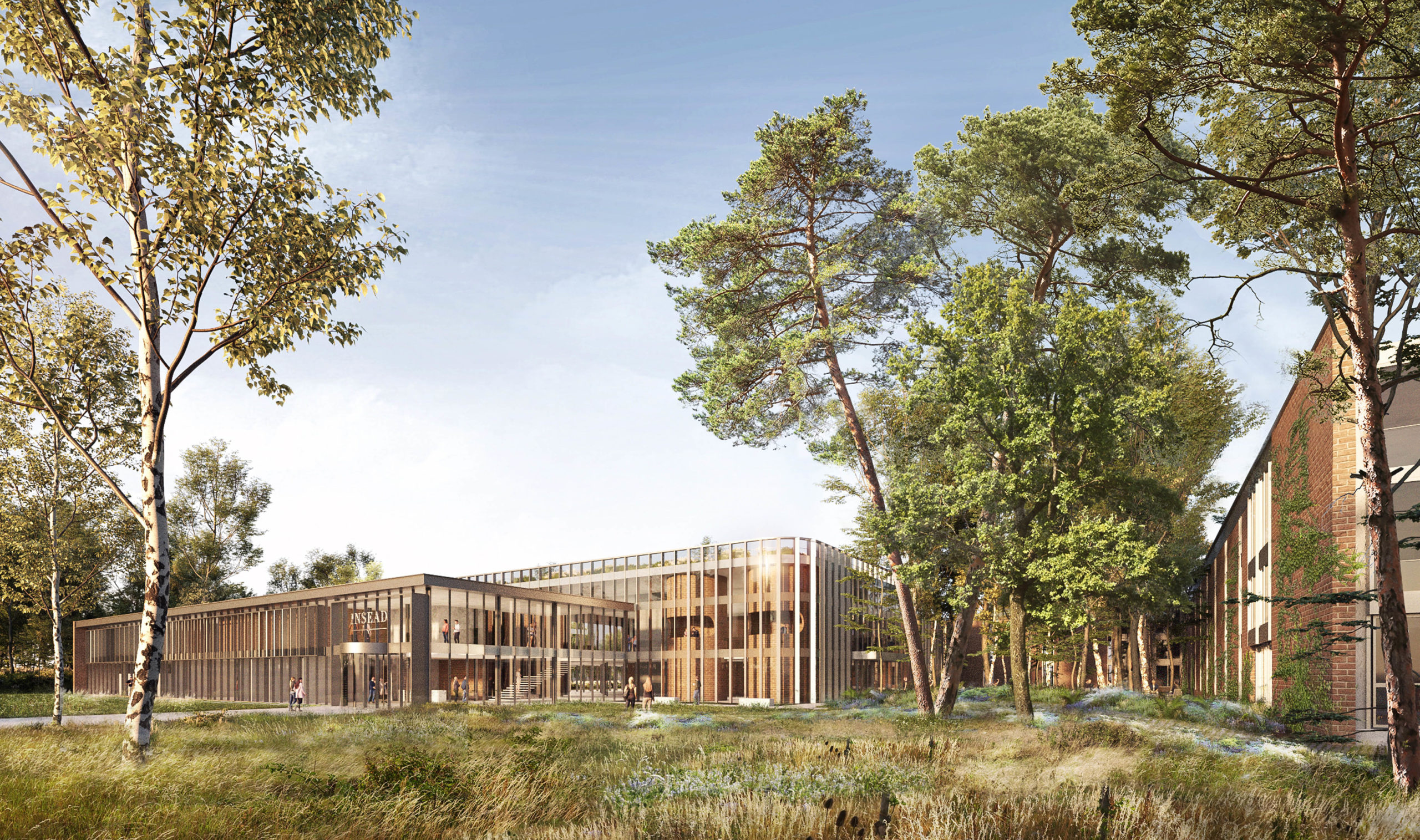
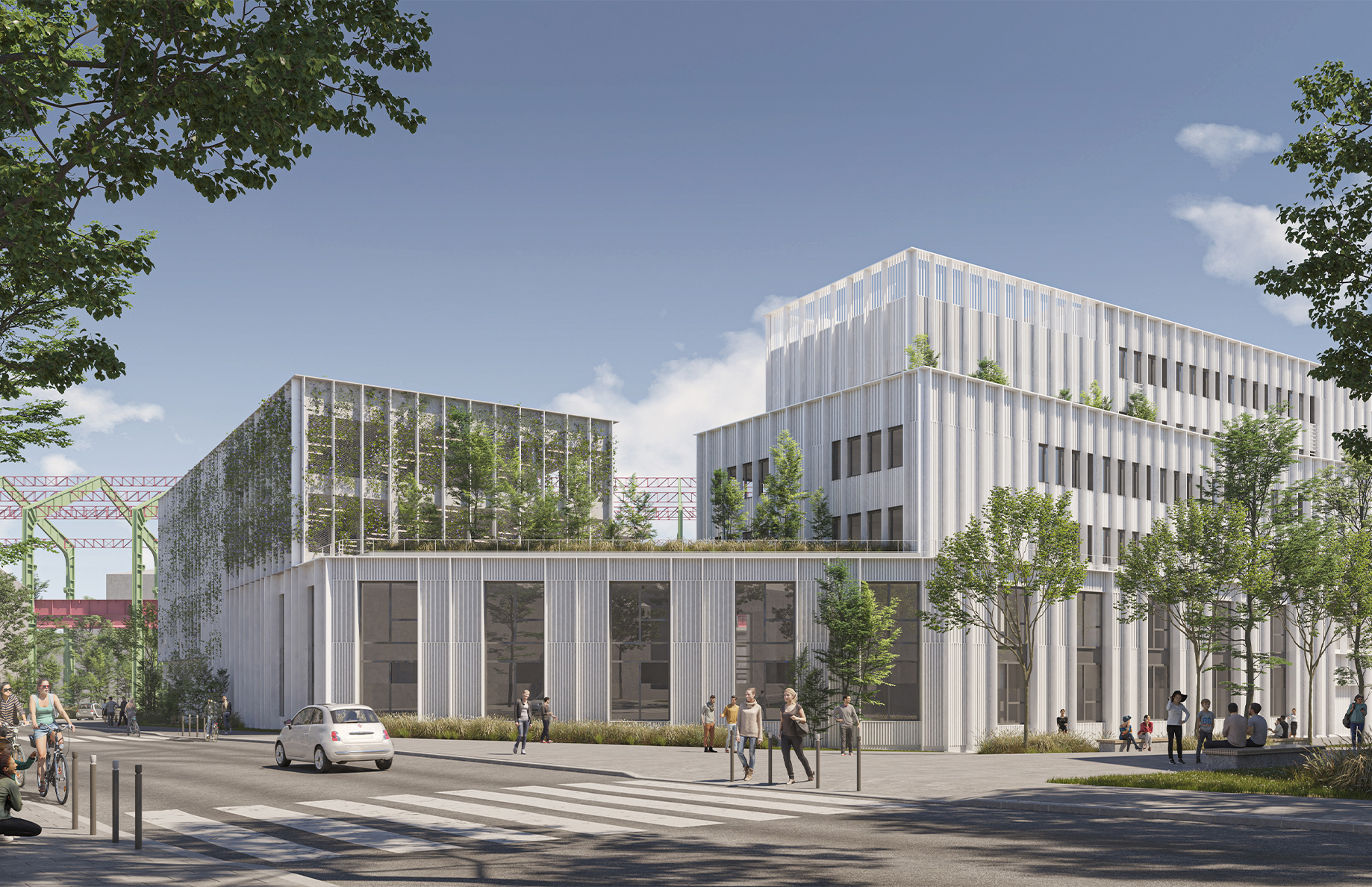
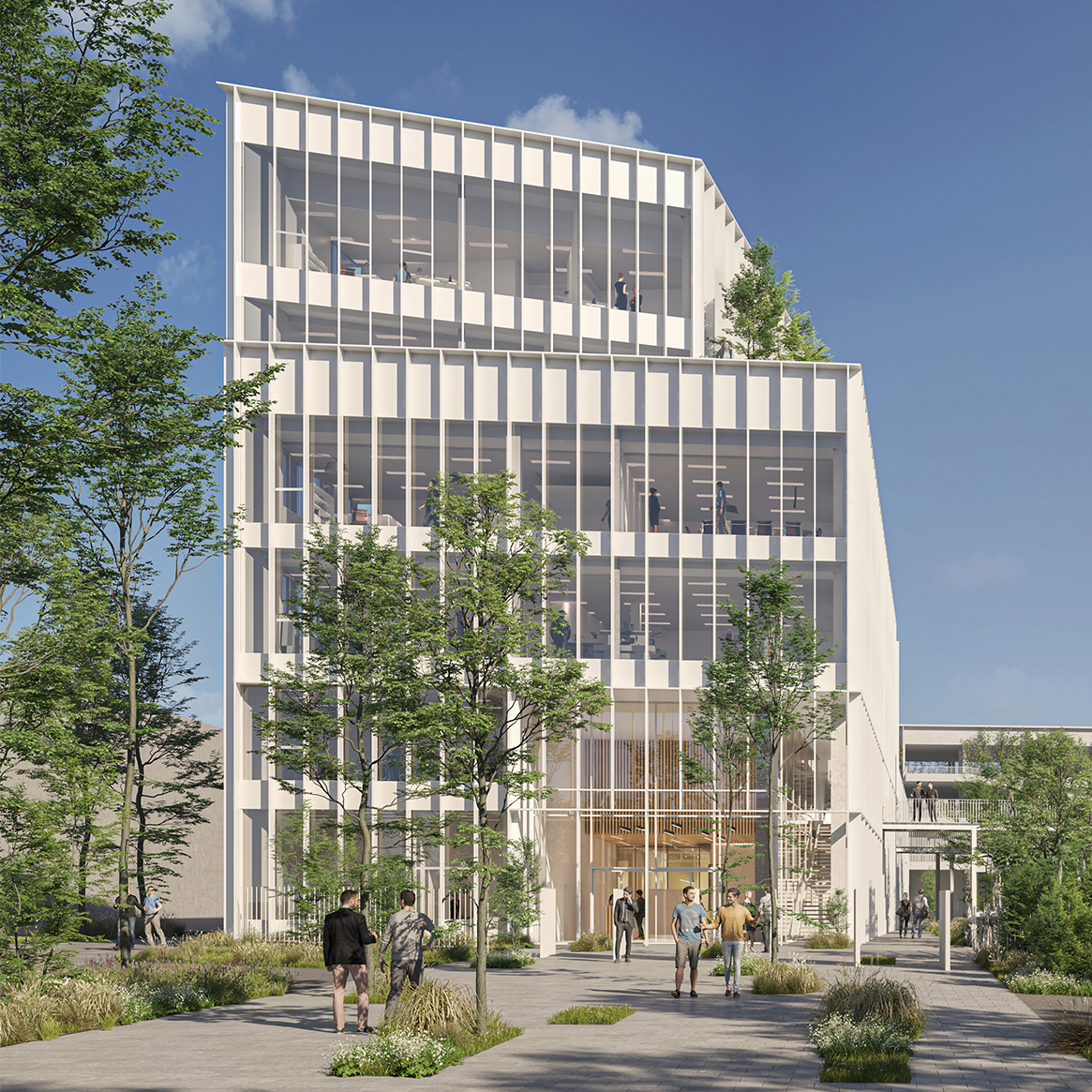
Positioned to the east of the hall, without direct structural contact, the campus consists of three buildings—Mécatech, Learning Hub, and Reversilo—organized around a central garden.
Their contemporary architecture echoes the rhythm of the existing steel frames, with open, light-filled volumes articulated by vertical fins and walkways.
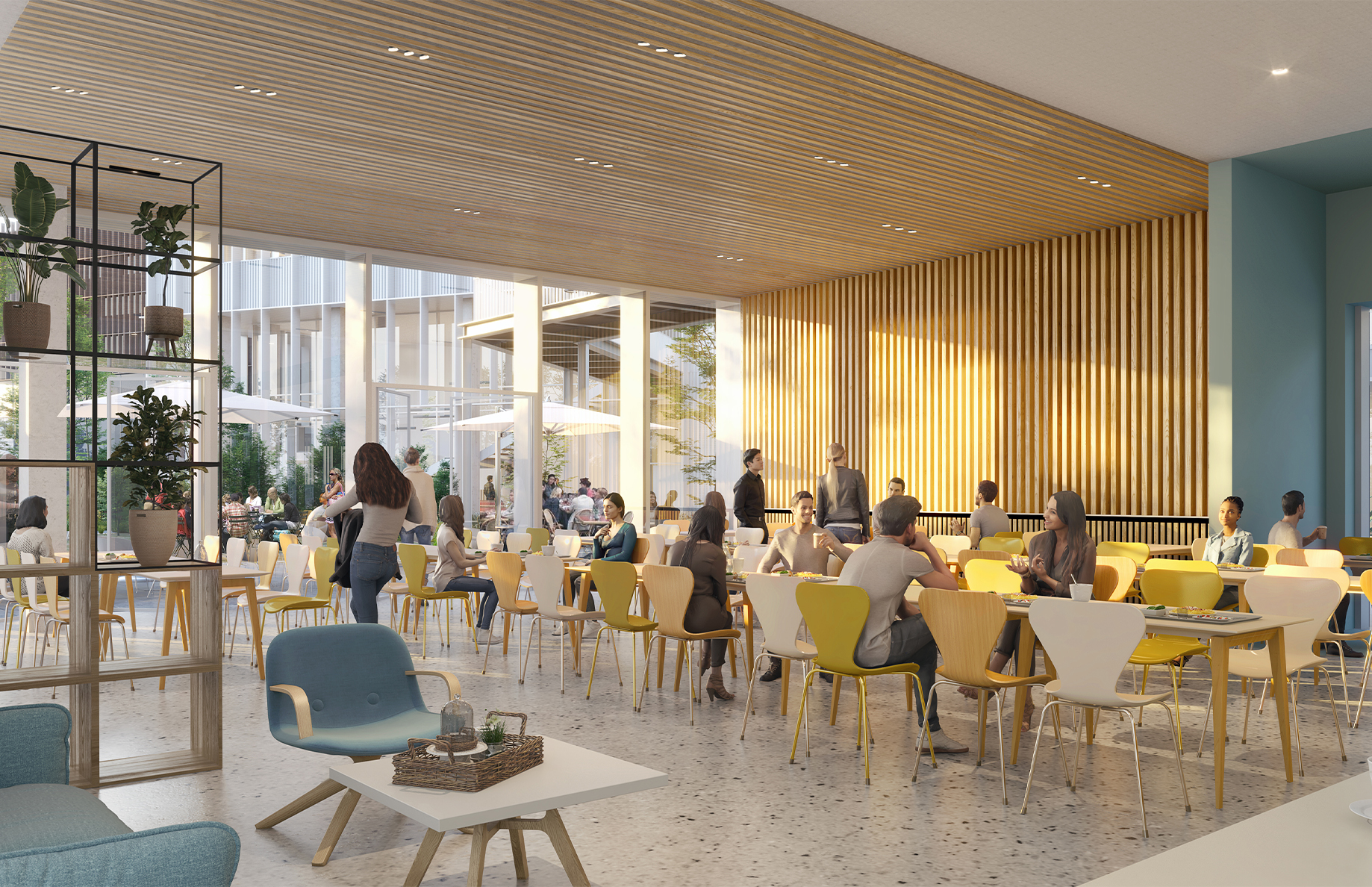
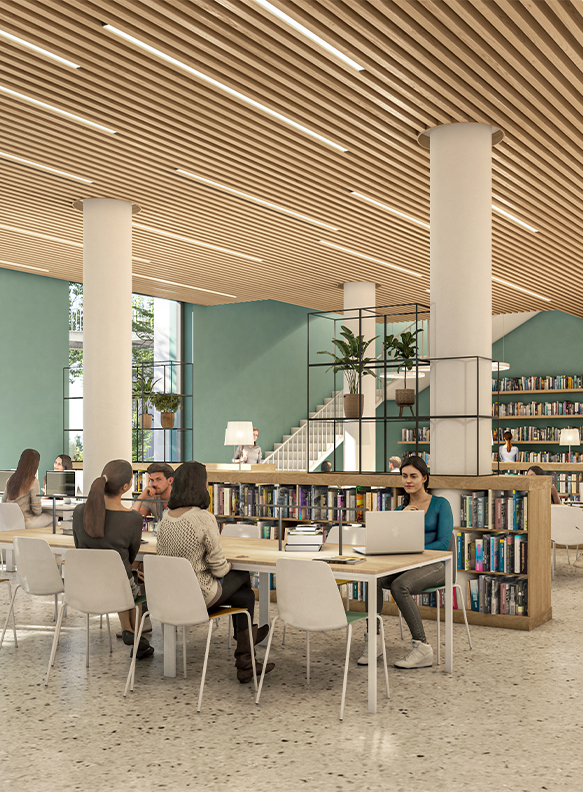
The interior layout encourages transparency and interaction.
The ground level hosts shared and social spaces, upper floors are dedicated to teaching, and rooftops are designed as landscaped terraces. Reversilo, conceived to accommodate future mobility uses, introduces programmatic flexibility.
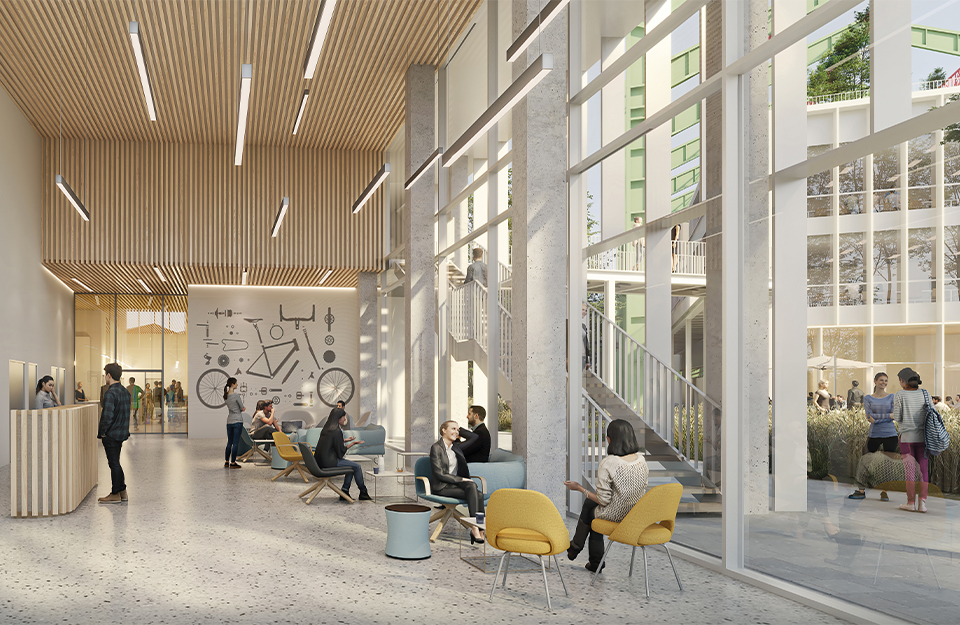
Comfort and sustainability are central to the design. The central garden provides cooling and relaxation areas, while architectural choices prioritize natural light and ventilation. High-performance technical systems address environmental challenges, ensuring a modern and responsible learning environment.
Finally, MANTECH is fully integrated into its urban context, supporting the development of the district and the modernization of transport infrastructure. It promotes mixed uses and social interaction, with publicly accessible outdoor spaces, safe pedestrian pathways, and a direct connection to the renovated station. More than a campus, it is a true economic and cultural driver for the Mantois region.