Museum of Islamic Art, Museography 2.0
Doha, Qatar
Qatar Museums
Architecture and scenography: WILMOTTE & ASSOCIÉS ARCHITECTES
Project management and written specifications: Gleeds
Lighting design: DPA
Signage: ENT ID
Audiovisual equipment: S. Ghodsy Conseil
Audiovisual program: Vidéo Amplitude
Museology: Lydia El Hadad
Technical engineering consultancy: Cundall
Interactive installations: Tactile Studio
Iconography: XY Zèbre
7,000 sqm
2022
Revision of the exhibition galleries’ museography and signage, and restructuring of the museum’s public spaces


In 2018, ten years after its inauguration, the Museum of Islamic Art in Qatar—the result of a collaboration between American architect I.M. Pei, designer of the building, and Jean-Michel Wilmotte, who conceived the museography of the exhibition halls—embarked on a project to revise and modernize its museography and gallery signage, as well as to restructure its public spaces.
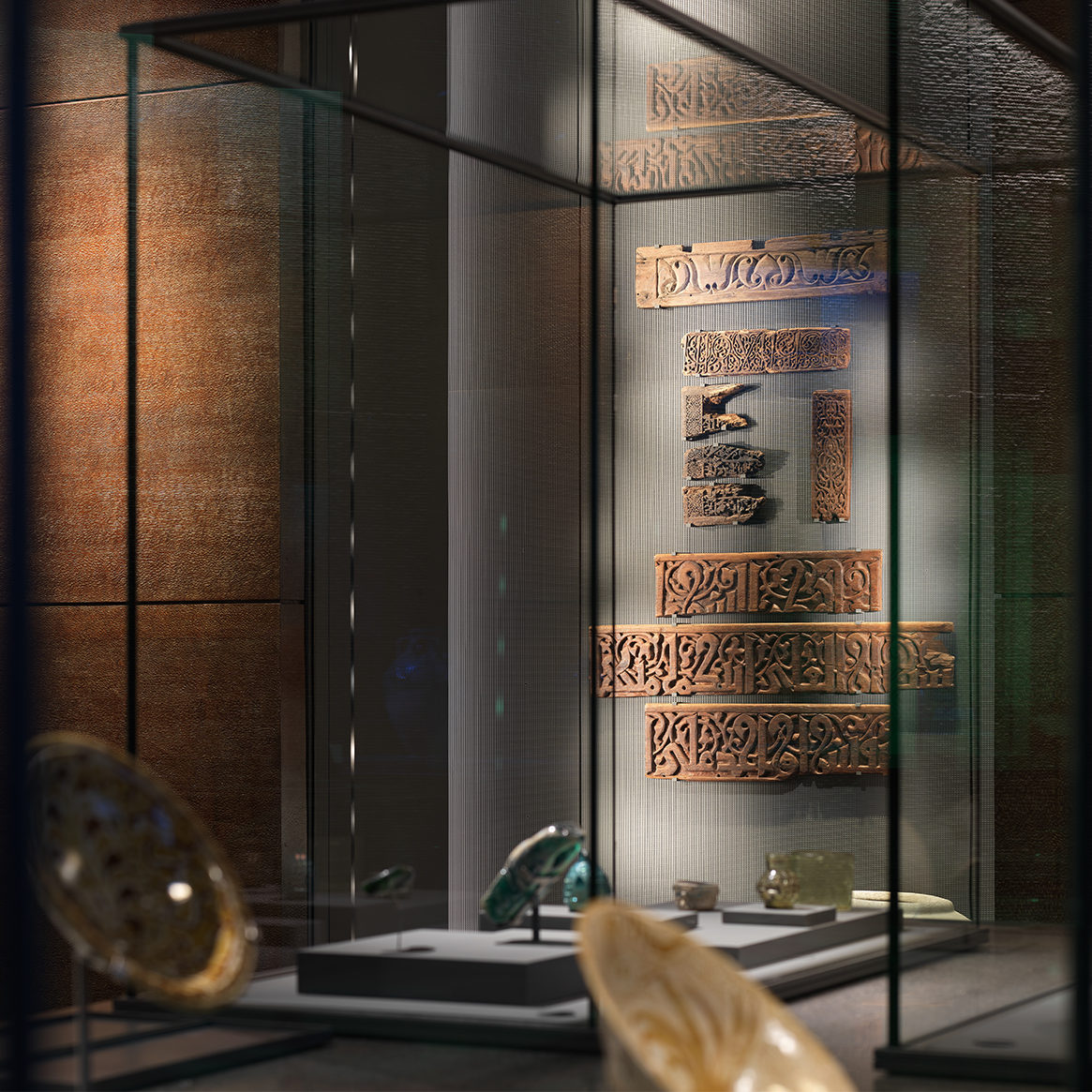
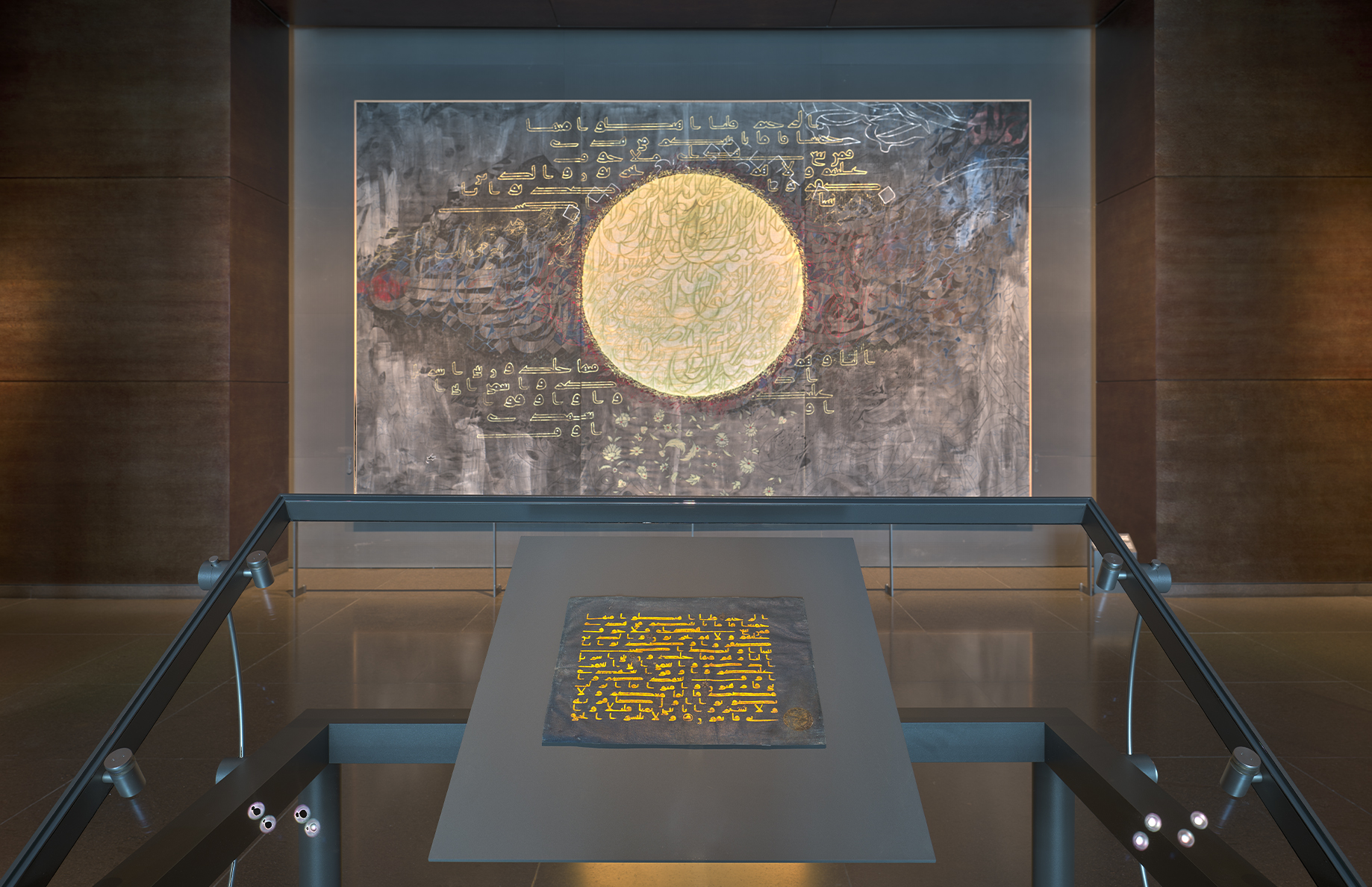
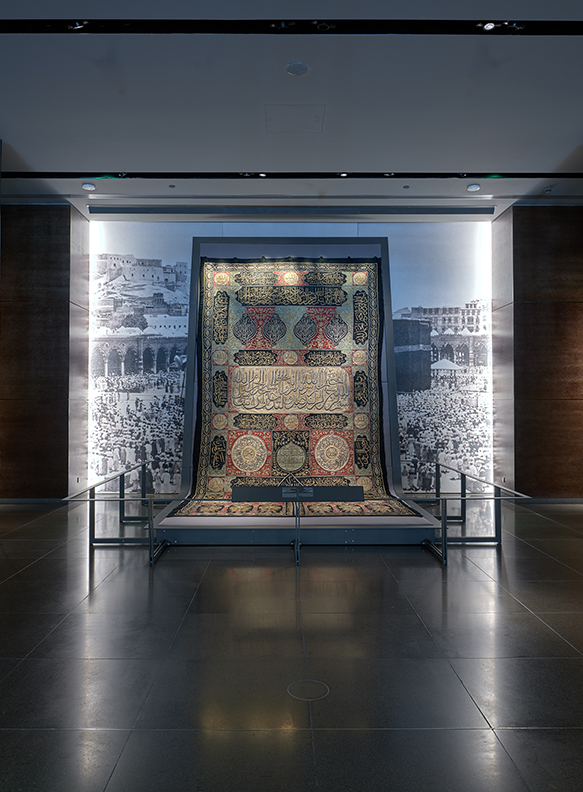
The museum’s collections have been redeployed to make the visitor experience more coherent, more engaging, and more educational.
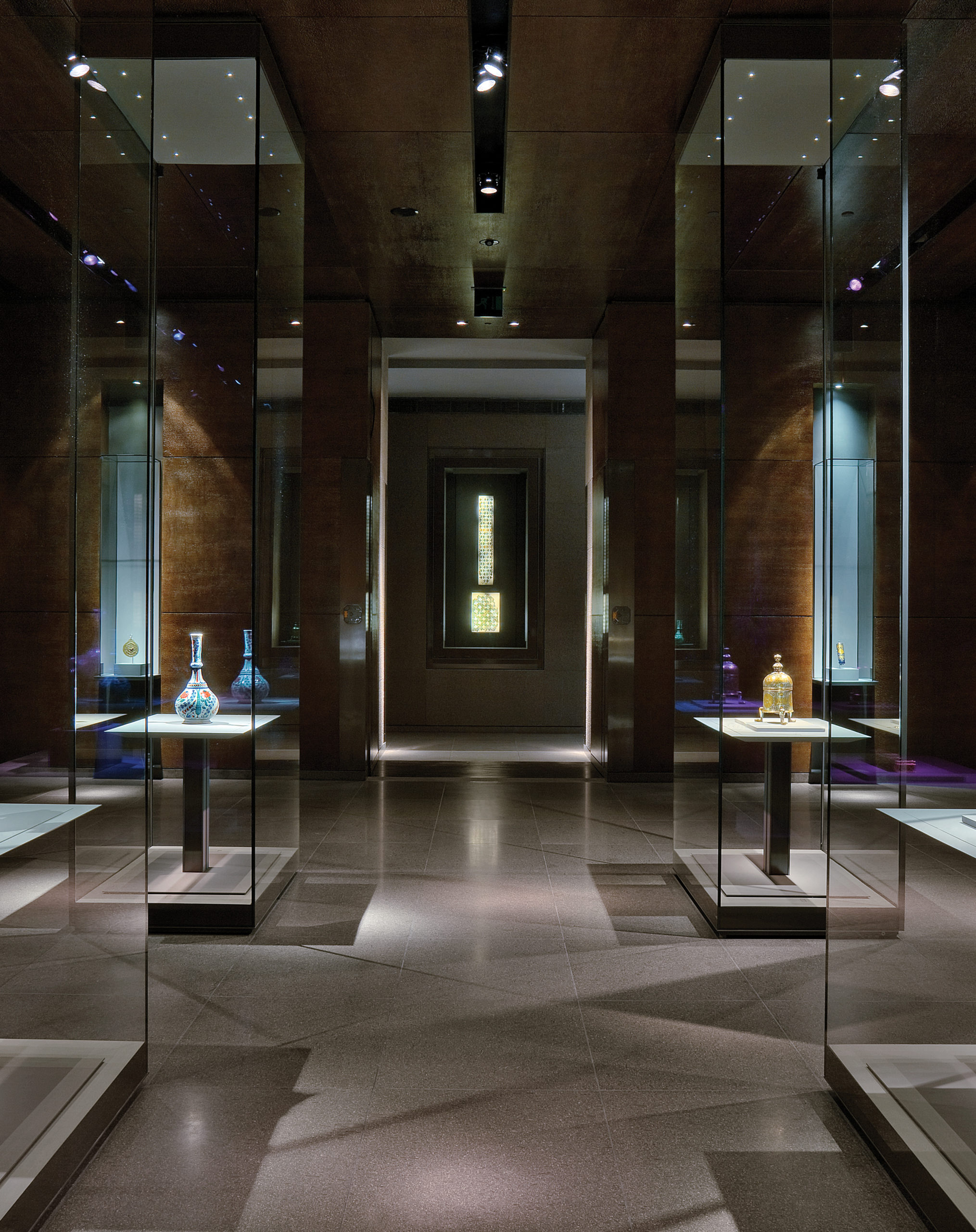
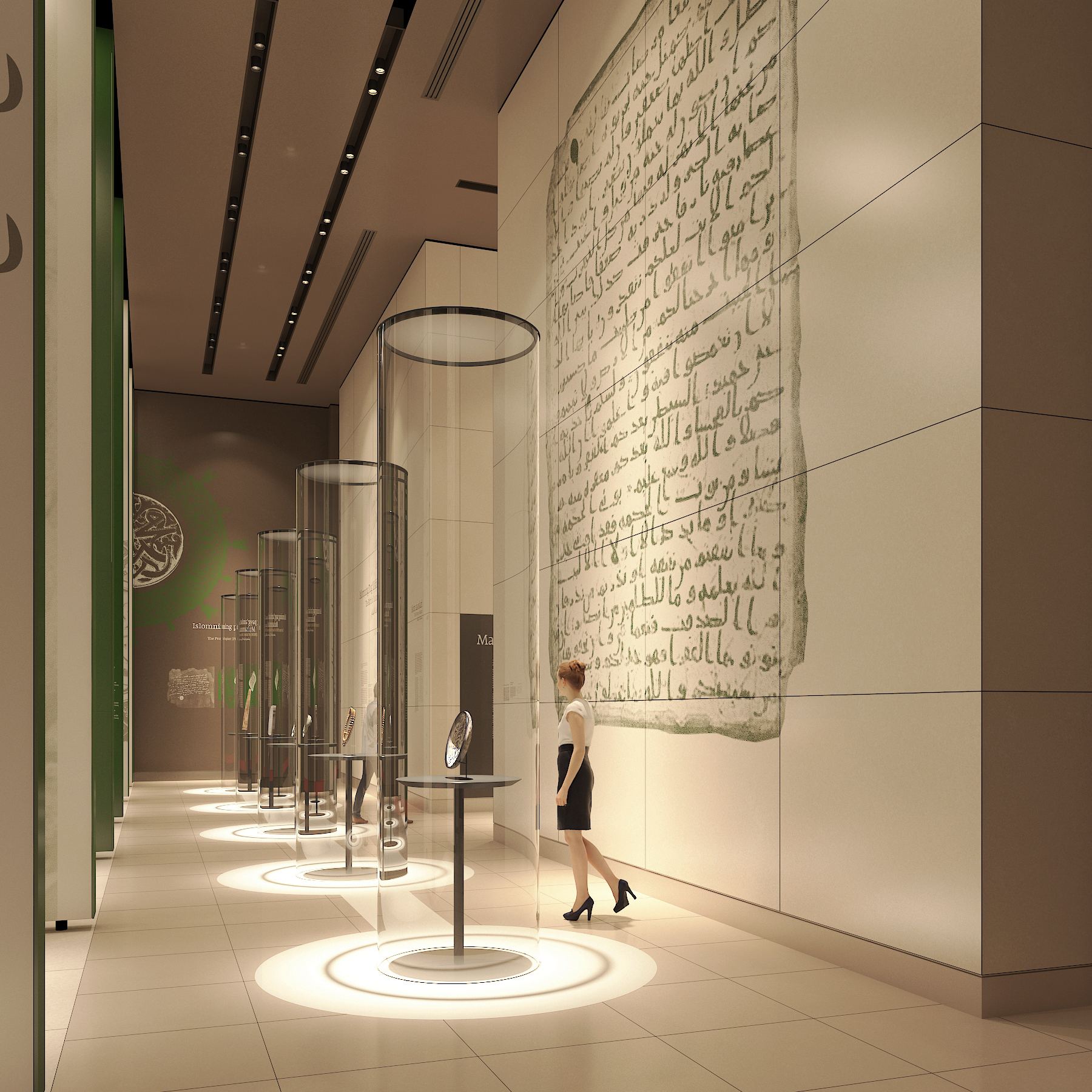
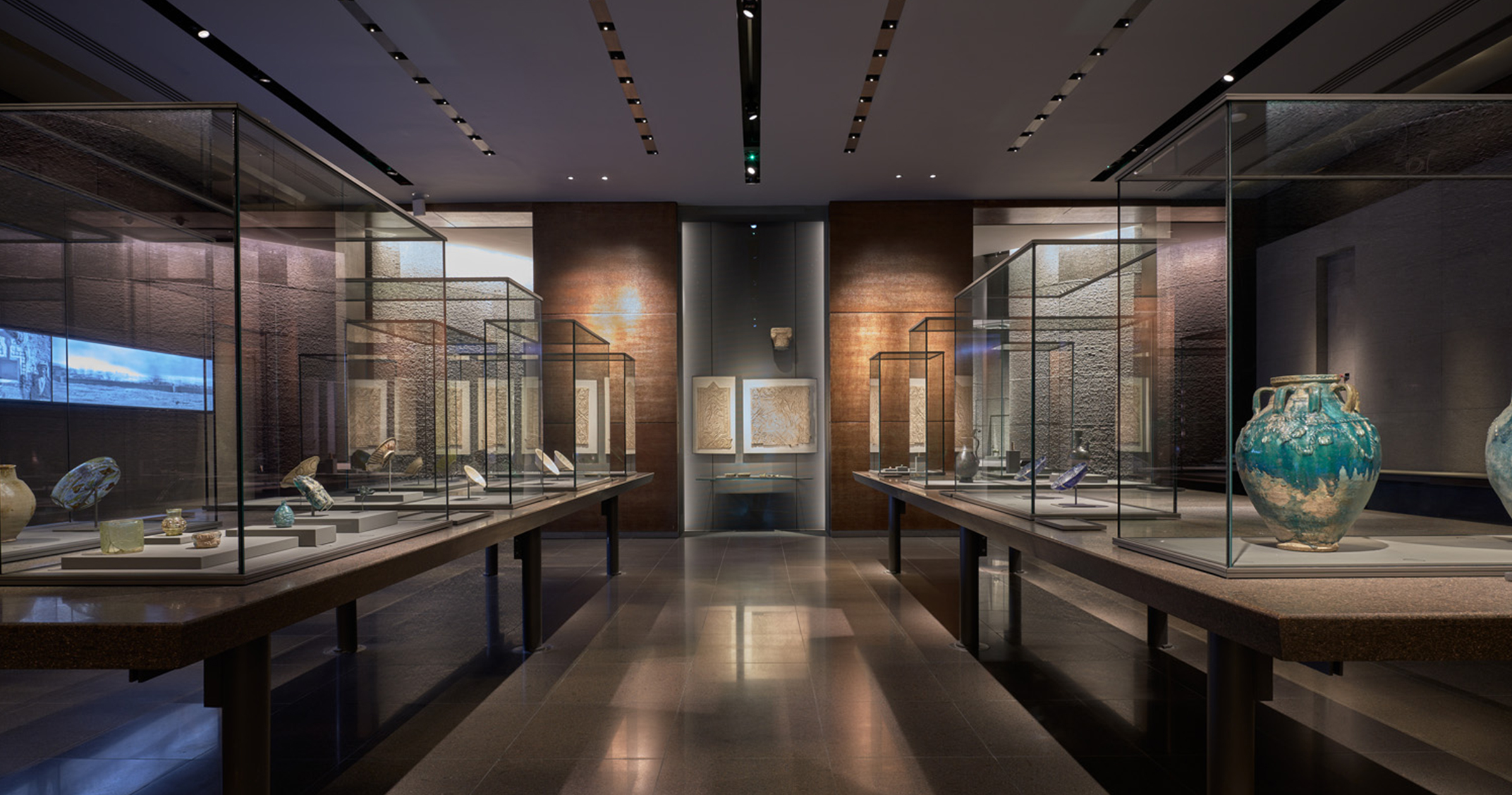
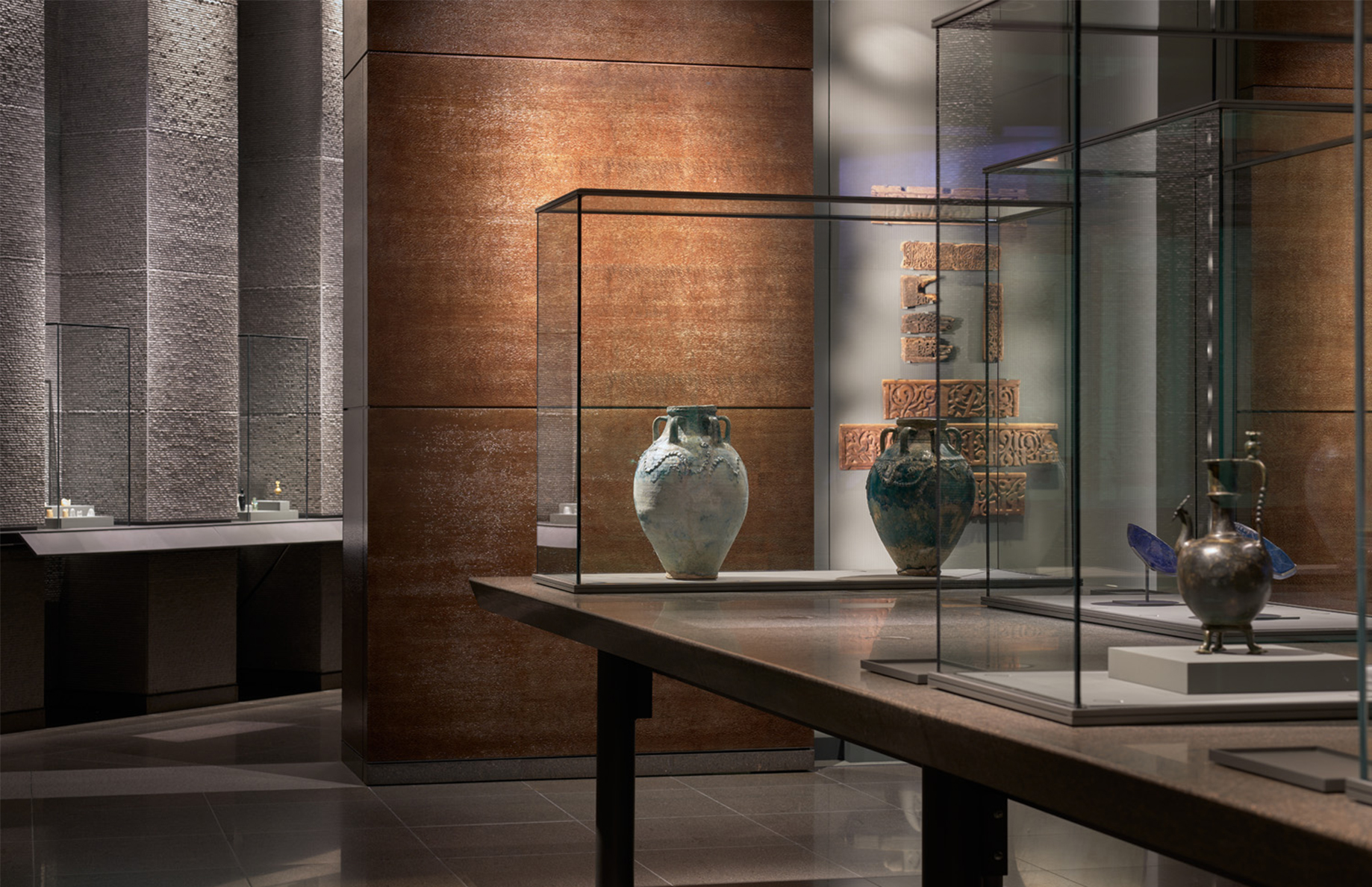
The display concept that had contributed to the success of the first museography was preserved: very few objects per showcase, showcases deliberately oversized in relation to the works, ultra-thin metallic structures made of extra-clear, anti-reflective glass, and lighting managed from the ceiling.
The uncompromising pursuit of transparency and discretion gives visitors the impression of admiring objects floating in space.
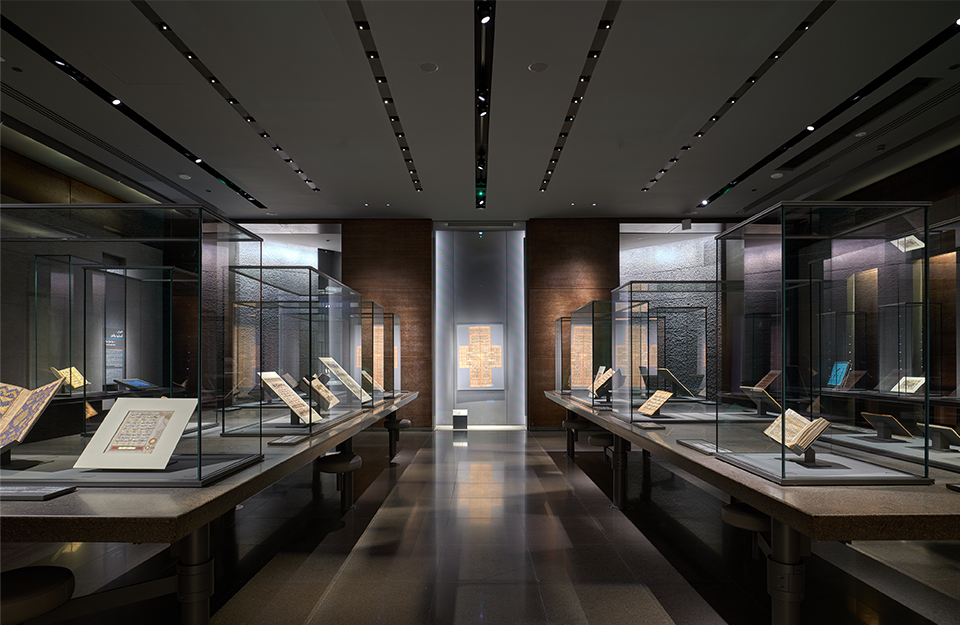
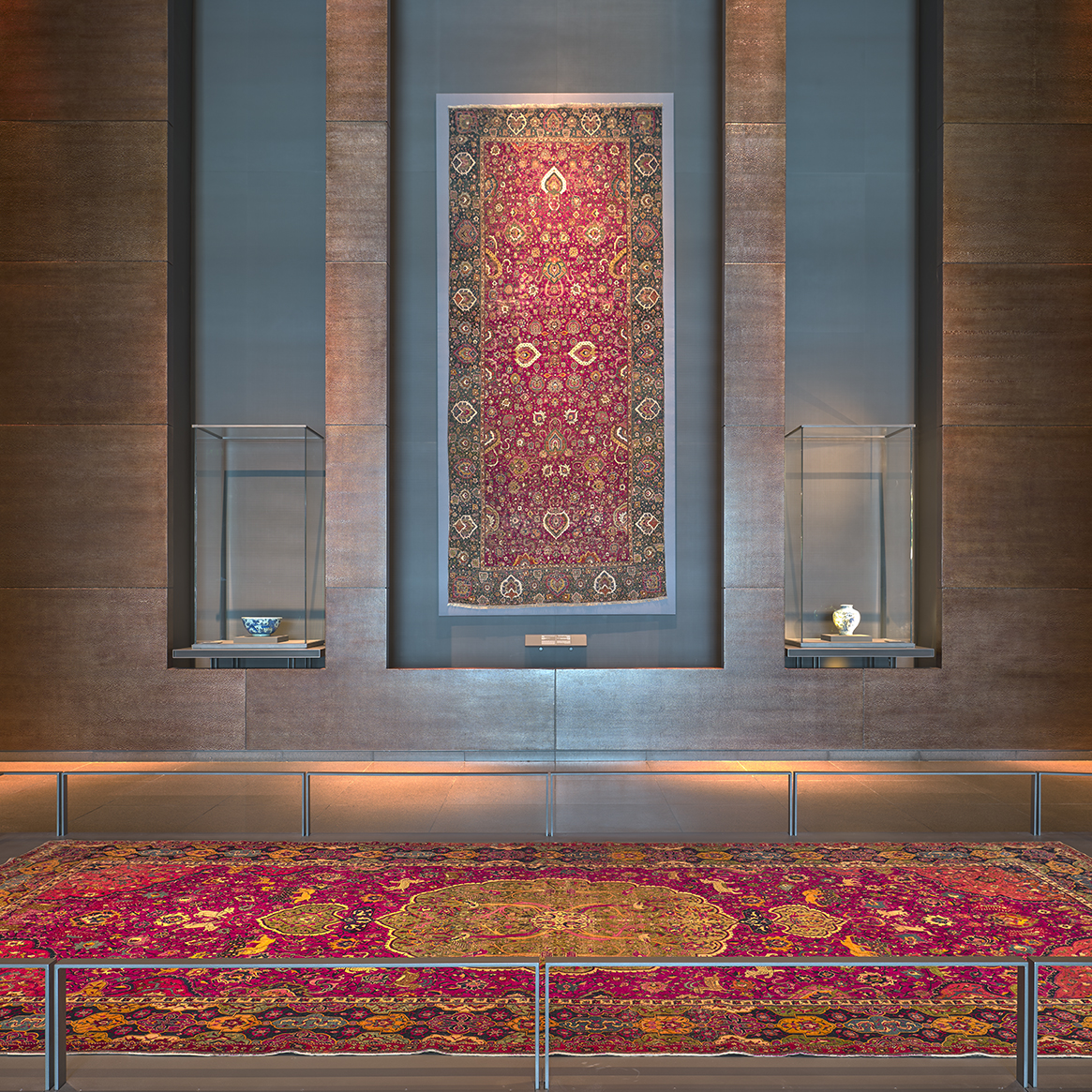
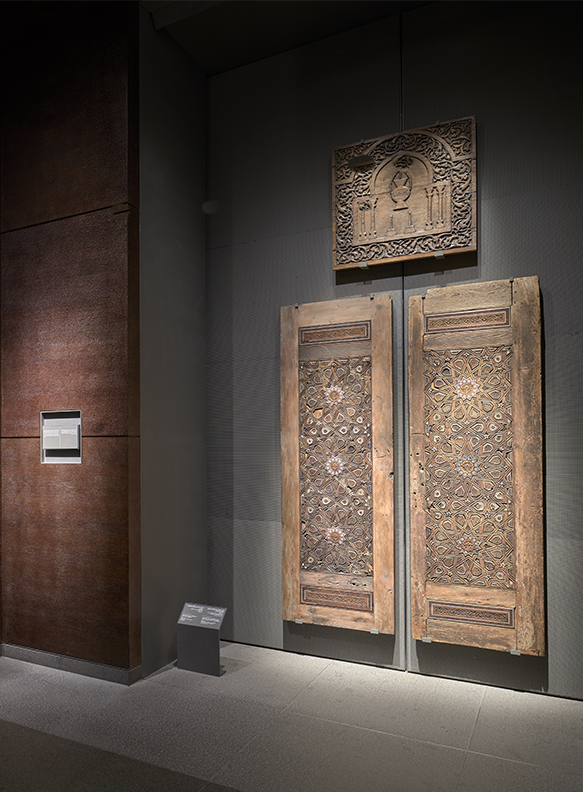
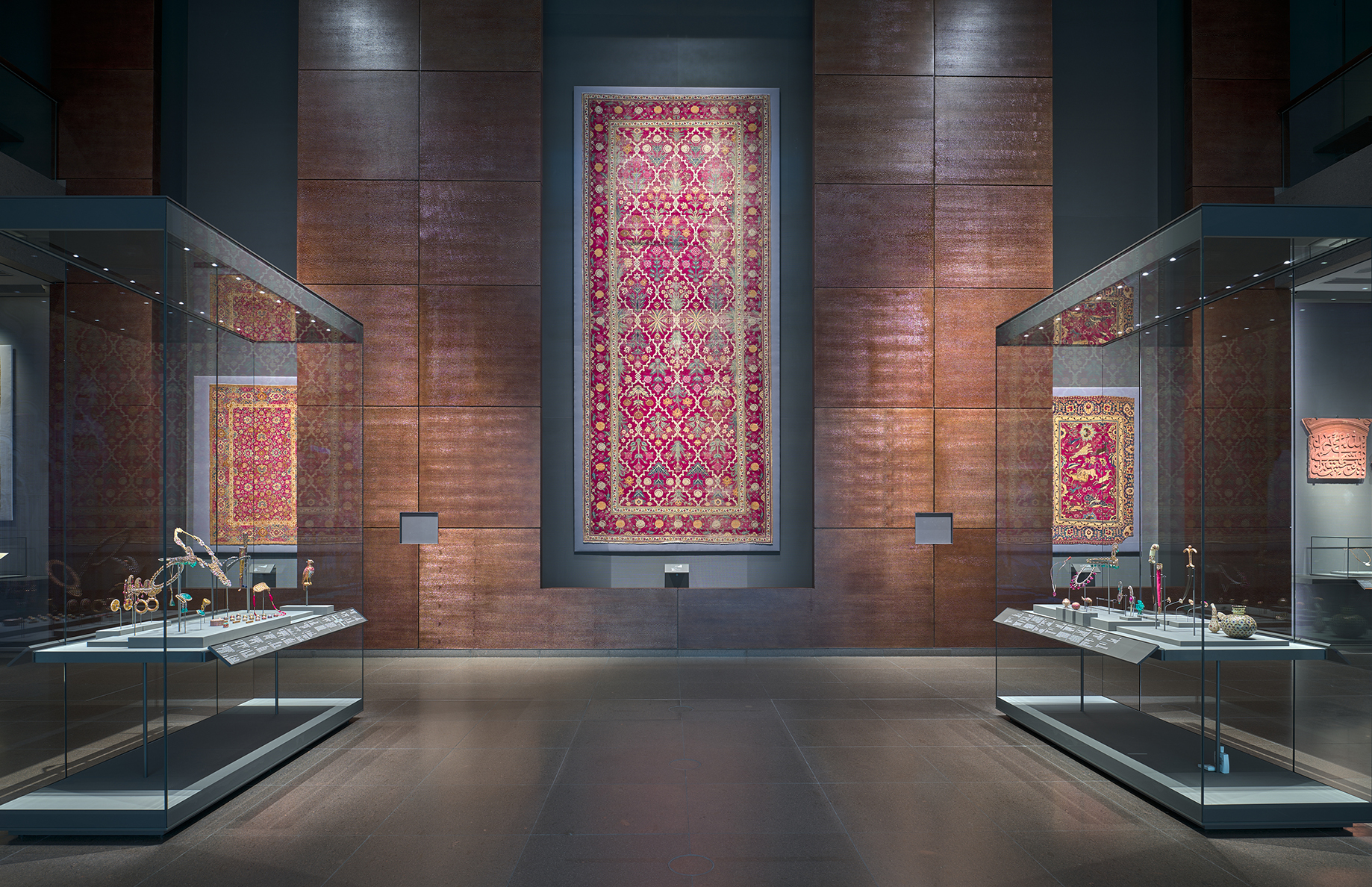
In the windowless exhibition rooms, devoid of natural light, the architect created a theatrical ambiance to enhance the beauty of gold-inlaid steel masks, silk garments from Samarkand, Mughal emeralds, and delicately calligraphed earthenware bowls.
In this vast jewel box made of striated gray porphyry with “split” edges and bronze-finished louro faia wood veneer, light serves to sanctify the objects.
Allowing for maximum flexibility, large gray porphyry tables hold showcases of different sizes but identical height, creating a sense of unity across the space.
The lighting system was completely redesigned to reduce energy consumption, minimize heat in the galleries, and provide a more consistent and sustainable quality of light.