INSEAD Campus – Desmarais Tower
Fontainebleau, France
INSEAD
Delegated Project Management : SETEC ORGANISATION
Architect: WILMOTTE & ASSOCIÉS ARCHITECTES
Construction Project Management (MOEX) / Scheduling, Coordination & Supervision (OPC) / Lead Consultant: CICAD
Cost Consultant / Specification Writer: ALLIANCE-ECONOMIE
Structural Engineering / Demolition & Decontamination Engineering: ARTELIA
Façade Engineering: RFR
Building Services Engineering (MEP) / Thermal Engineering / Environmental Engineering / Fire Safety Systems (SSI): ALTO
Acoustics Consultant: LASA
Landscape Architects: AGENCE TER and Michel DESVIGNE
Roads & Utilities Engineering (VRD): INGEROP
Fire Safety Consultant: GE-CO and STUDIO FAHRENHEIT
Independent Inspection Body / Health & Safety Coordinator (SPS): SOCOTEC
Building Contractor: LEON GROSSE
External Works Contractor: ENVERT
Geothermal Engineering (Project Management): CELSIUS
3,553 sqm
2026
Restructuring and renovation of the Desmarais Tower building within the INSEAD campus
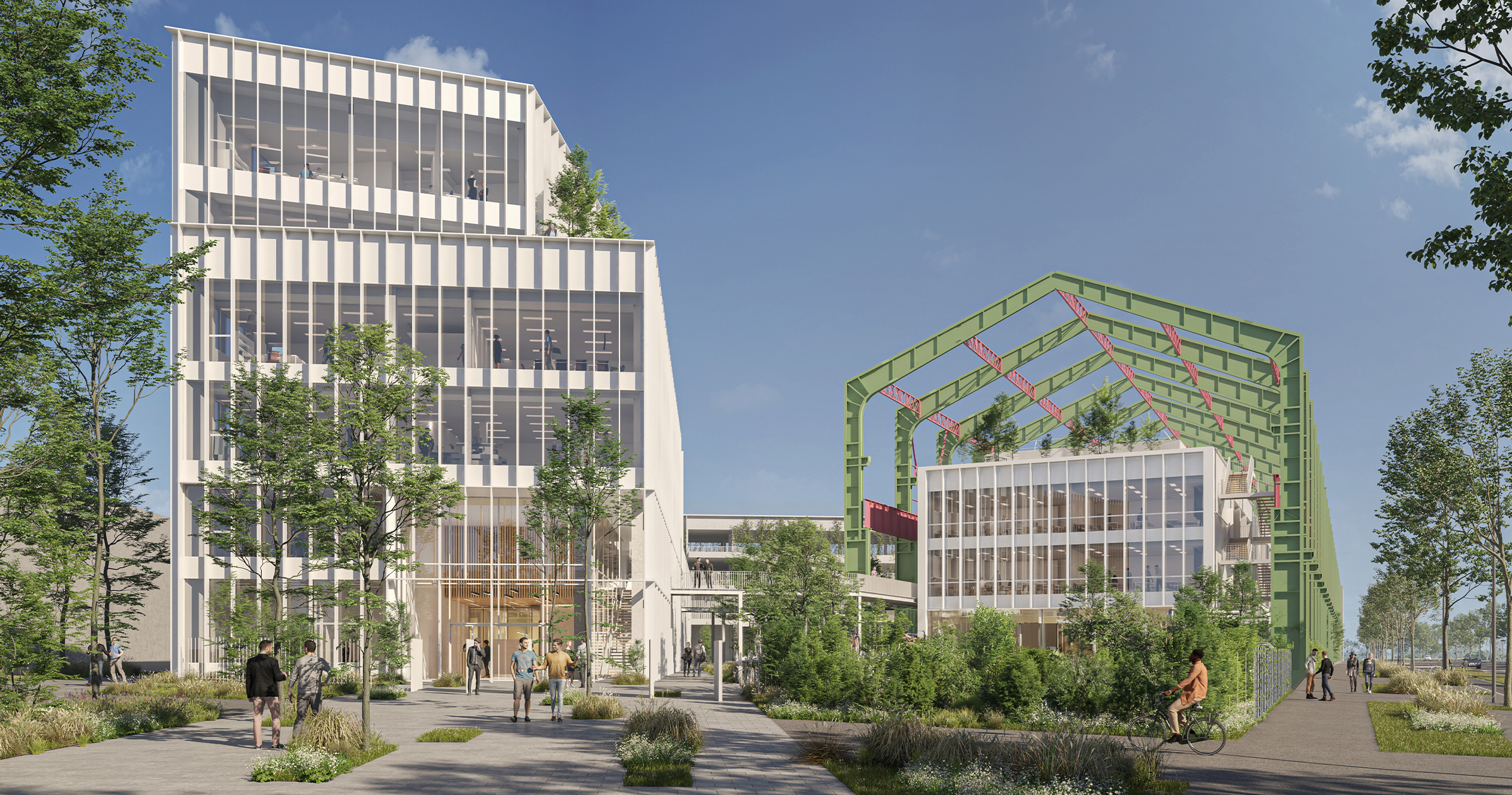
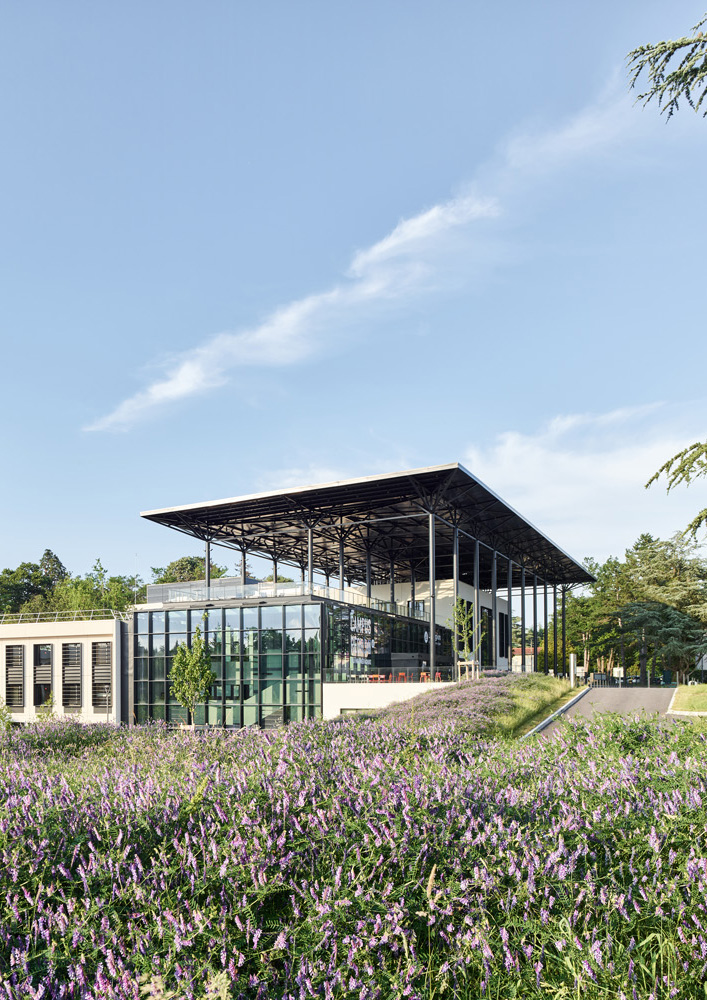
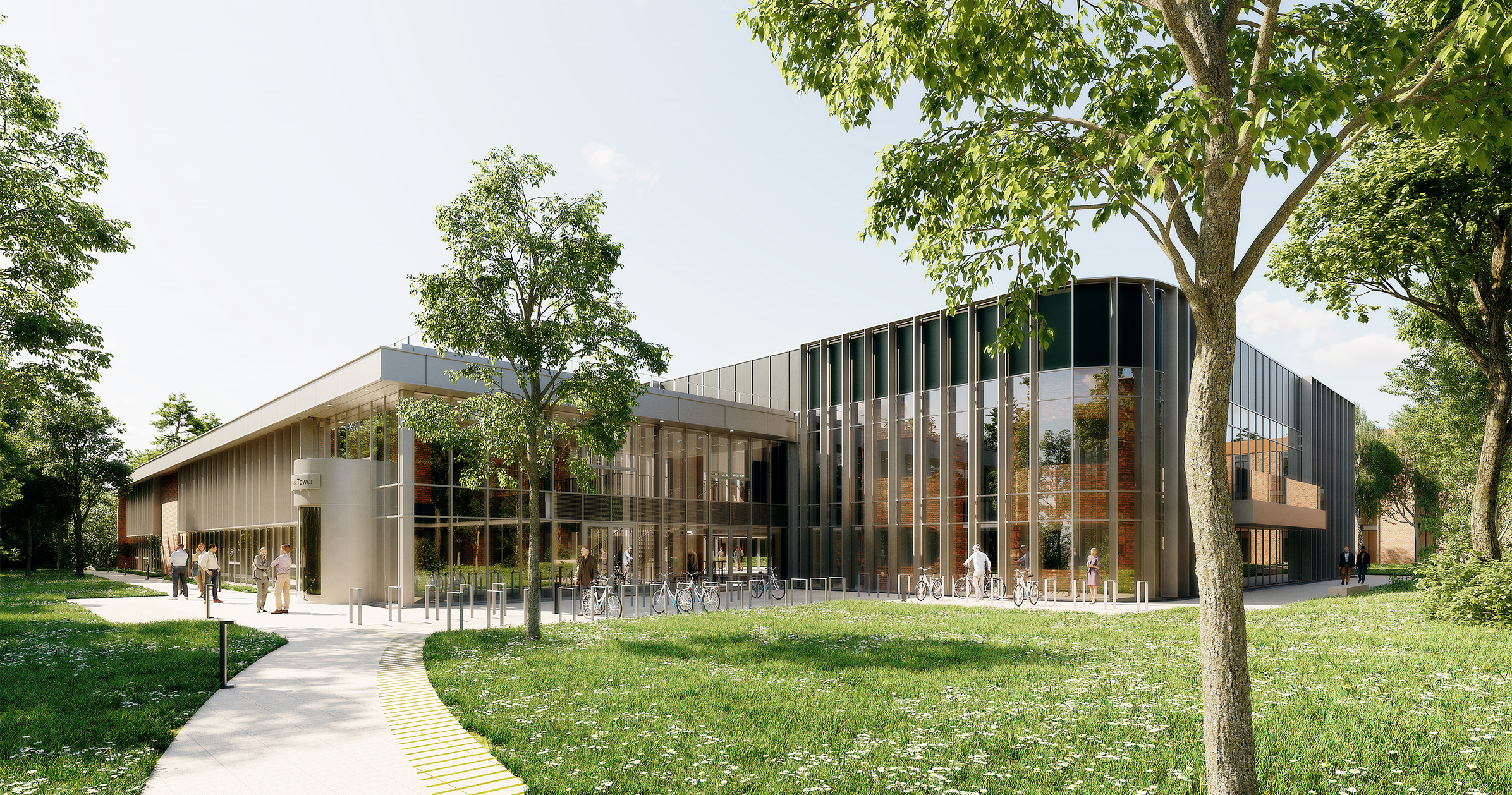
Founded in 1957 in Fontainebleau, INSEAD – the European Institute of Business Administration and the “Business School for the World” – has expanded from its historic campus to Singapore, Abu Dhabi and San Francisco. Wilmotte & Associés was commissioned to renovate five buildings on the Fontainebleau campus, a complex originally designed in the early 1970s by architect Bernard de la Tour d’Auvergne, including the iconic Desmarais Tower. The project preserves the sober geometry and strong verticality of the existing buildings while introducing a contemporary architectural language suited to current and future uses.
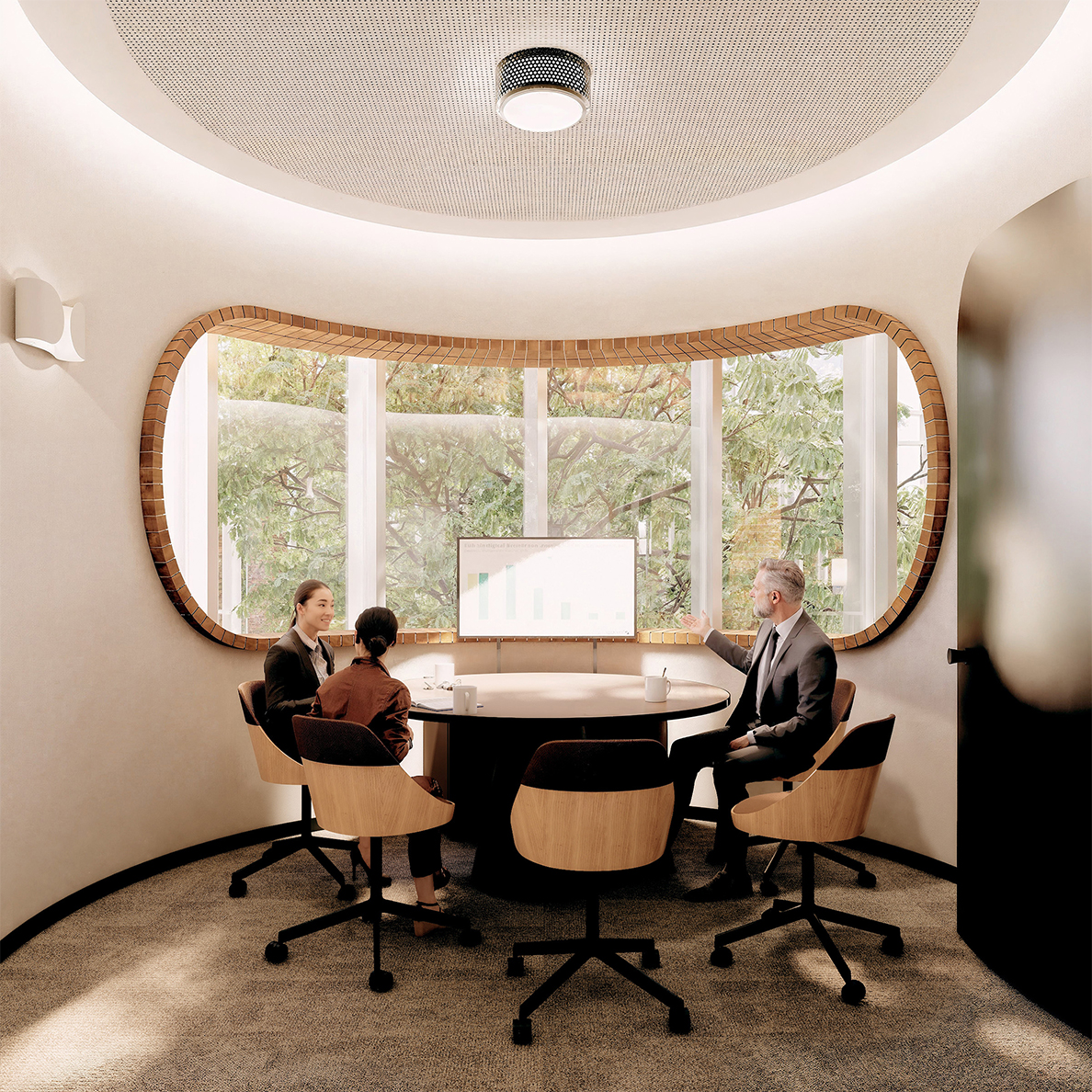
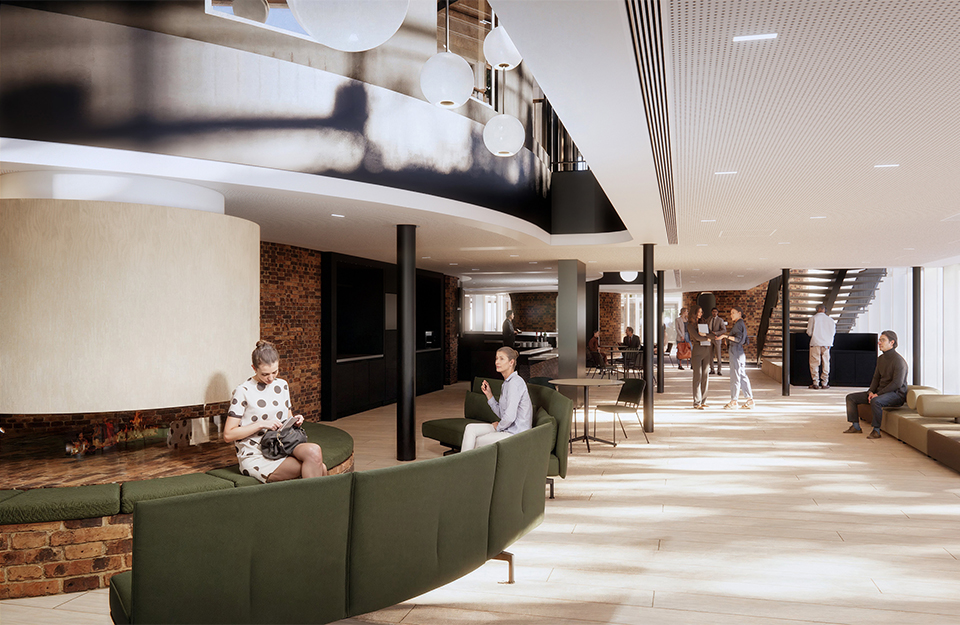
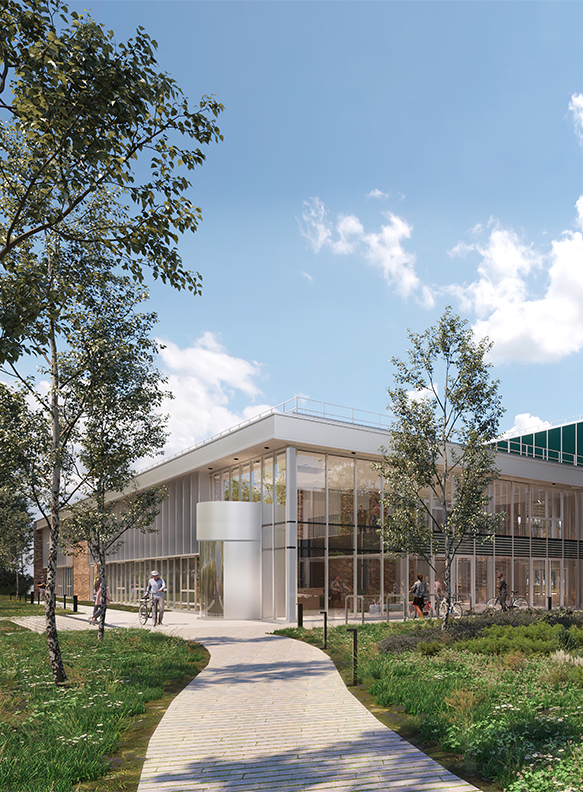
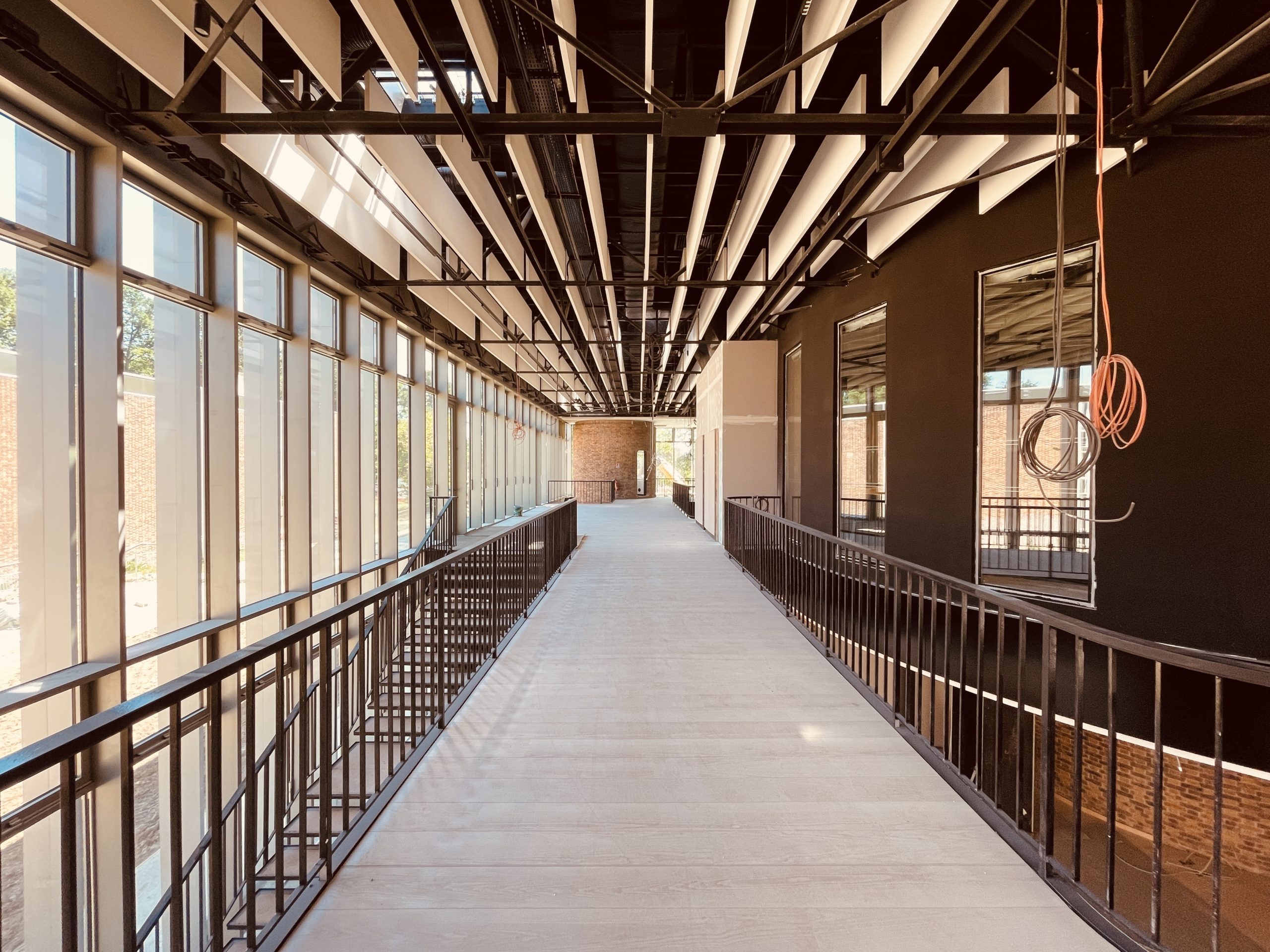
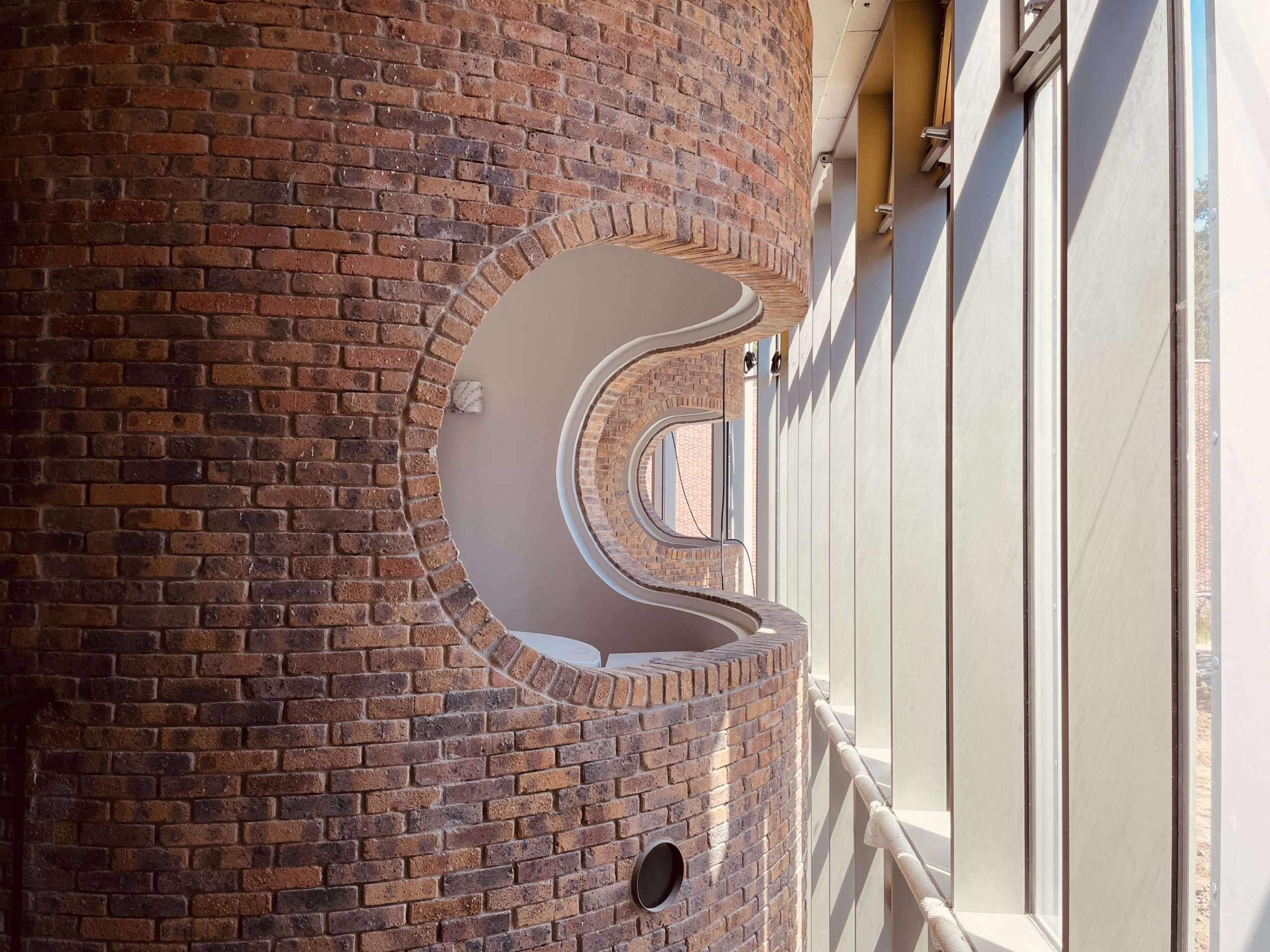
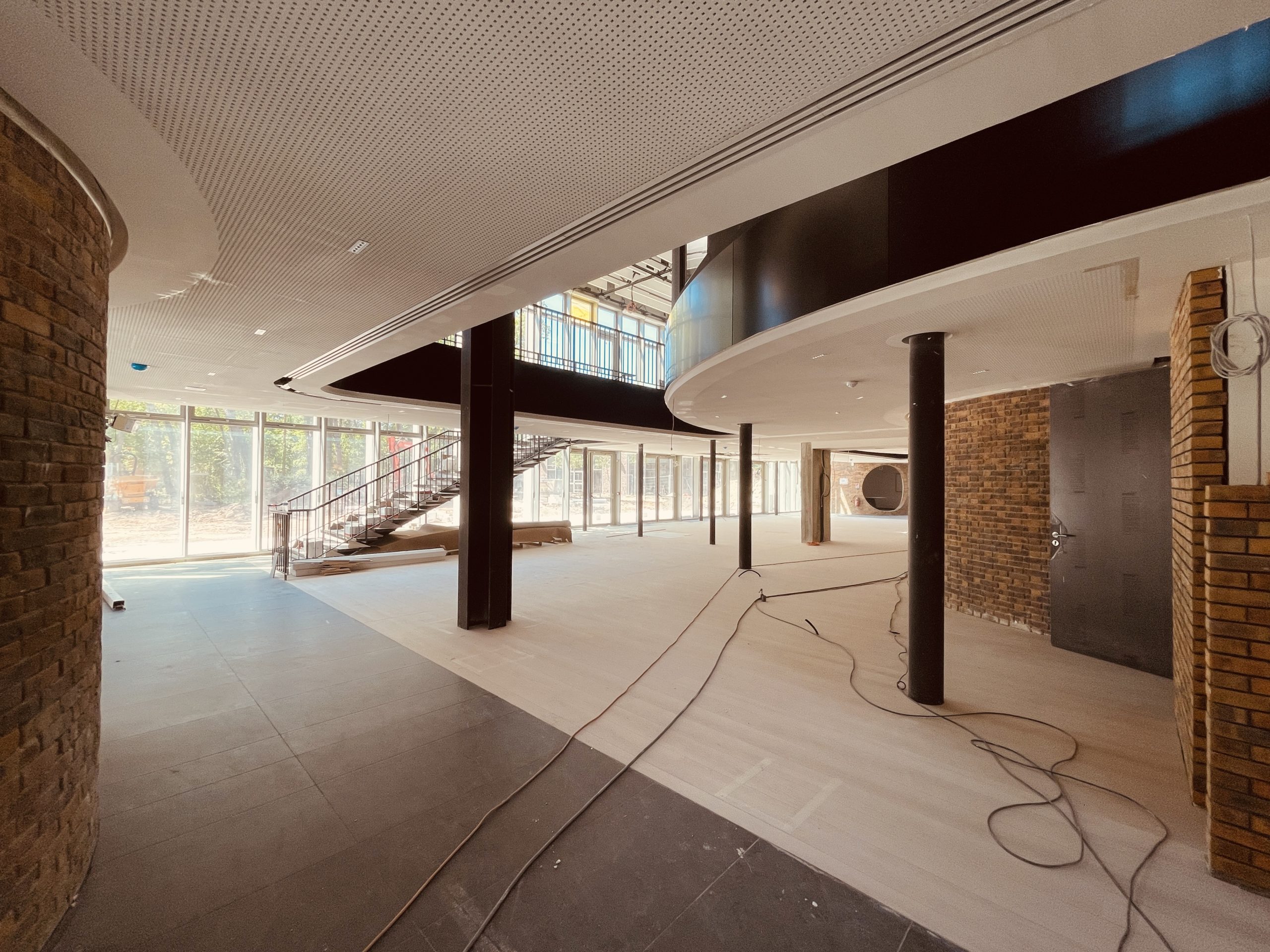
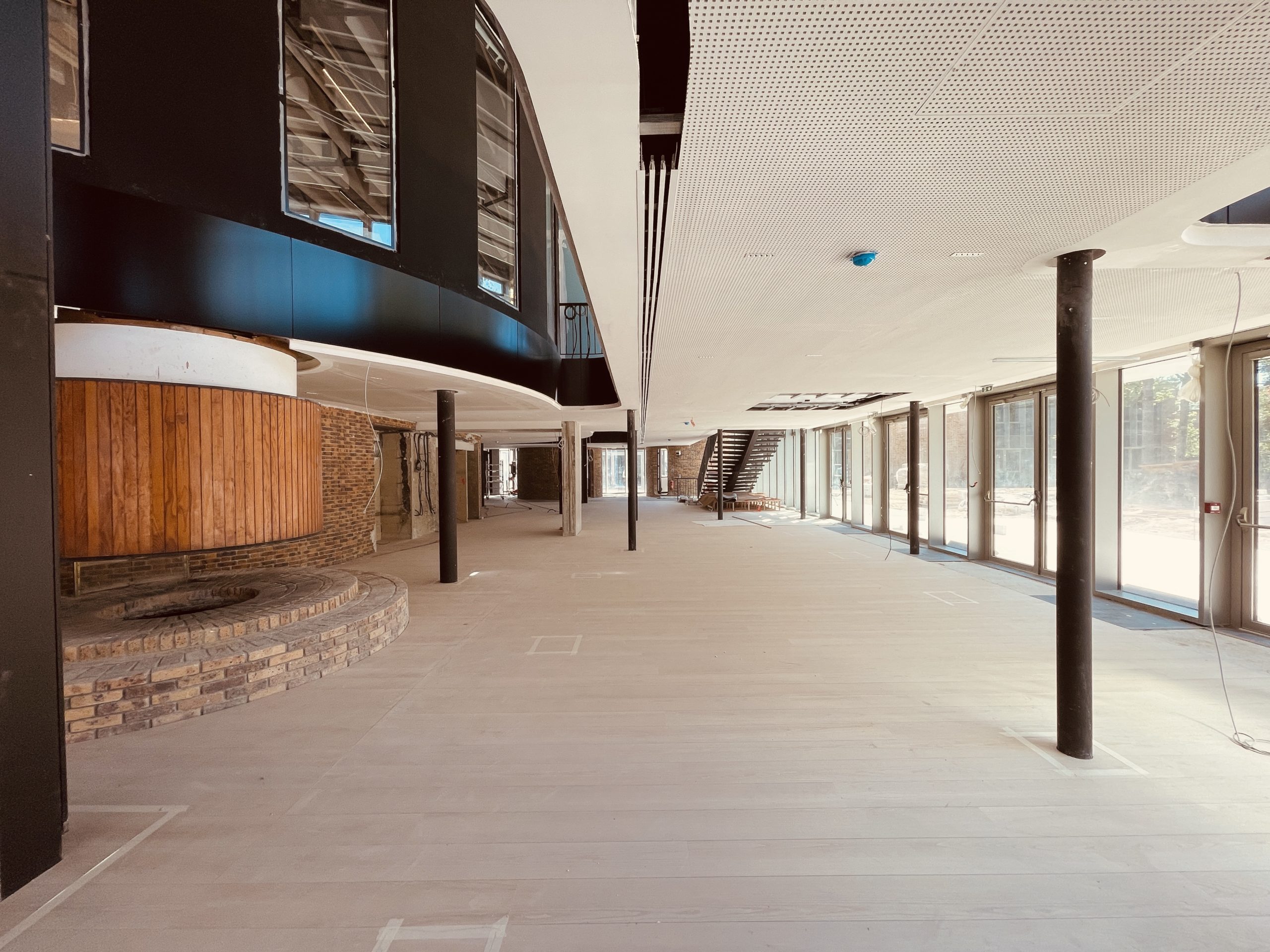
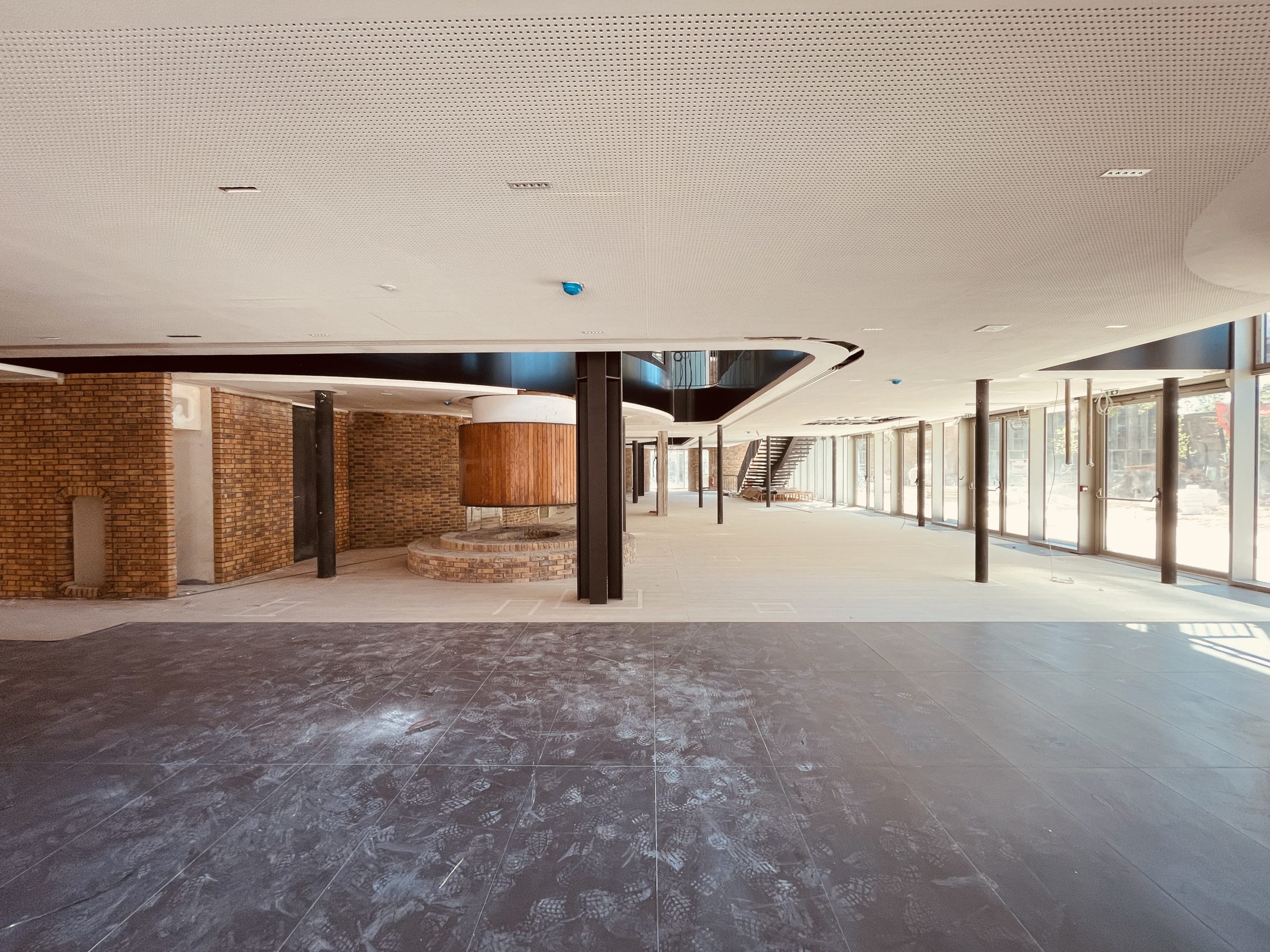
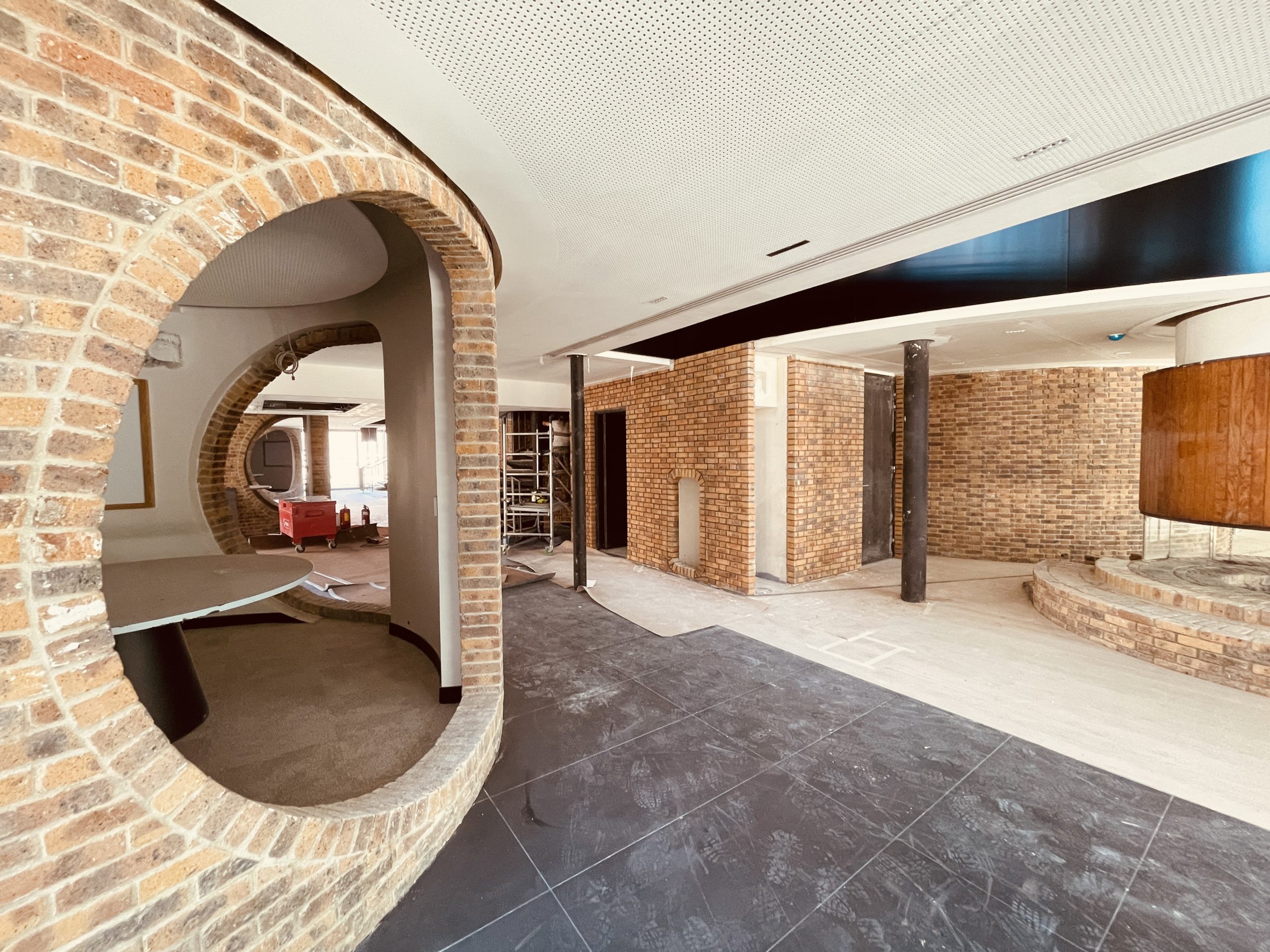
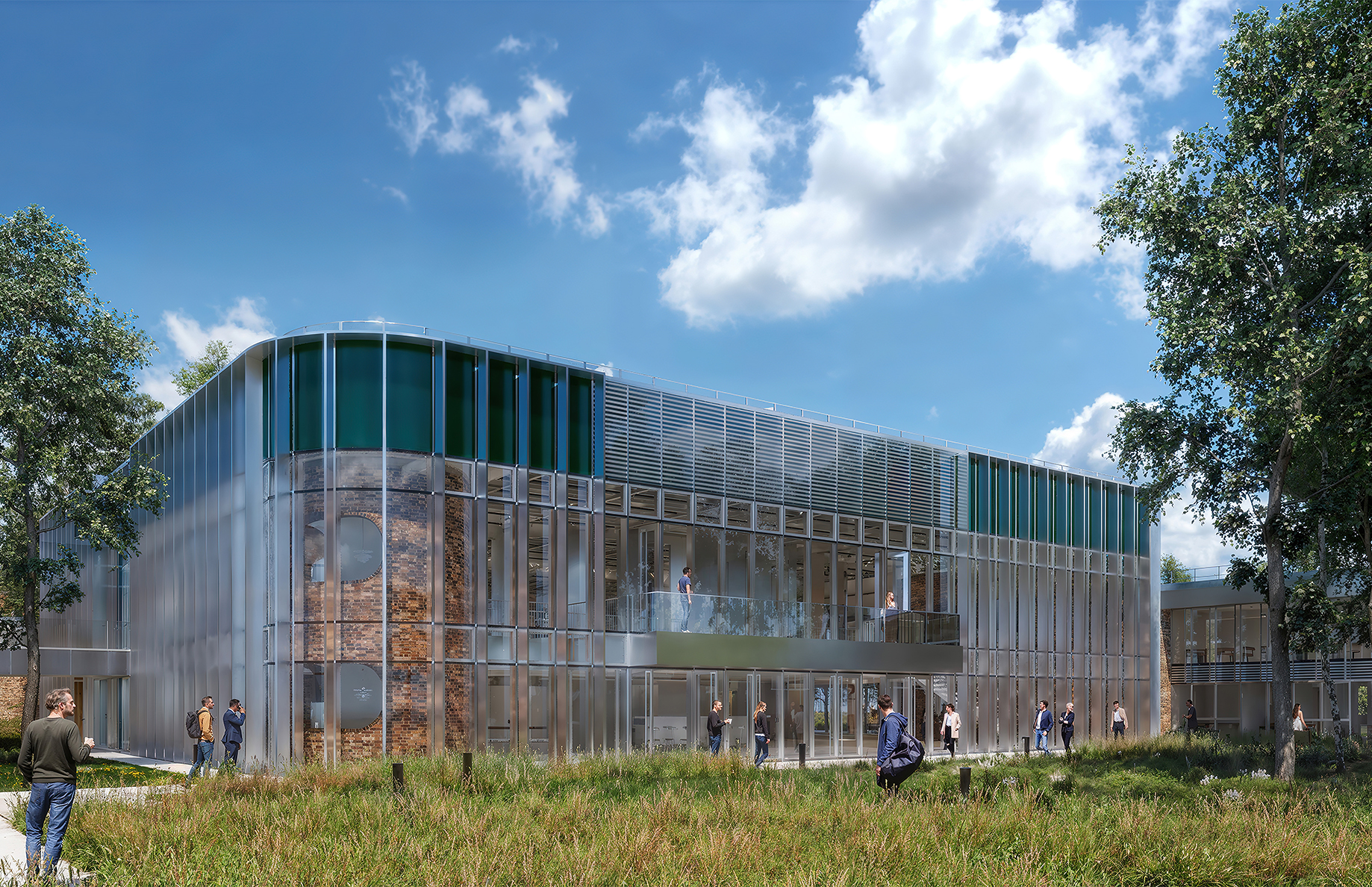
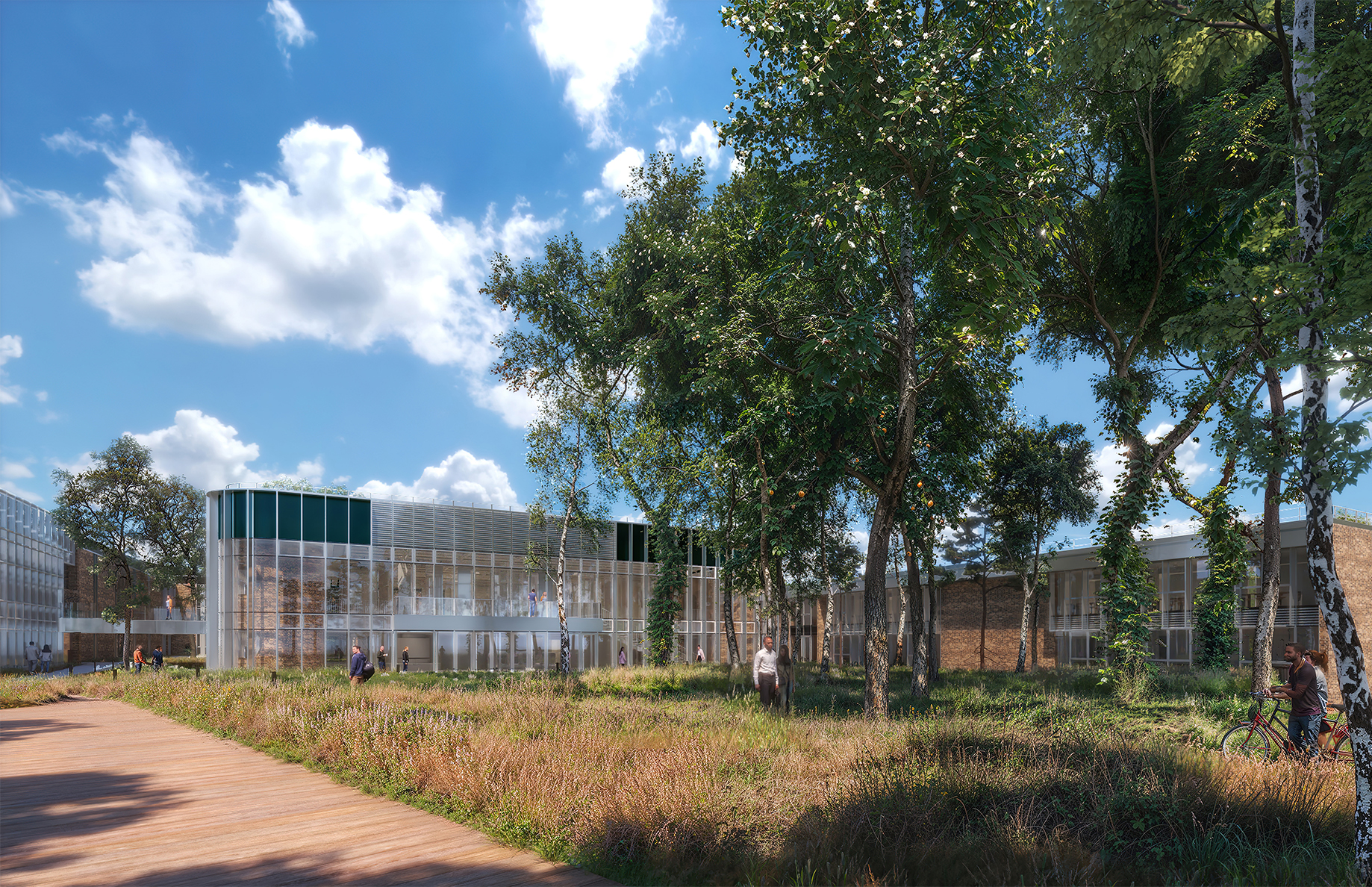
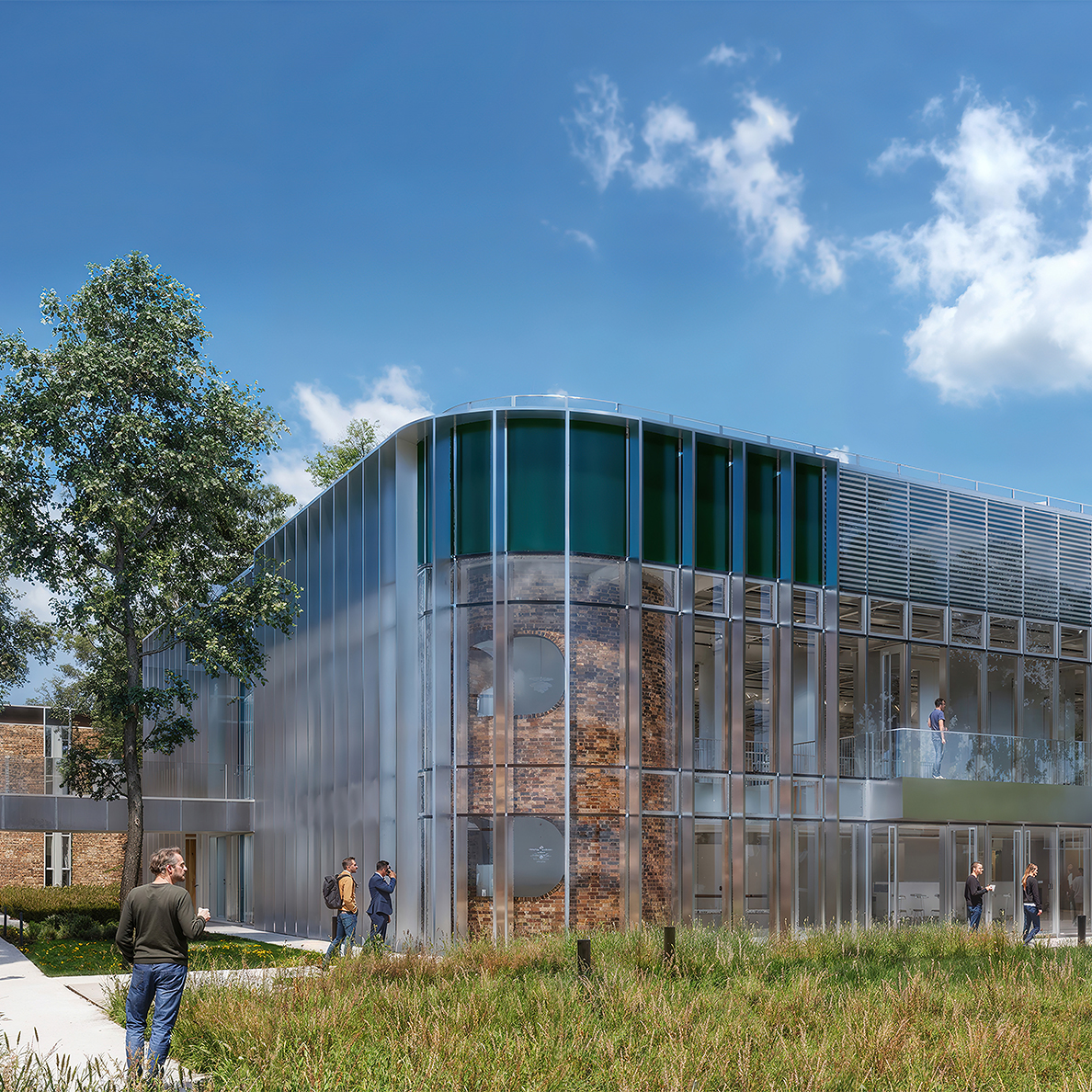
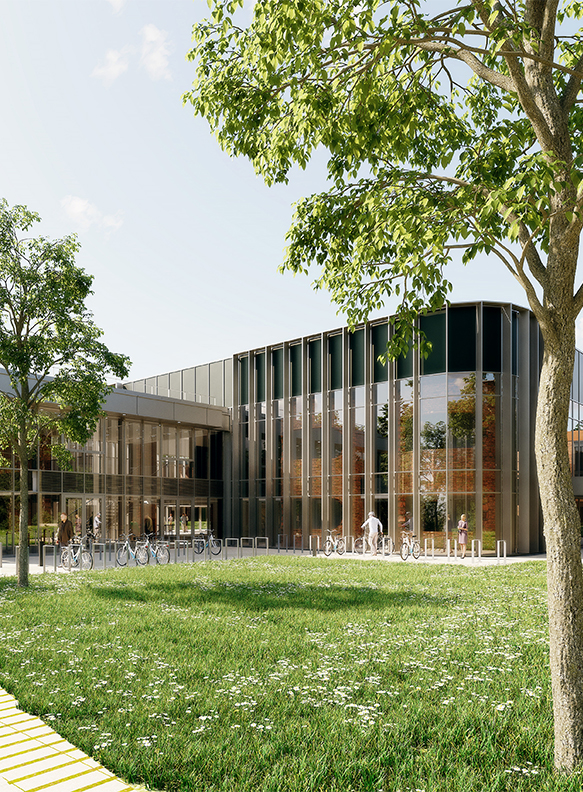
The original volumes are retained and the steel structure is revealed, creating a dialogue between free-form geometries, architectural rigor and contemporary materials. On the façades, the transparency of glass contrasts with the Vaugirard brick, a defining material of the campus that extends seamlessly from exterior to interior.
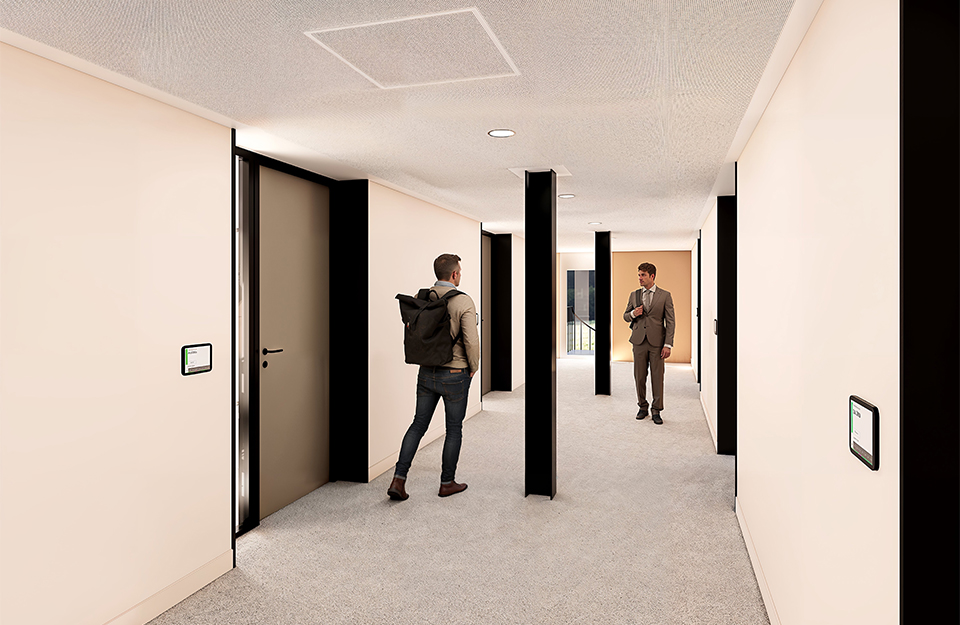
The building is organized around two wings connected by the main entrance hall. The Garden Wing, a linear three-storey volume, accommodates student Breakout Rooms (BORs) arranged along a central circulation spine. The basement houses technical facilities, staff areas and student amenities, including lockers and informal gathering spaces.
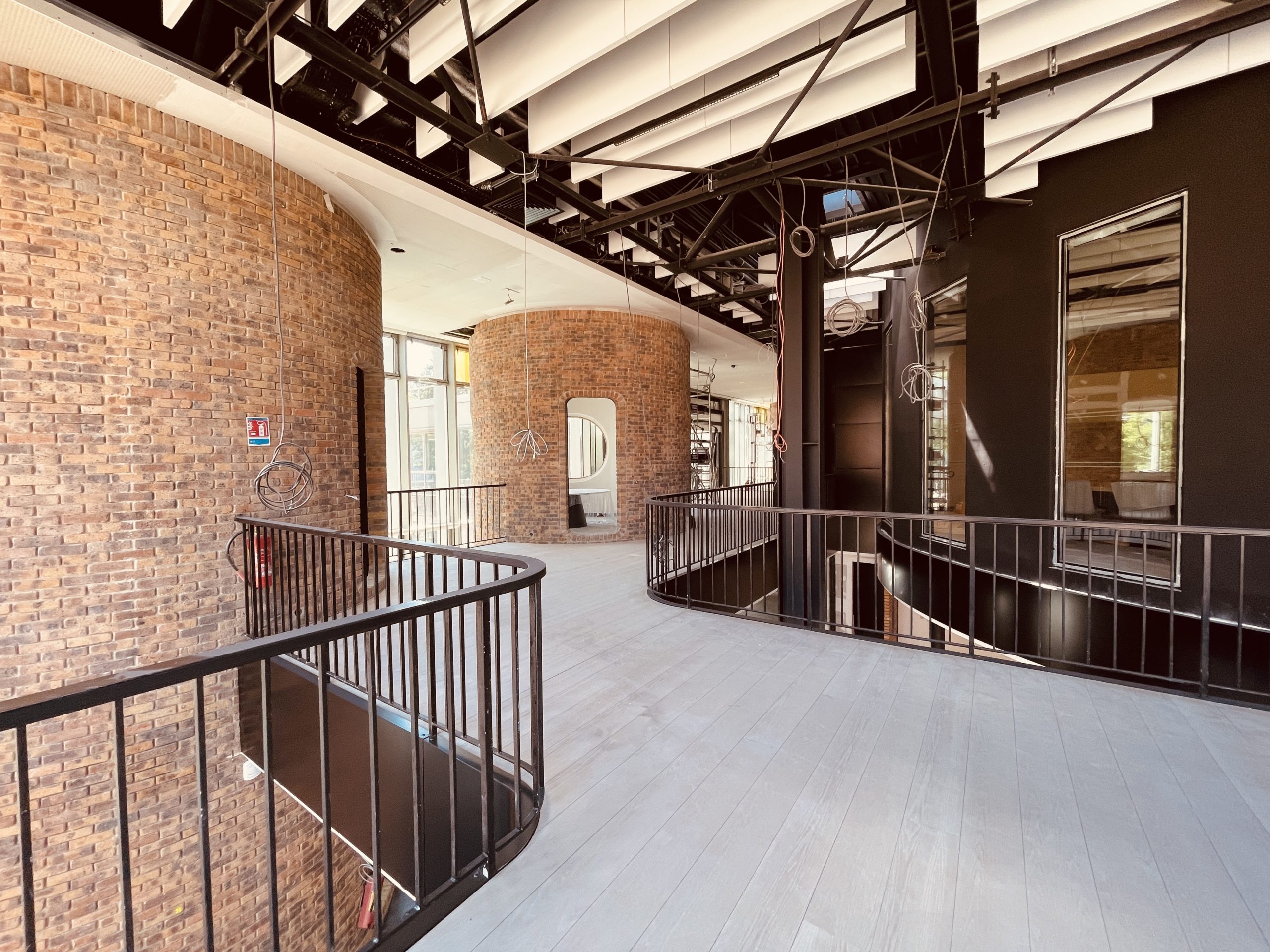
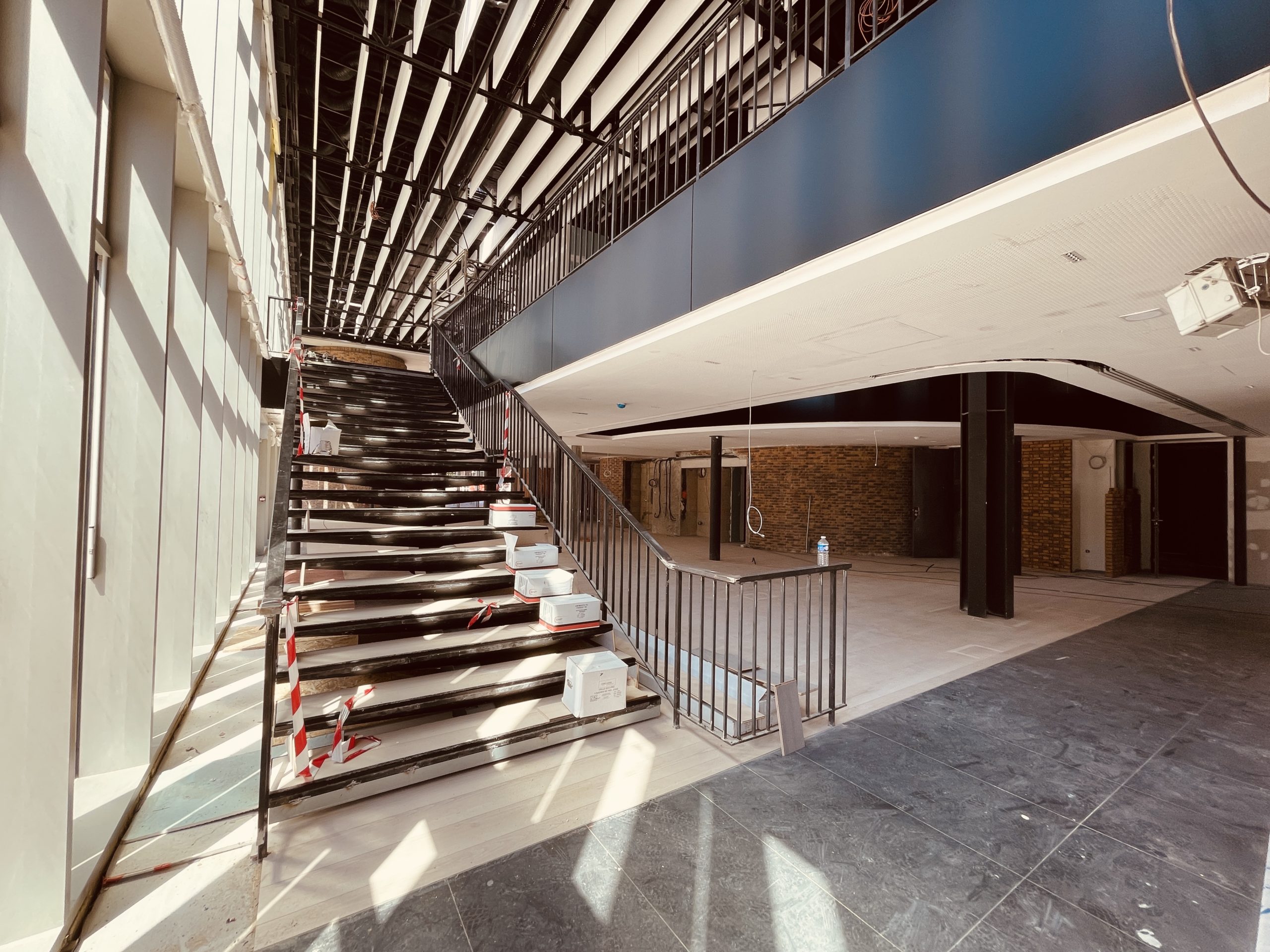
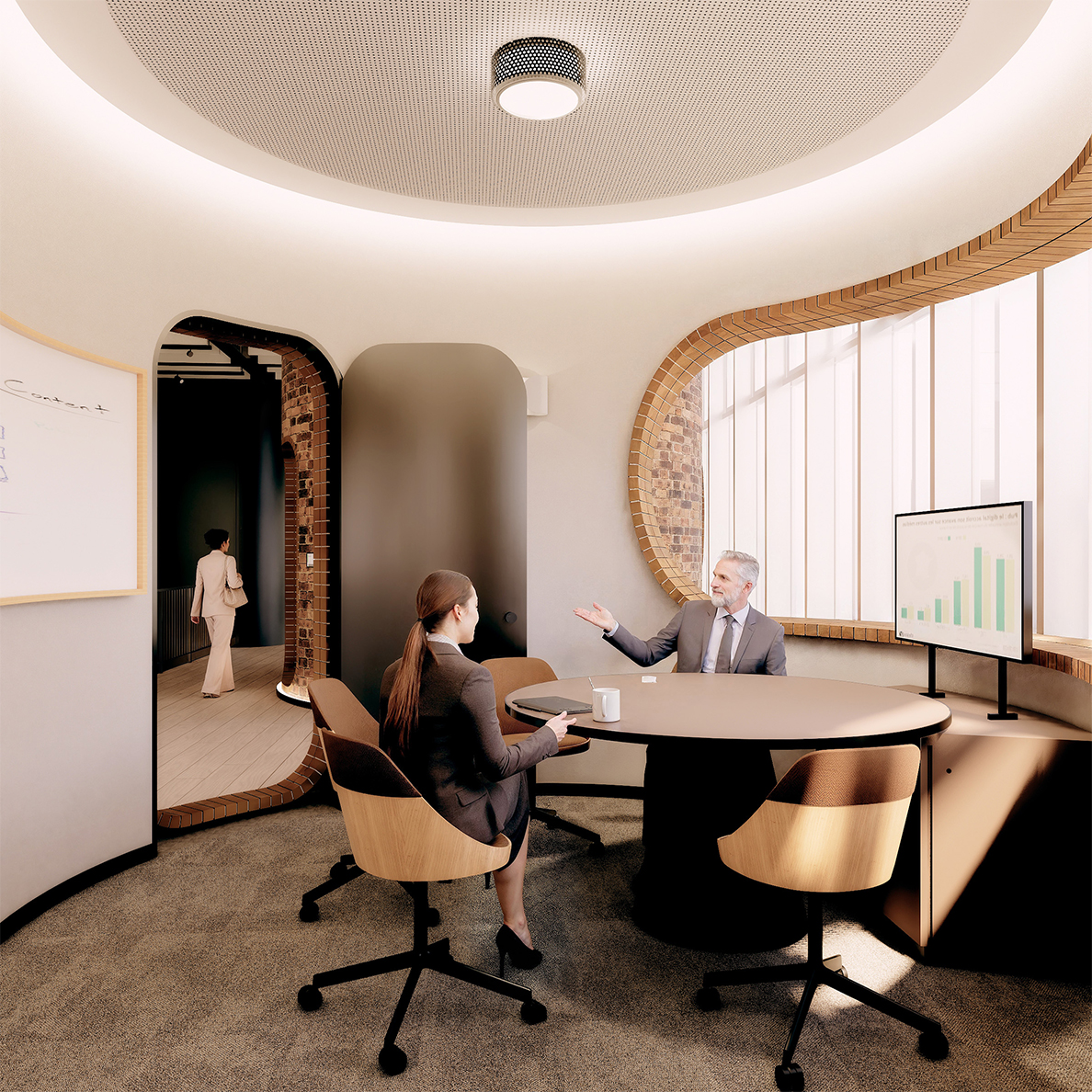
Extending directly from the hall, the Desmarais Tower remains the most distinctive and emblematic element of the 1970s ensemble. A new open staircase and lift, aligned with the main entrance, improve circulation and ensure universal accessibility. The tower is structured around a vertically open central core. Eight full-height cylindrical brick volumes provide more intimate workspaces while organizing collective areas and framing views towards the landscape.
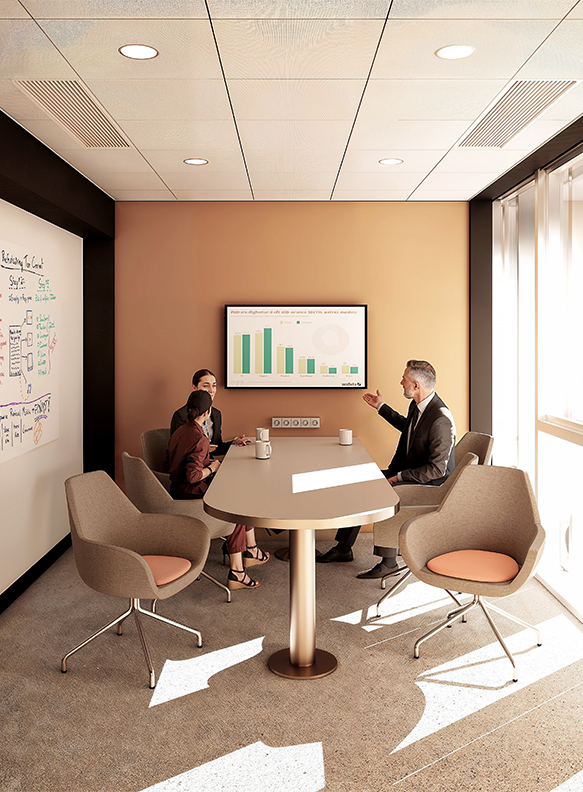
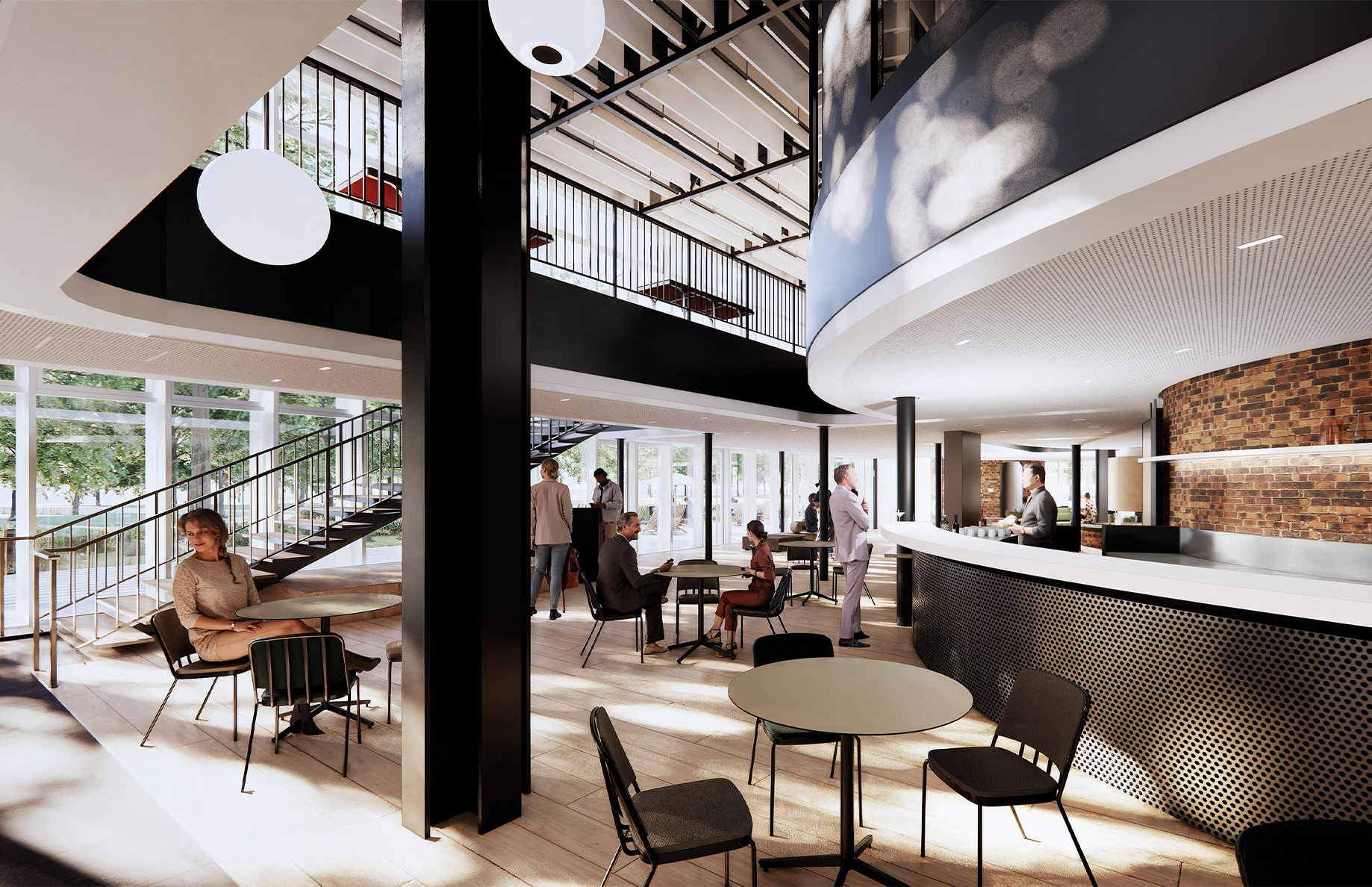
At ground level, the main social hub of the campus encourages interaction through a range of amenities, including a café, connected beverage stations and informal seating areas. A former fireplace lounge, preserved and reinterpreted, introduces a warm and domestic atmosphere within the building.
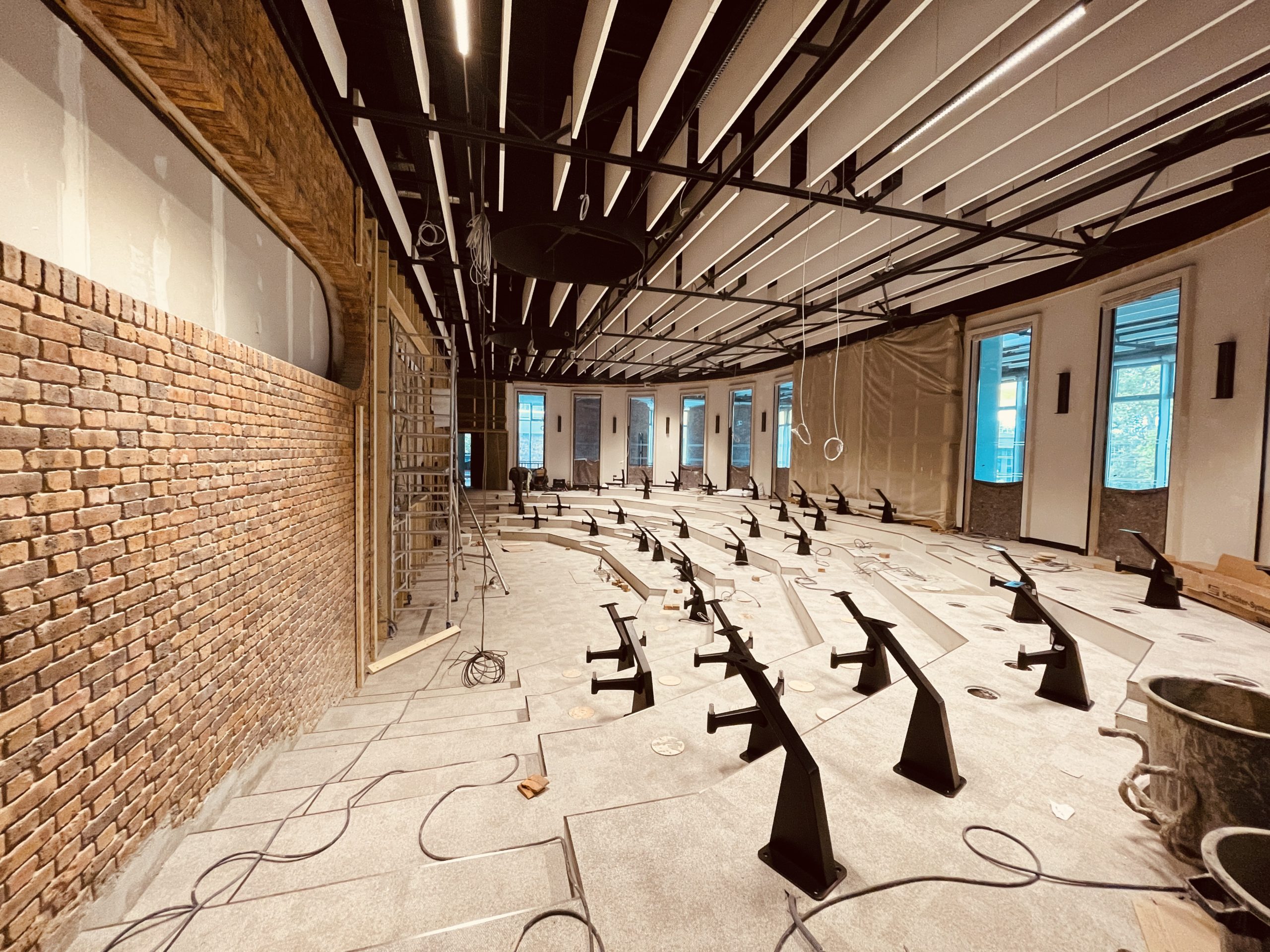
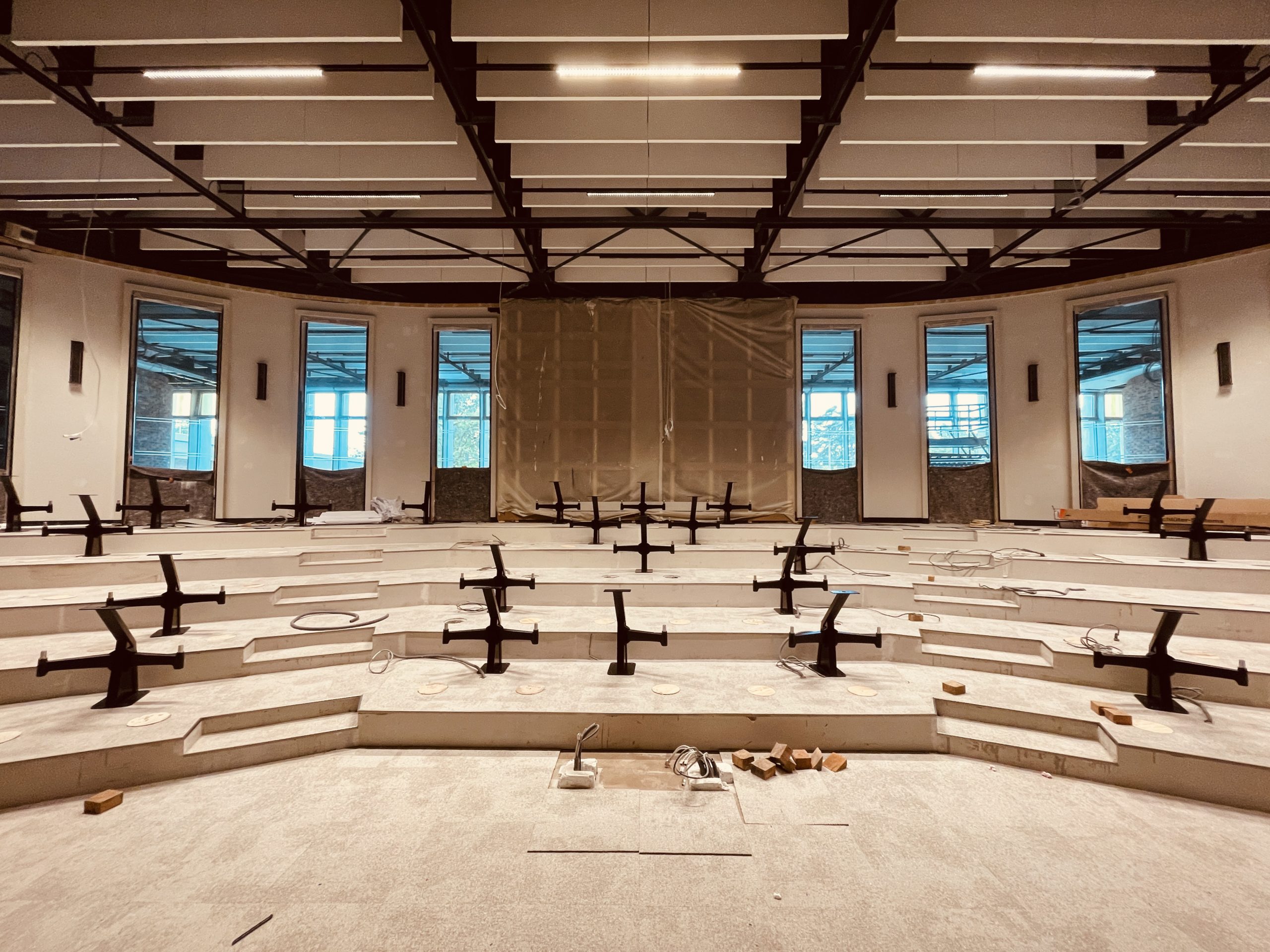
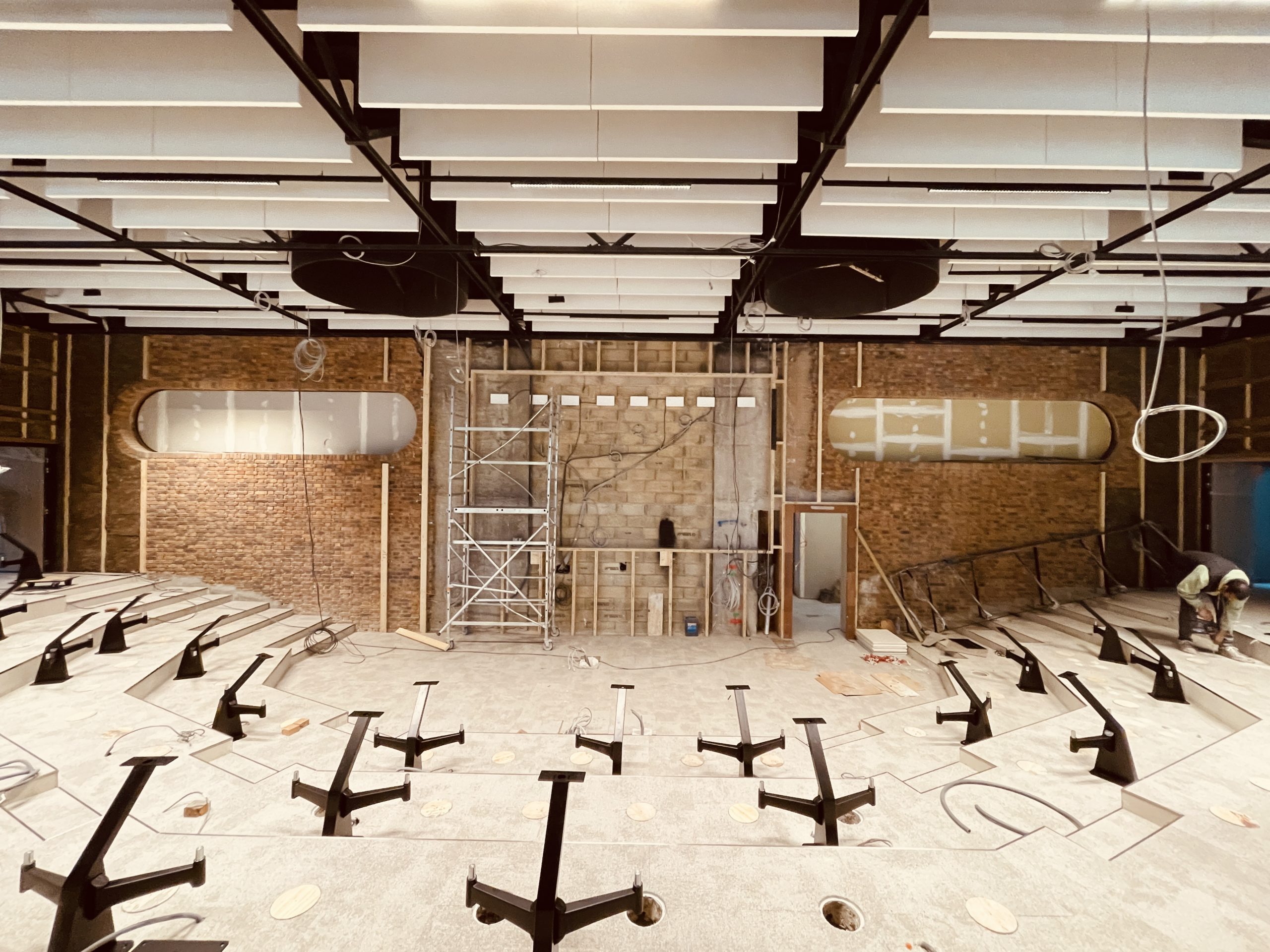
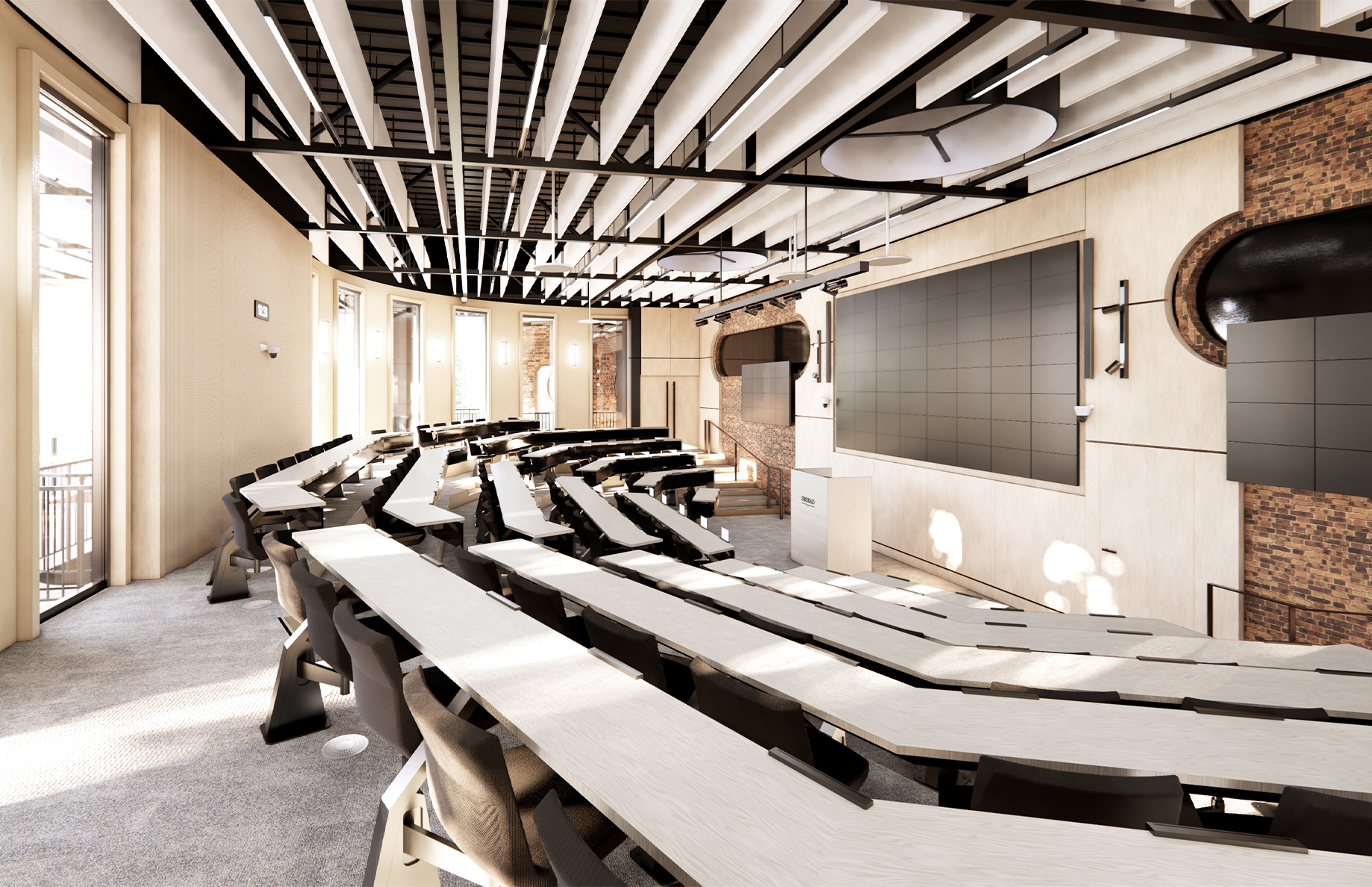
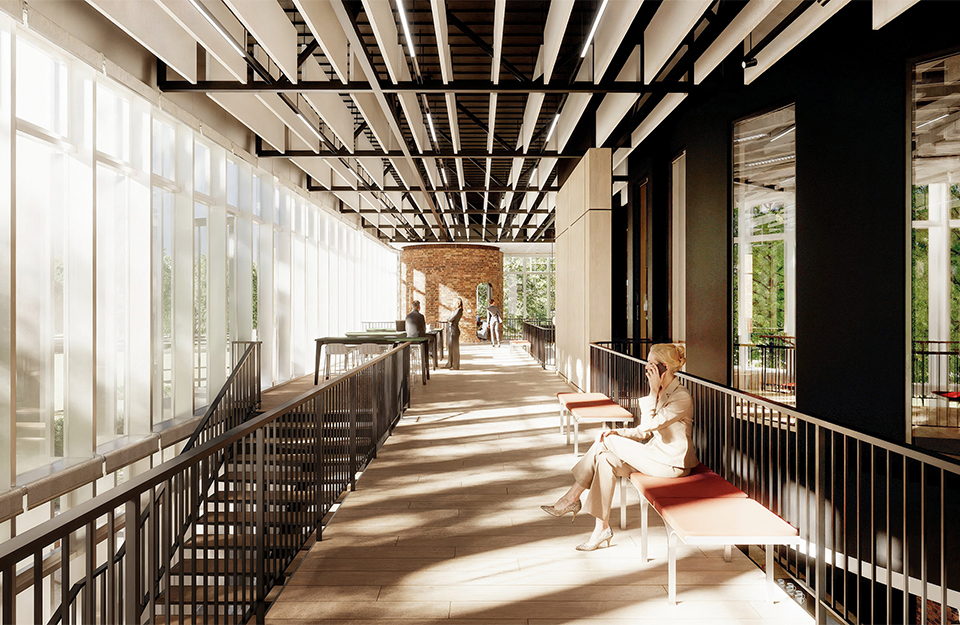
Existing double-height vertical circulation spaces remain visible and open, ensuring continuity between levels while enhancing spatial quality and legibility. On the first floor, two 100-seat lecture theatres are accessed via a suspended gallery that links the generous double-height spaces overlooking the ground floor with the brick-clad BORs.
This multifunctional space is defined by a strong ceiling composition: the existing steel structure, painted black and left exposed, is complemented by white acoustic baffles integrated within its depth, creating a rhythmic and contrasting visual effect.
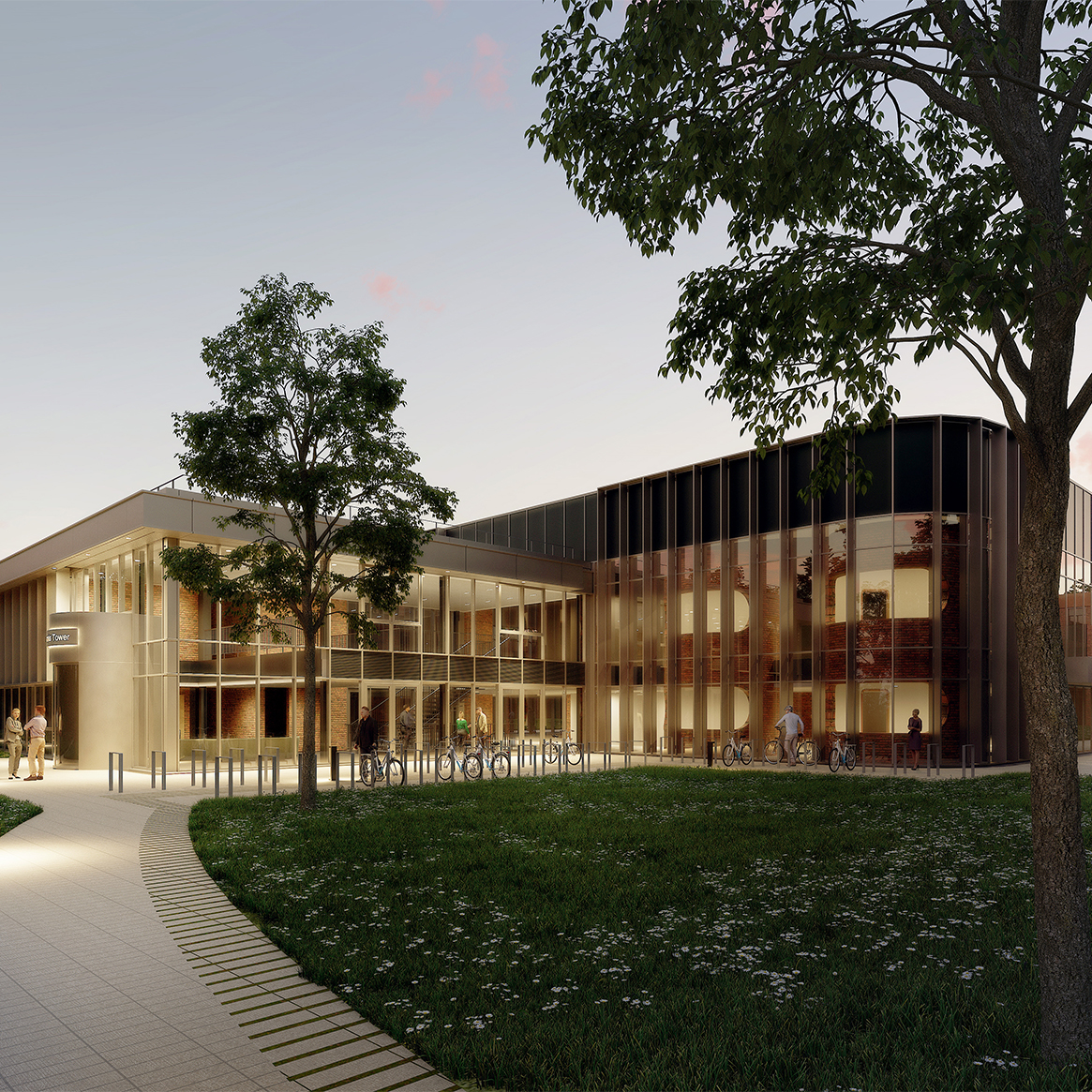
To the north and south, balcony-belvederes overlook alternating forest and landscaped views.
Within the central core, split levels accommodate restrooms and direct speaker access to the lower seating tiers of the lecture theatres. Above, a mezzanine accommodates a technical plant room serving the lecture theatres.
Set on the edge of the forest, the redevelopment places particular emphasis on its natural surroundings. Extensive transparency blurs the boundary between interior and exterior, while new glazed façades strengthen the relationship between architecture and landscape and meet contemporary thermal performance standards. Together, these interventions reinforce the identity of the campus as a forest campus.
Desmarais Tower embodies the renewal of the INSEAD campus and its commitment to a new generation of spaces dedicated to learning, exchange and the transmission of knowledge.