CERMAD, Pitié-Salpêtrière Hospital
Paris, France
AP-HP
Architect: WILMOTTE & ASSOCIES ARCHITECTES
Lead Contractor: Impresa B4T
Engineering Consultants:
WSP
Acrora
Ent ID
Neveux Rouyer
Accesmetrie
Alpha-I & Co
Risk control
CSD & Associés
Lasa
3,367 sqm
2027
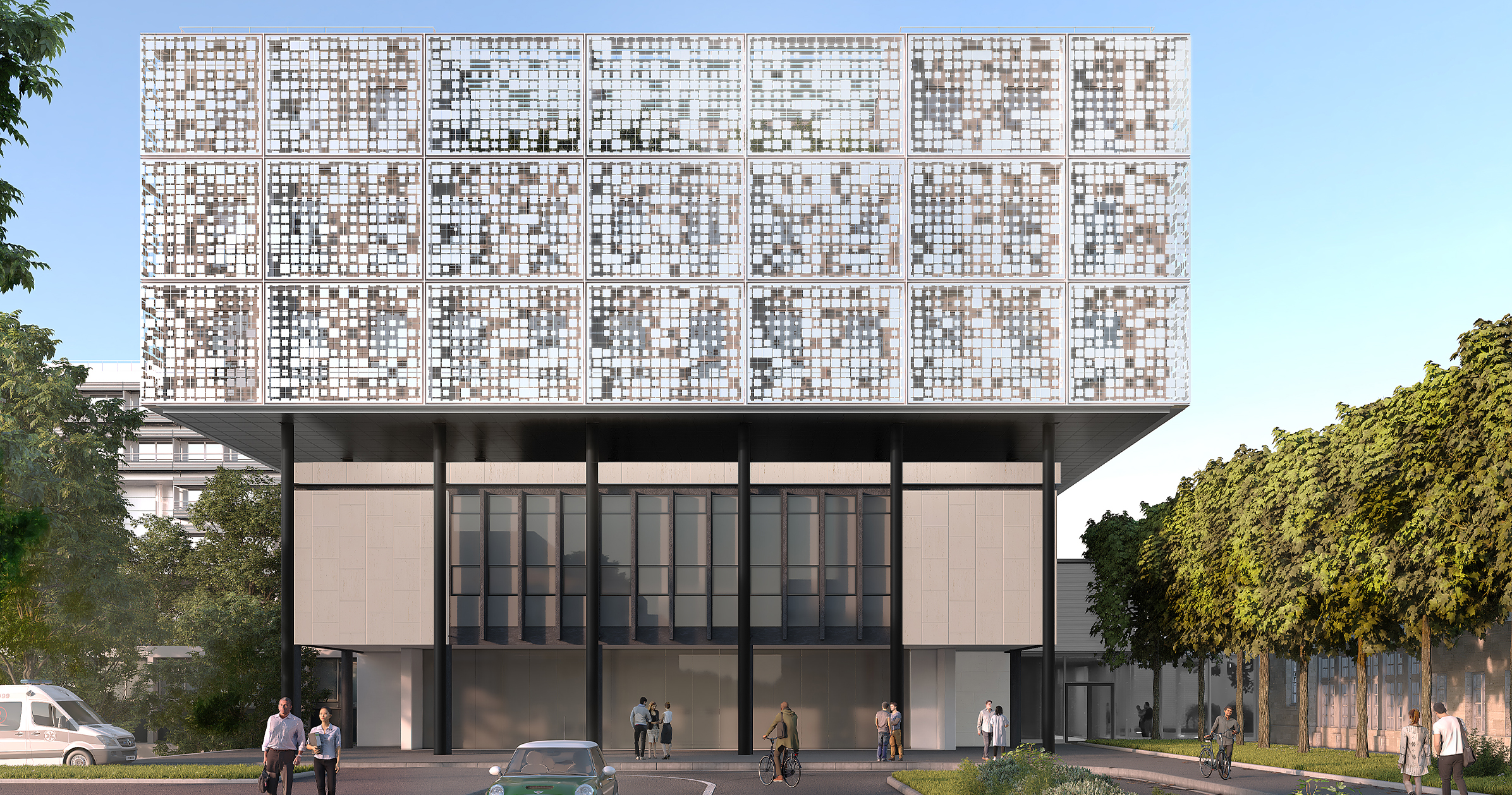
Construction of the CERMAD dedicated to clinical research on Alzheimer’s and neurodegenerative diseases, consisting of a bridge building spanning above the Charcot building
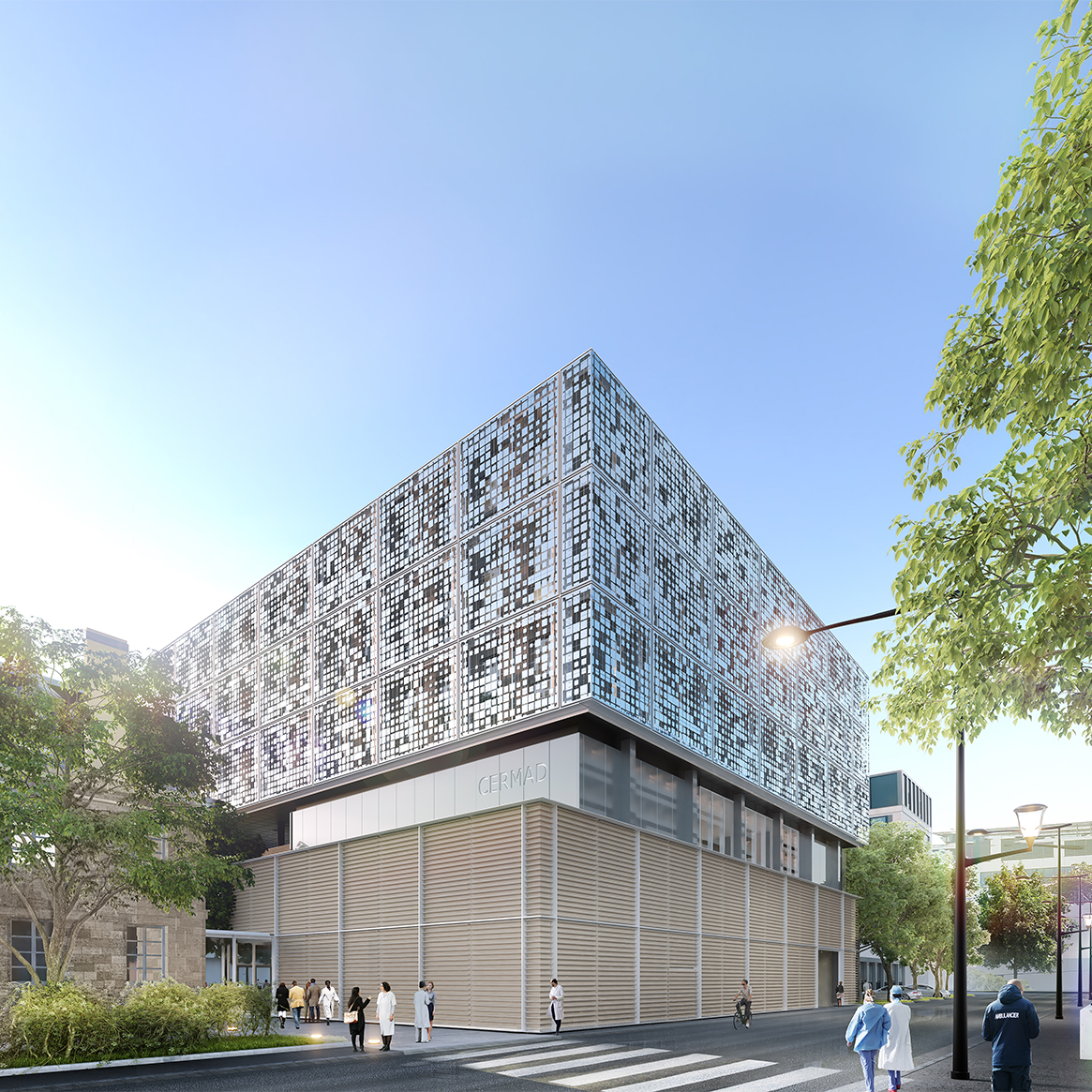
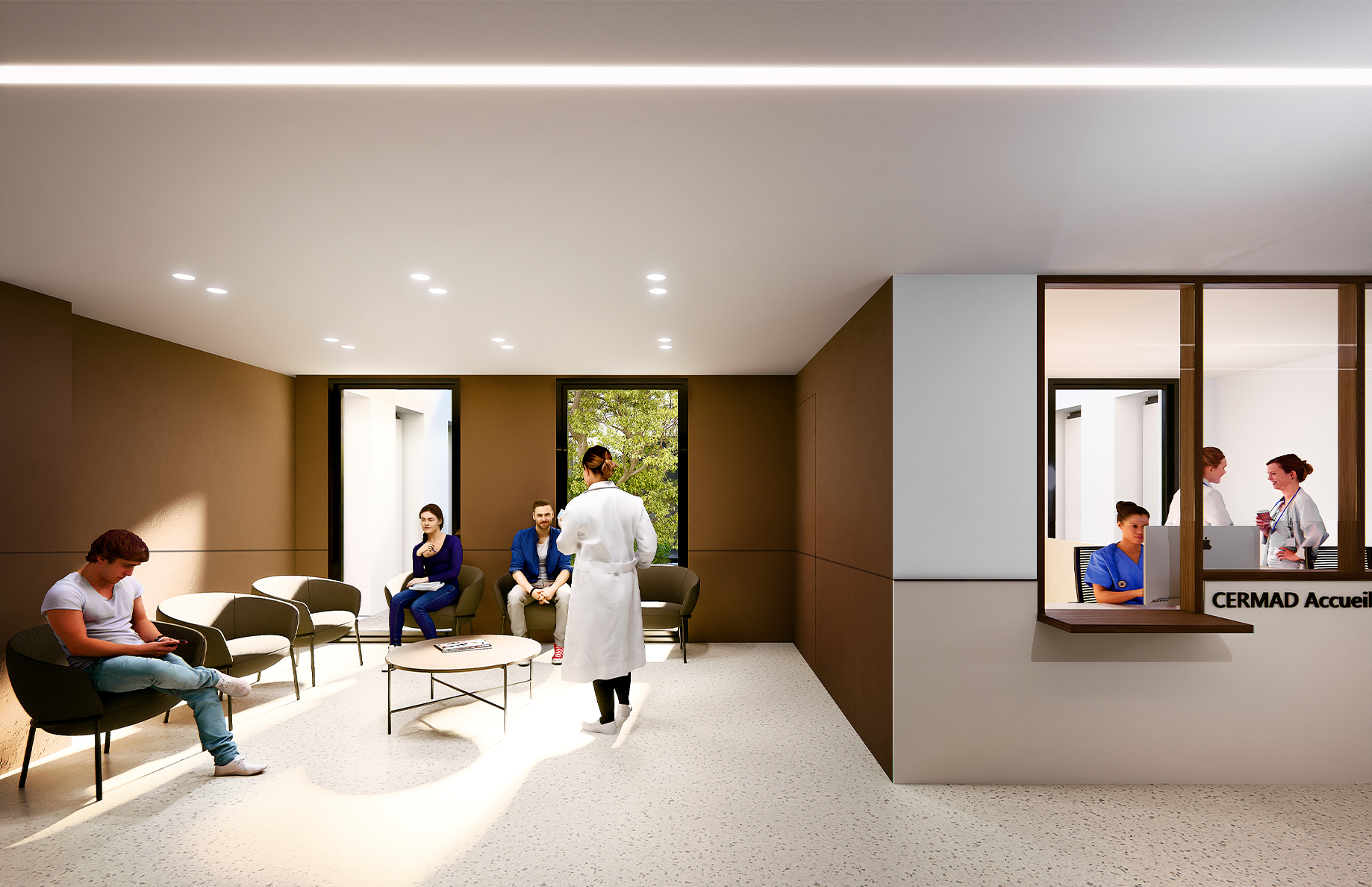
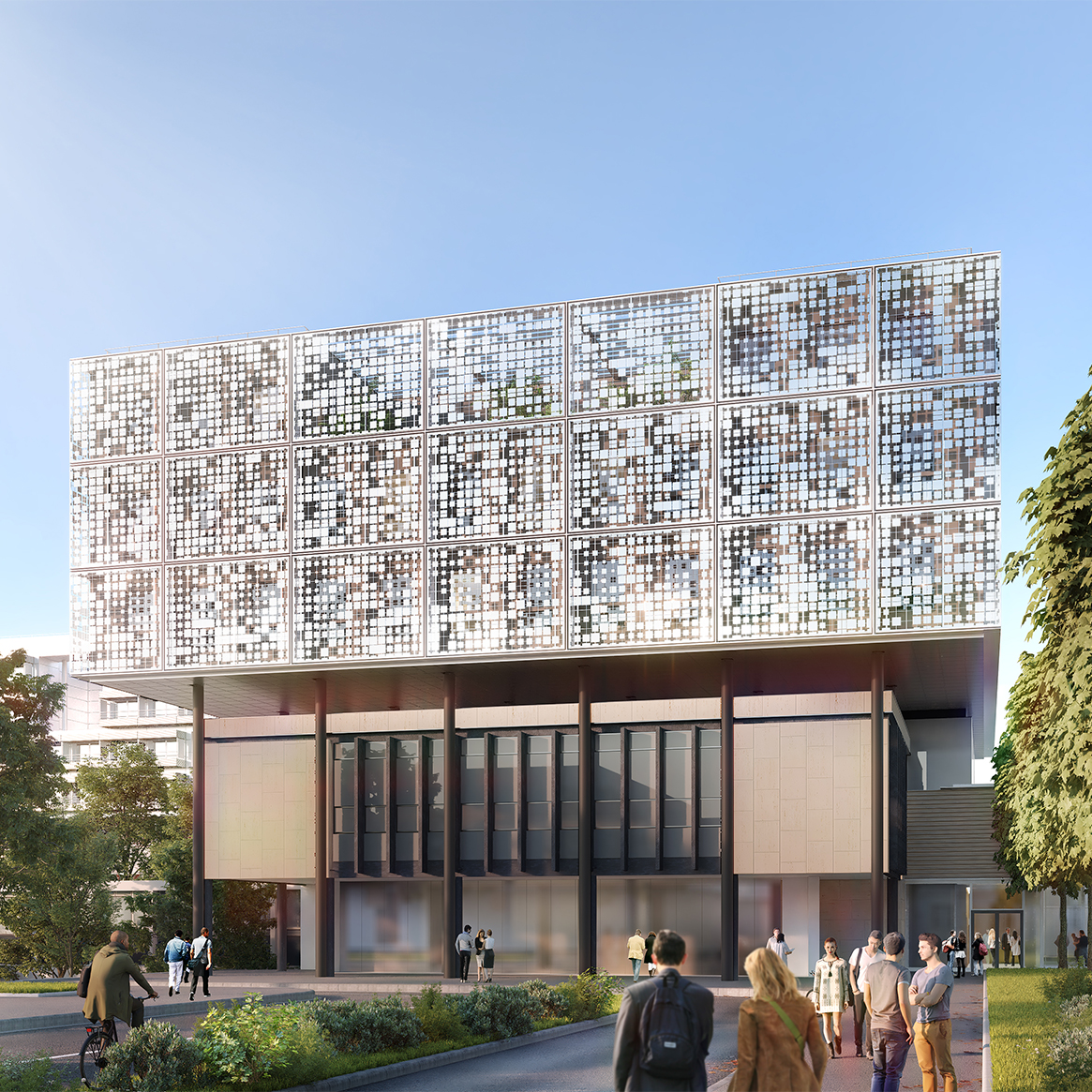
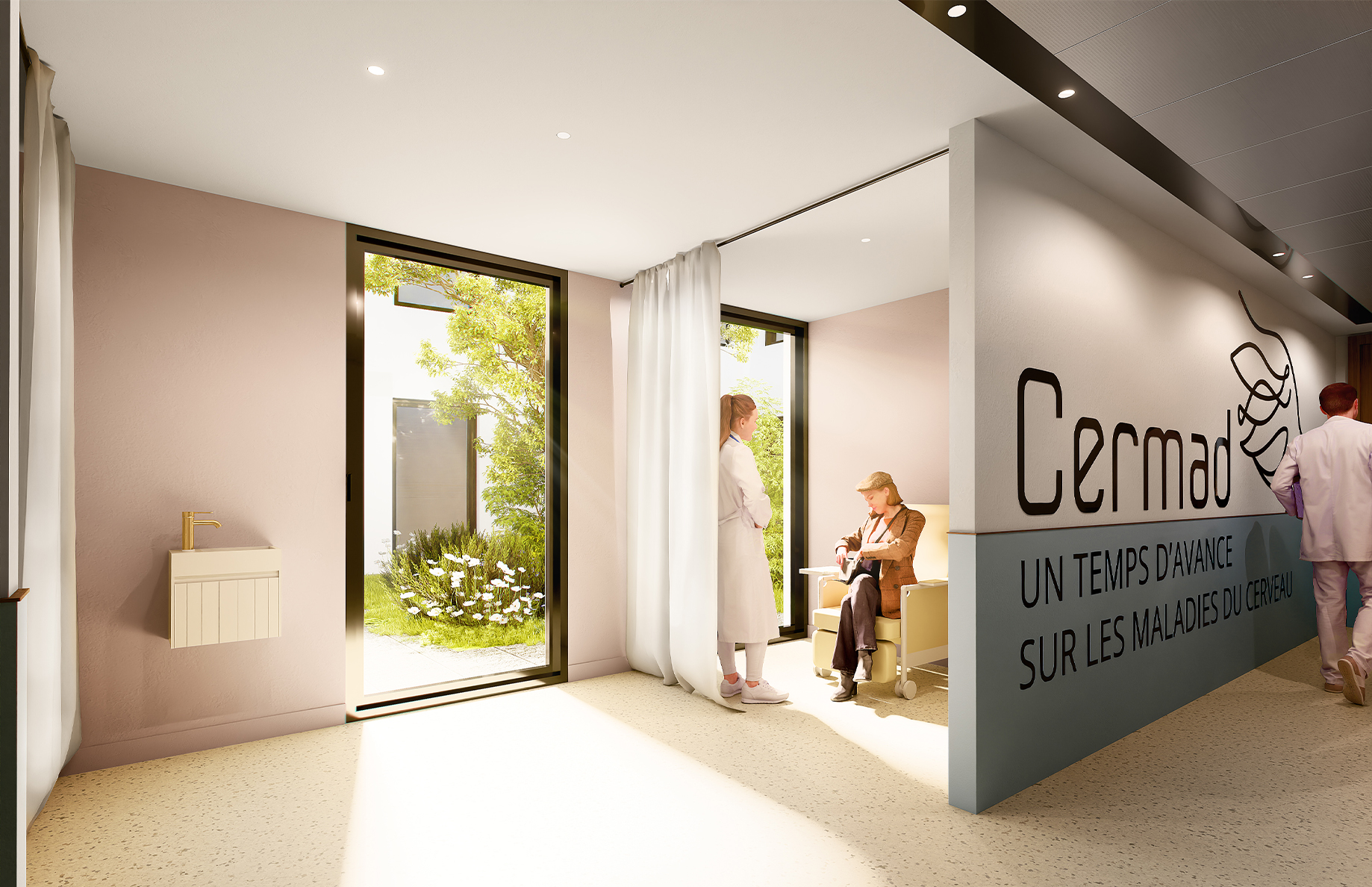
A pioneering project in France, located at the heart of the Pitié-Salpêtrière hospital, CERMAD — Centre of Excellence and Research on Alzheimer’s and Neurodegenerative Diseases — aims to advance the fight against brain disorders. The bridge-building that will house it, designed by Wilmotte & Associés, embodies the convergence of healthcare and research.
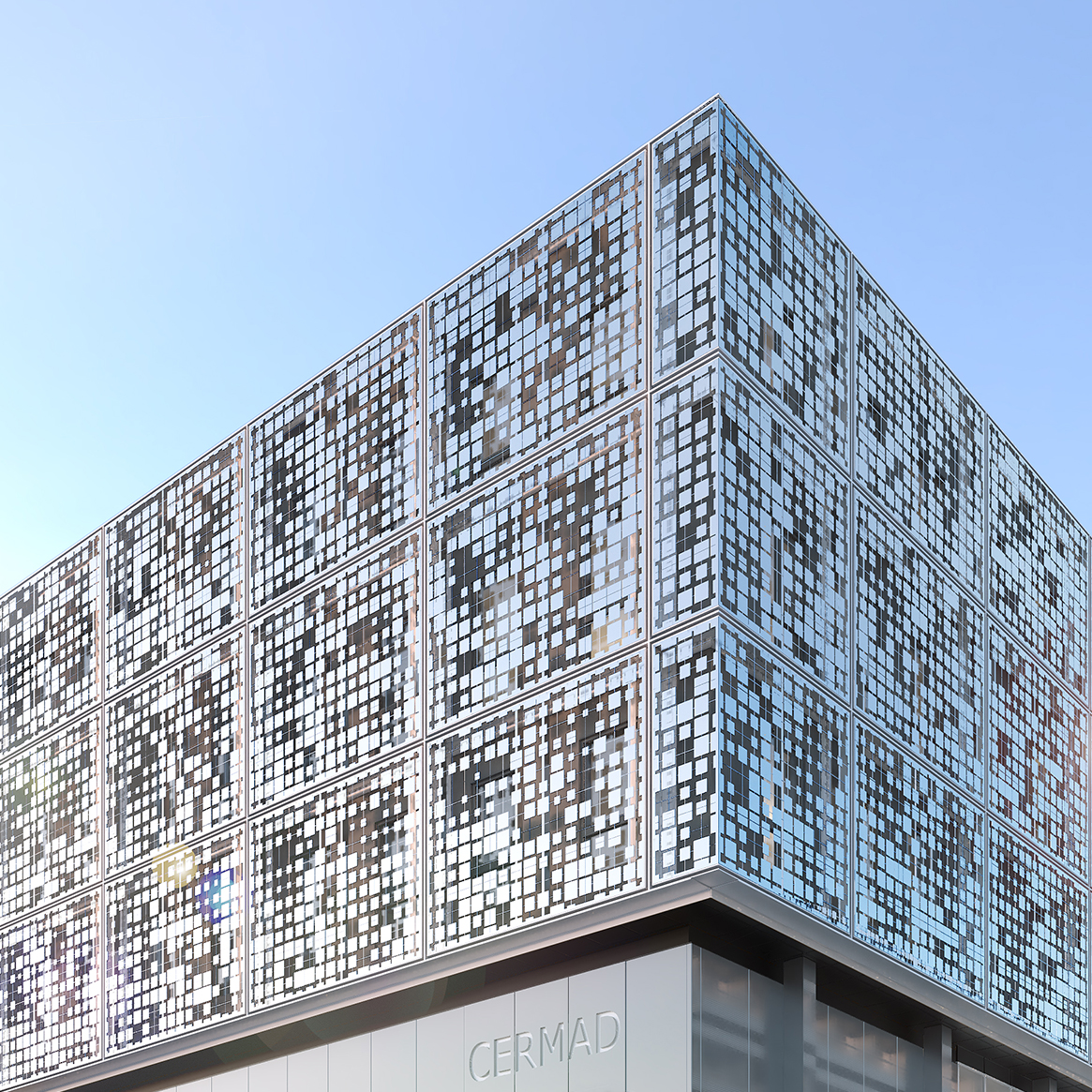
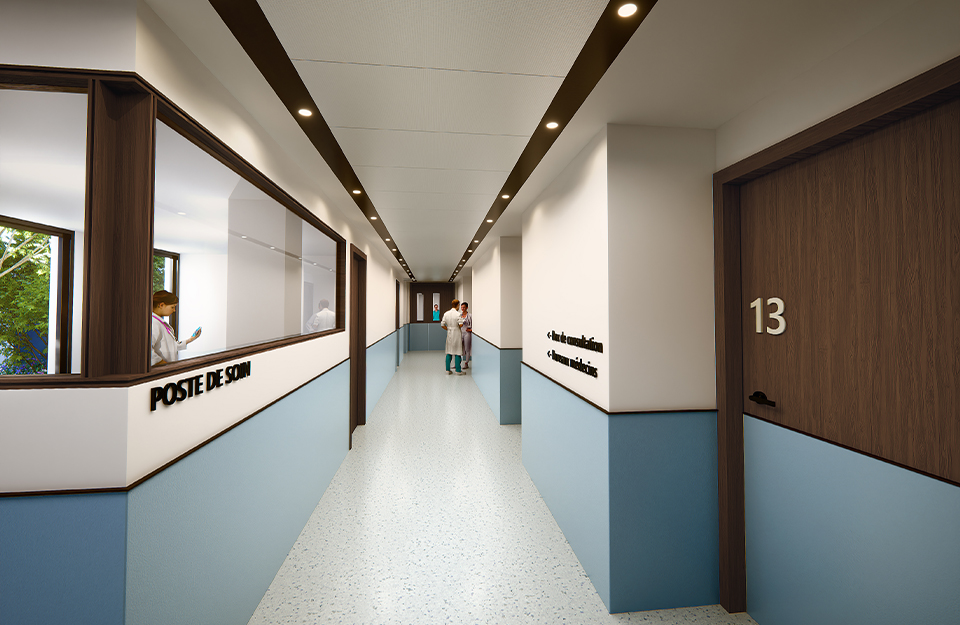
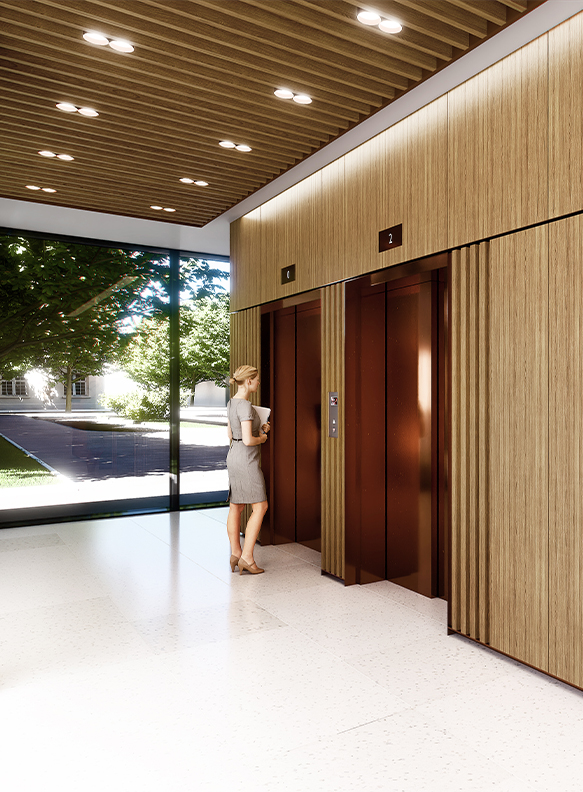
With a history spanning several decades, the Pitié-Salpêtrière hospital has developed a remarkable architectural heritage, distinguished both by the singularity of its buildings and by the subtle network that connects them. Designing a new structure within this context raises the fundamental question of presence: a unifying presence, both light and timeless.
The CERMAD building is conceived to integrate seamlessly with its host structure, while engaging in a dialogue with the surrounding constructions, each bearing its own architectural narrative. In doing so, it becomes a connecting element within the AP-HP neurosurgery campus.
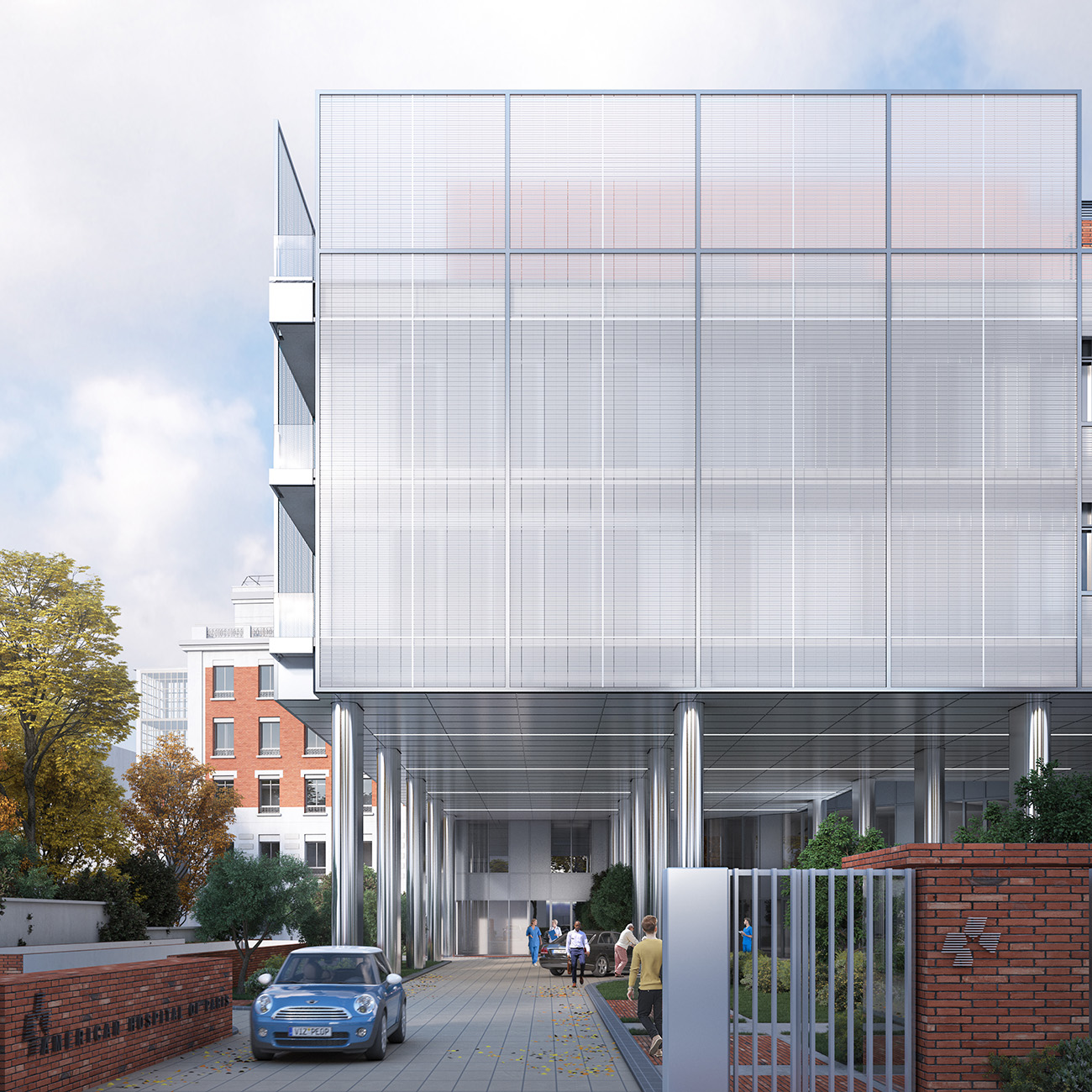
Envisioned with a refined and lightweight expression, the building’s lines give it an almost floating appearance, while its mesh-like façade forms an elegant and precise modulation. It stands as a sharp, finely crafted object, reflecting the rigor of the research it contains.


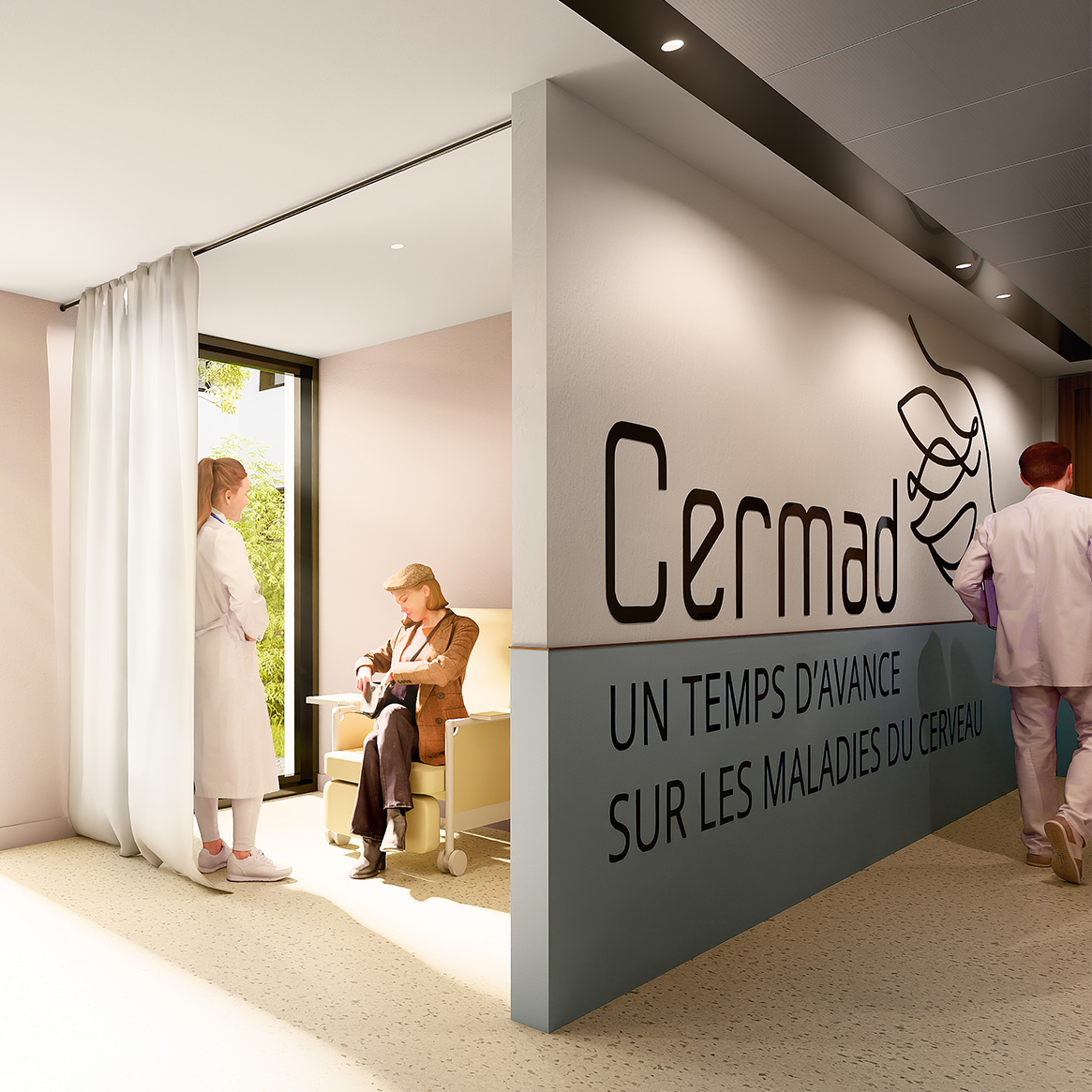
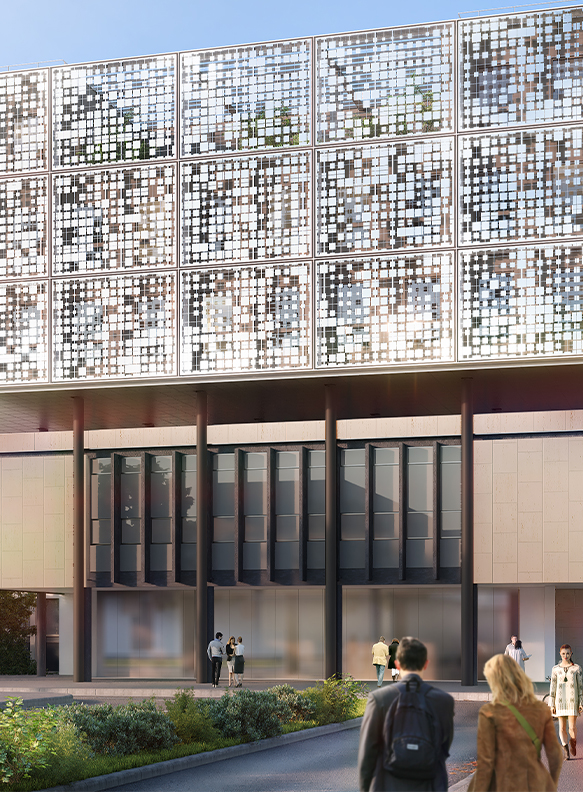
Rooted in its time, it features an intelligent façade designed to address contemporary climate challenges. A double-skin envelope acts as a subtle filter for solar gains while promoting a generous diffusion of natural daylight within the spaces.
Through its architecture, CERMAD asserts itself as both a measured and ambitious intervention, offering a high-quality environment for exchange, research, and care—fully aligned with the scientific and human challenges it embraces.