Jeju Gana Museum
Jeju-Do, South Korea
Gana Foundation for Arts and Culture
Architect: WILMOTTE & ASSOCIÉS ARCHITECTES
1,605 sqm
2026
Renovation of existing buildings, construction of a new museum, and museography of several buildings dedicated to a private collection
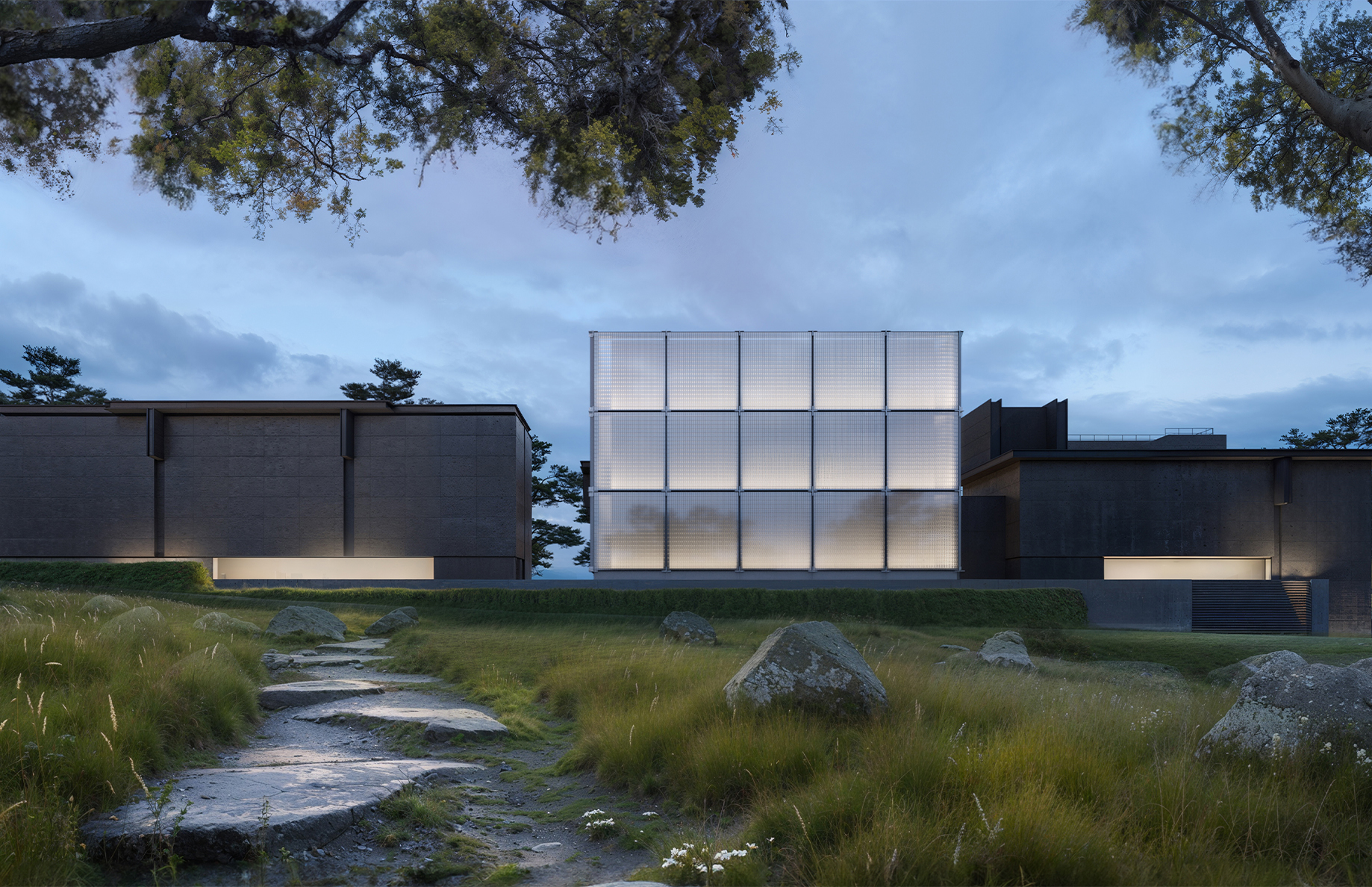
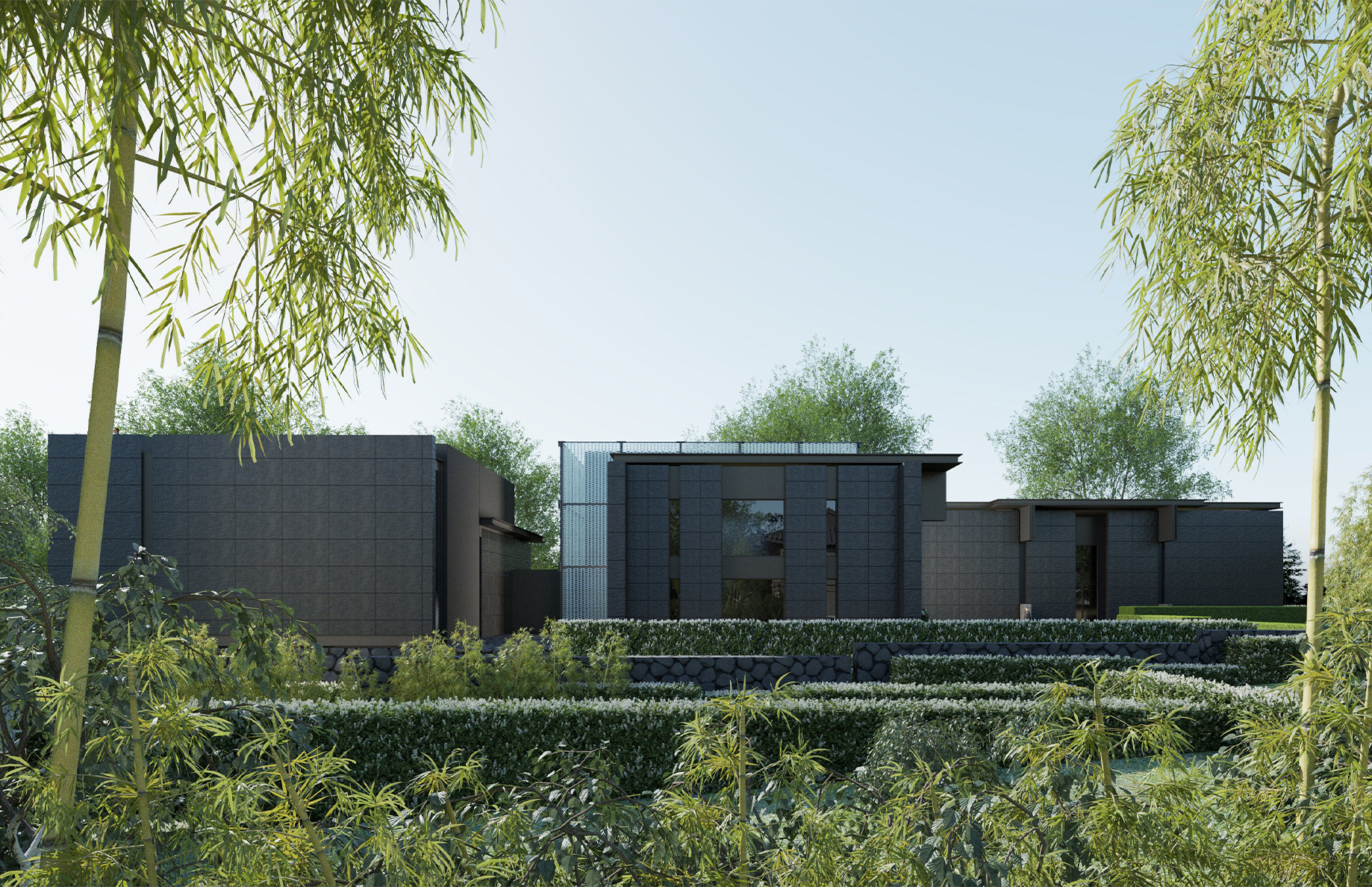
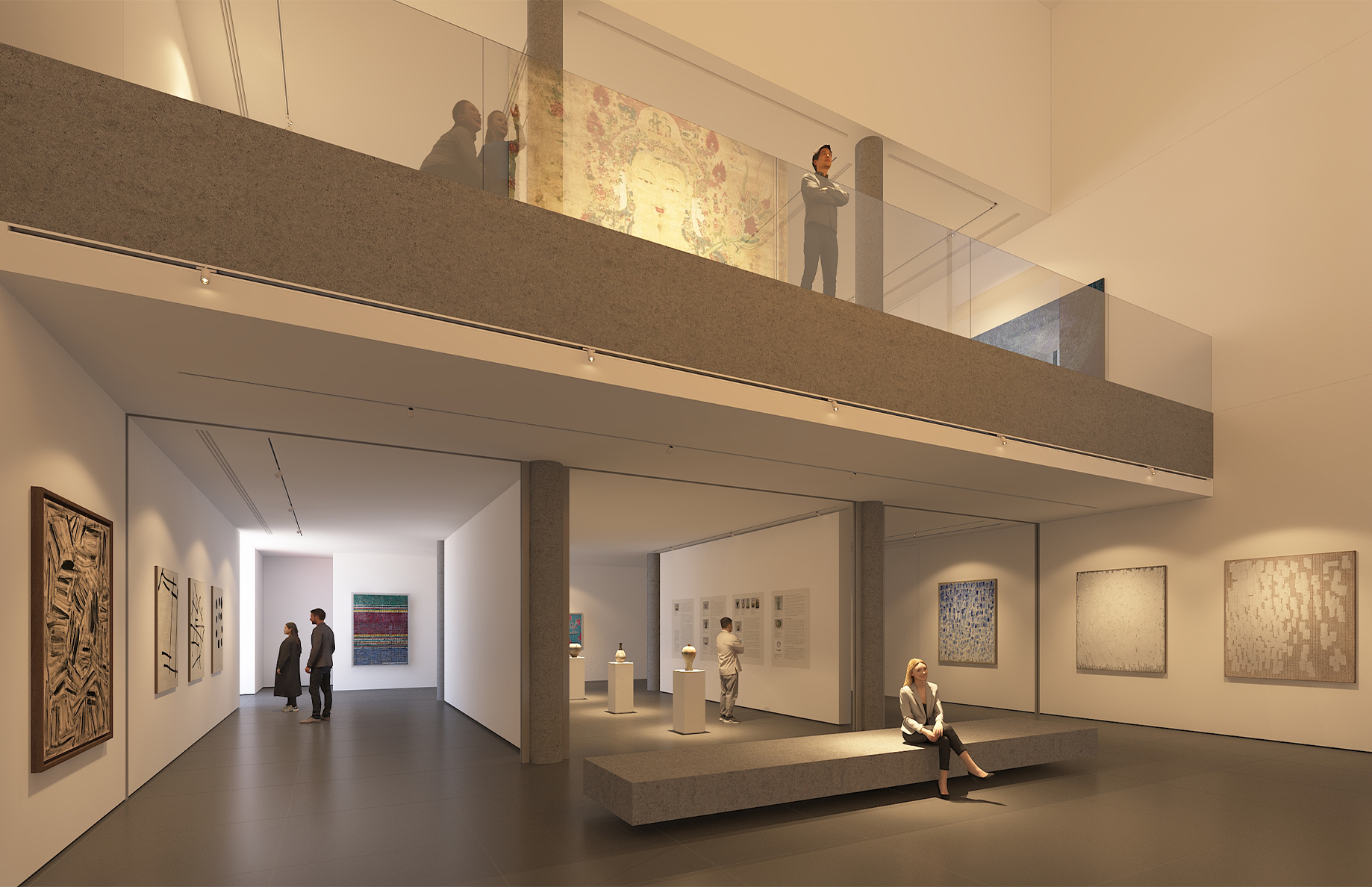
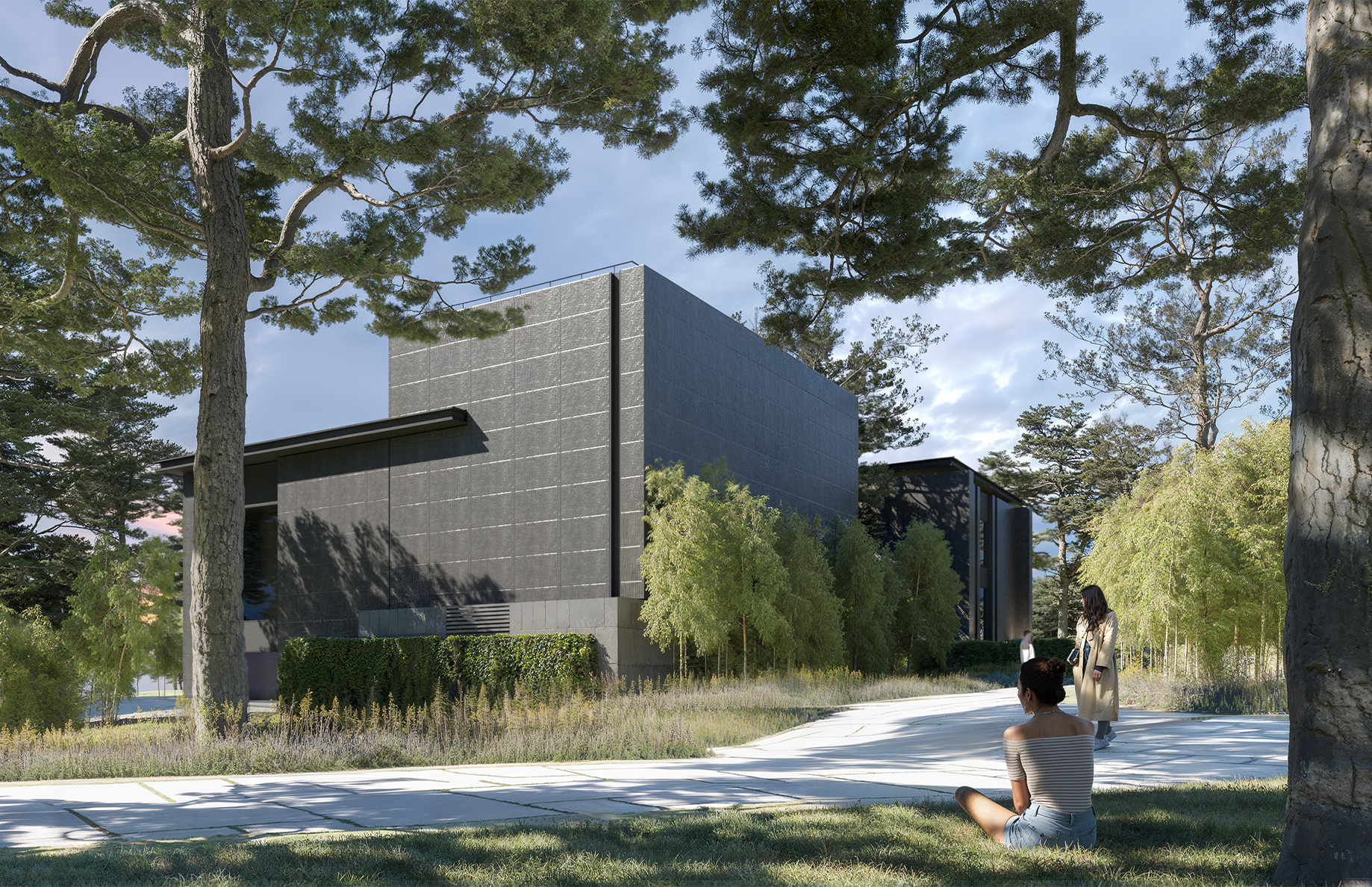
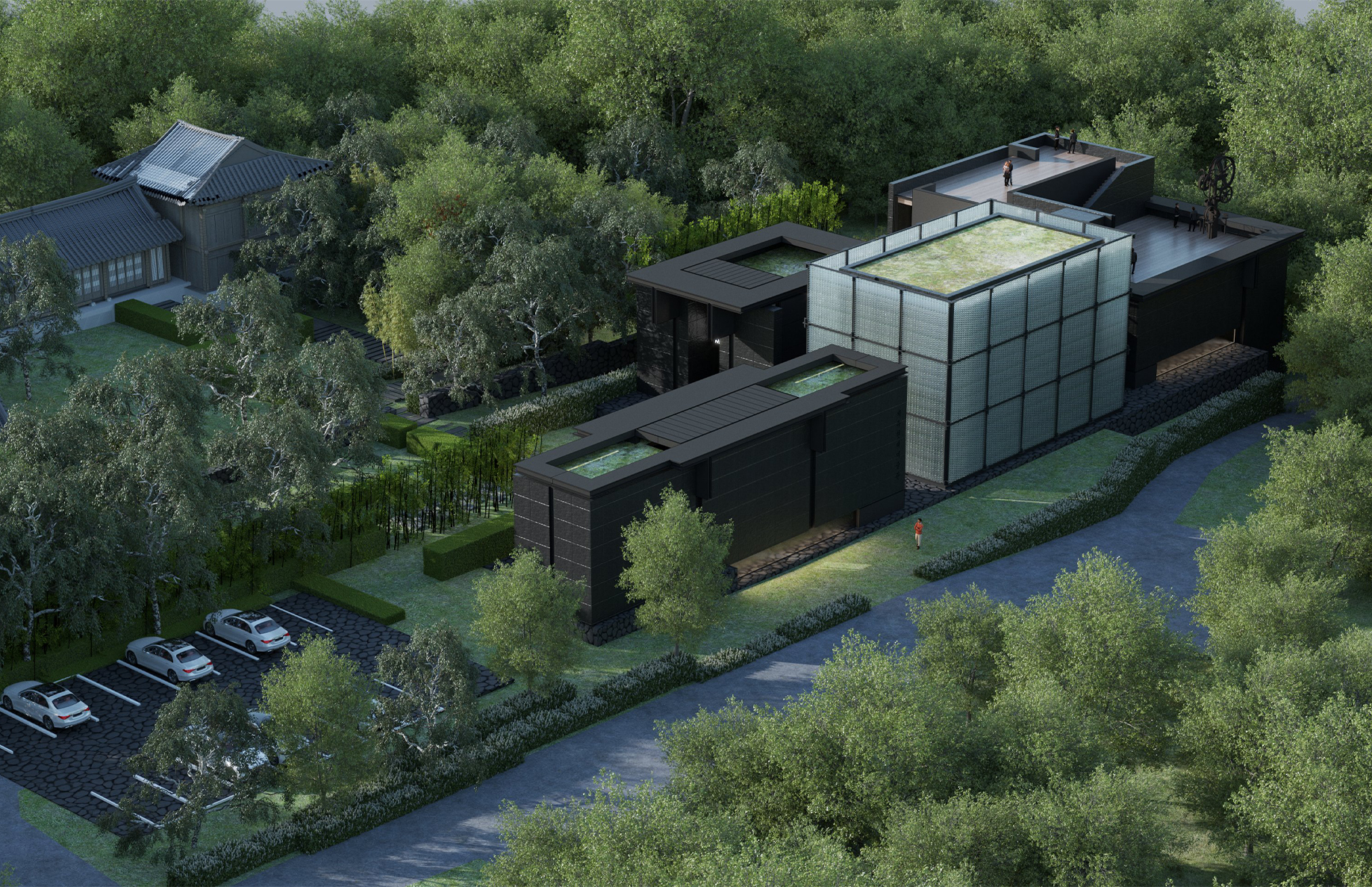
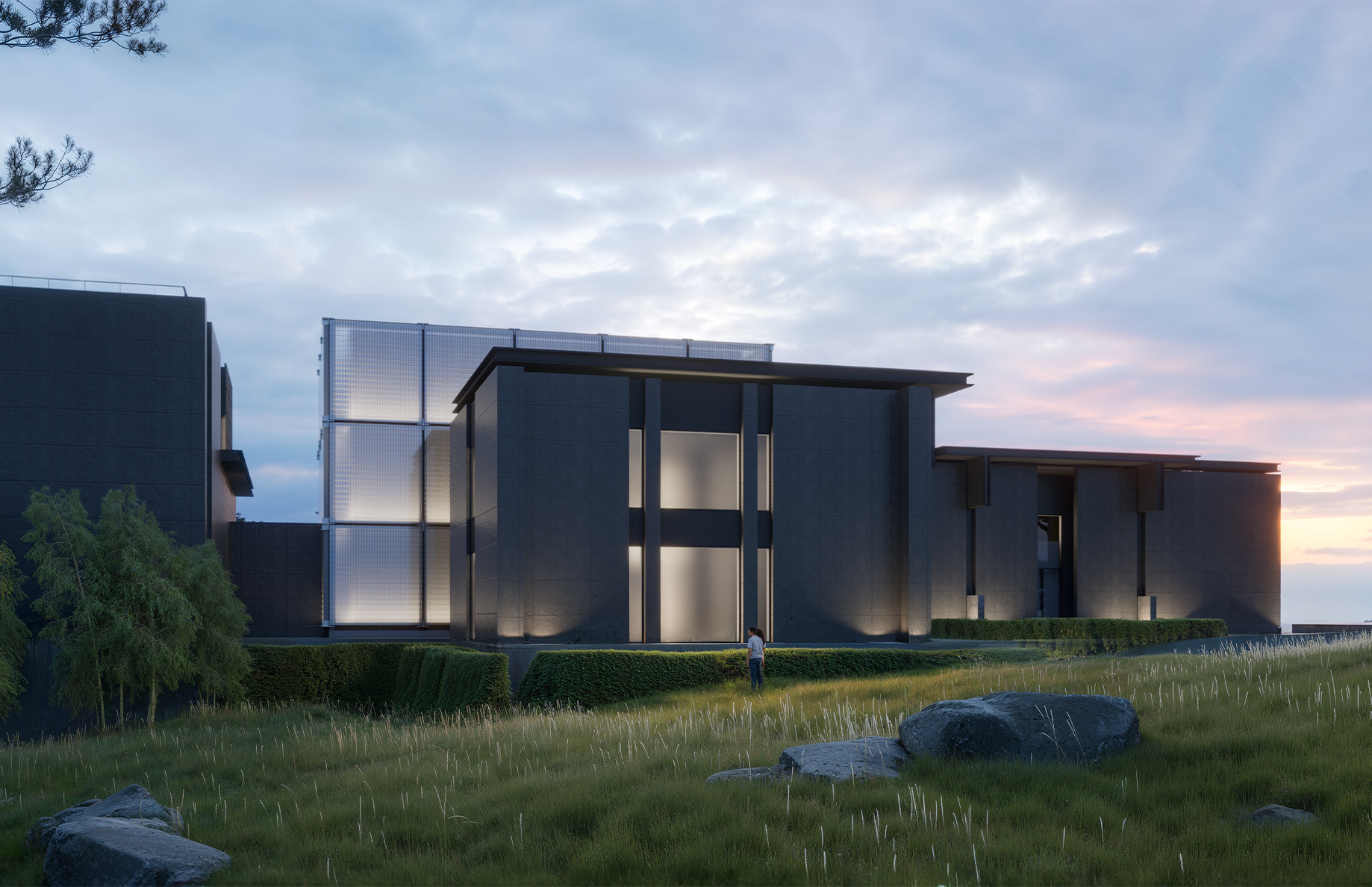
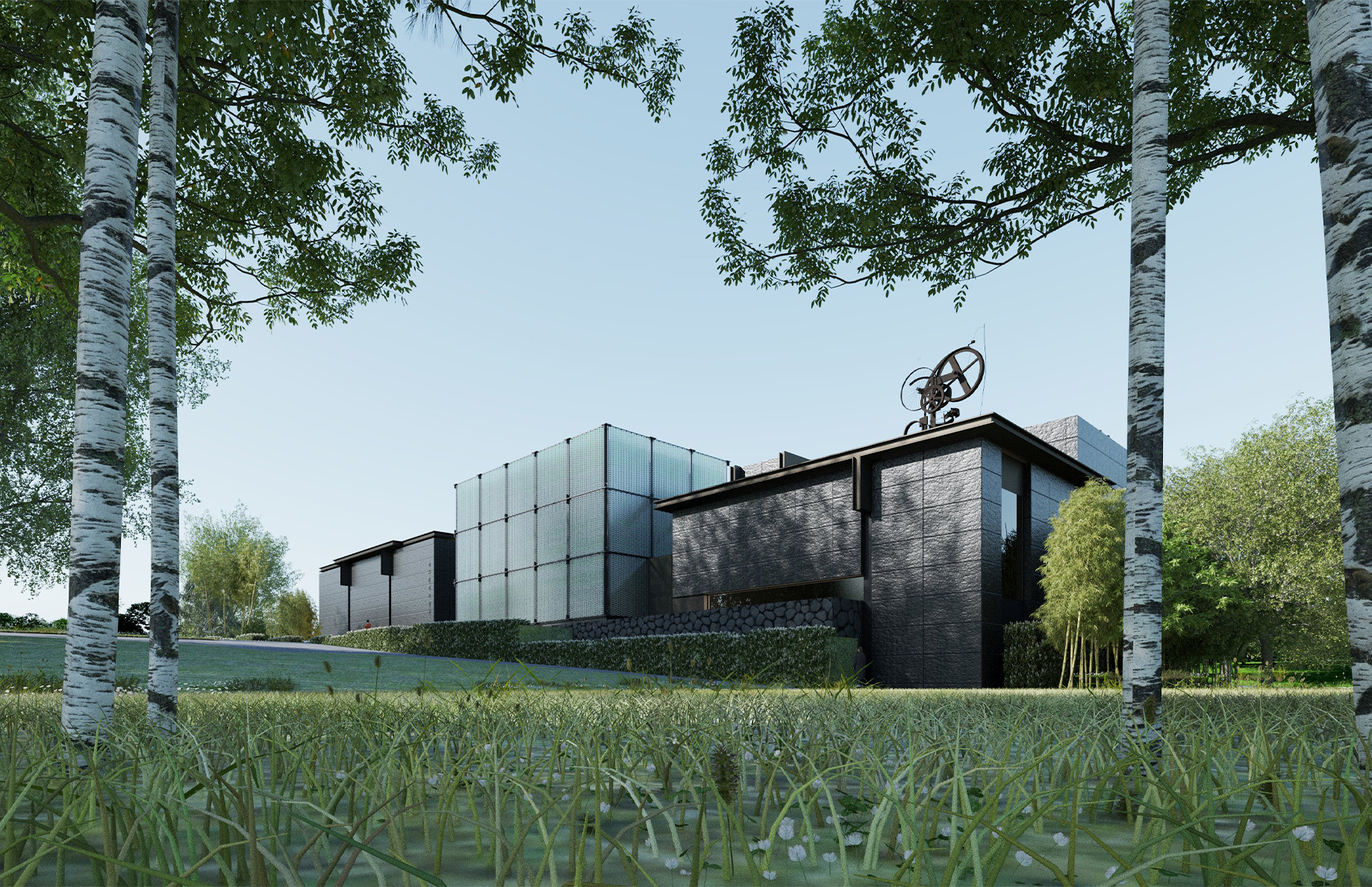
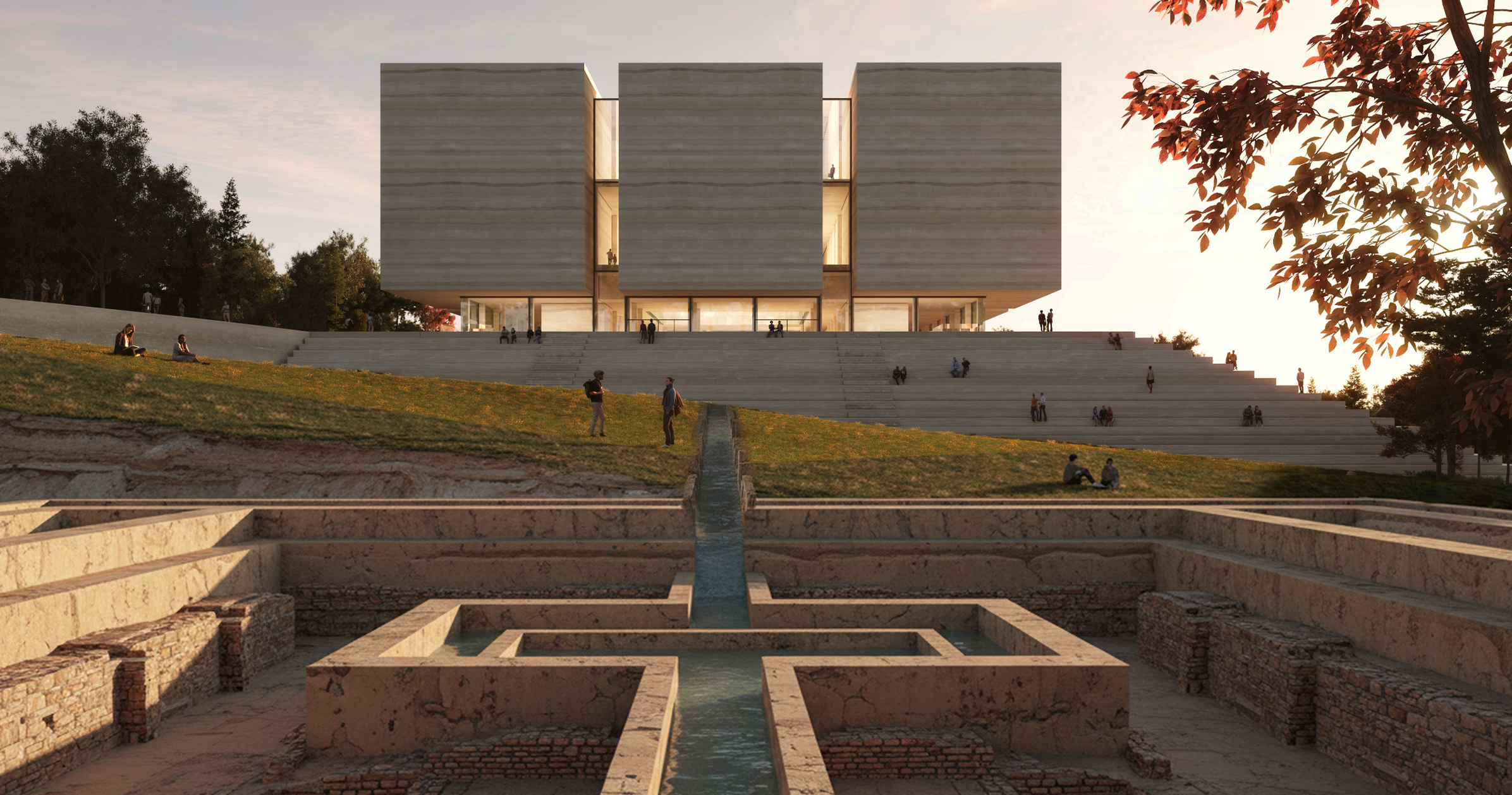
The Jeju Gana Museum, a private institution initiated by the Gana Foundation for Arts and Culture, houses a valuable collection of ceramics, traditional and contemporary paintings, as well as an outstanding ensemble of artworks by artist Choi Jong-tae. More than just a place of exhibition, it is an architectural landscape celebrating memory, light, and the profound dialogue between art and life.
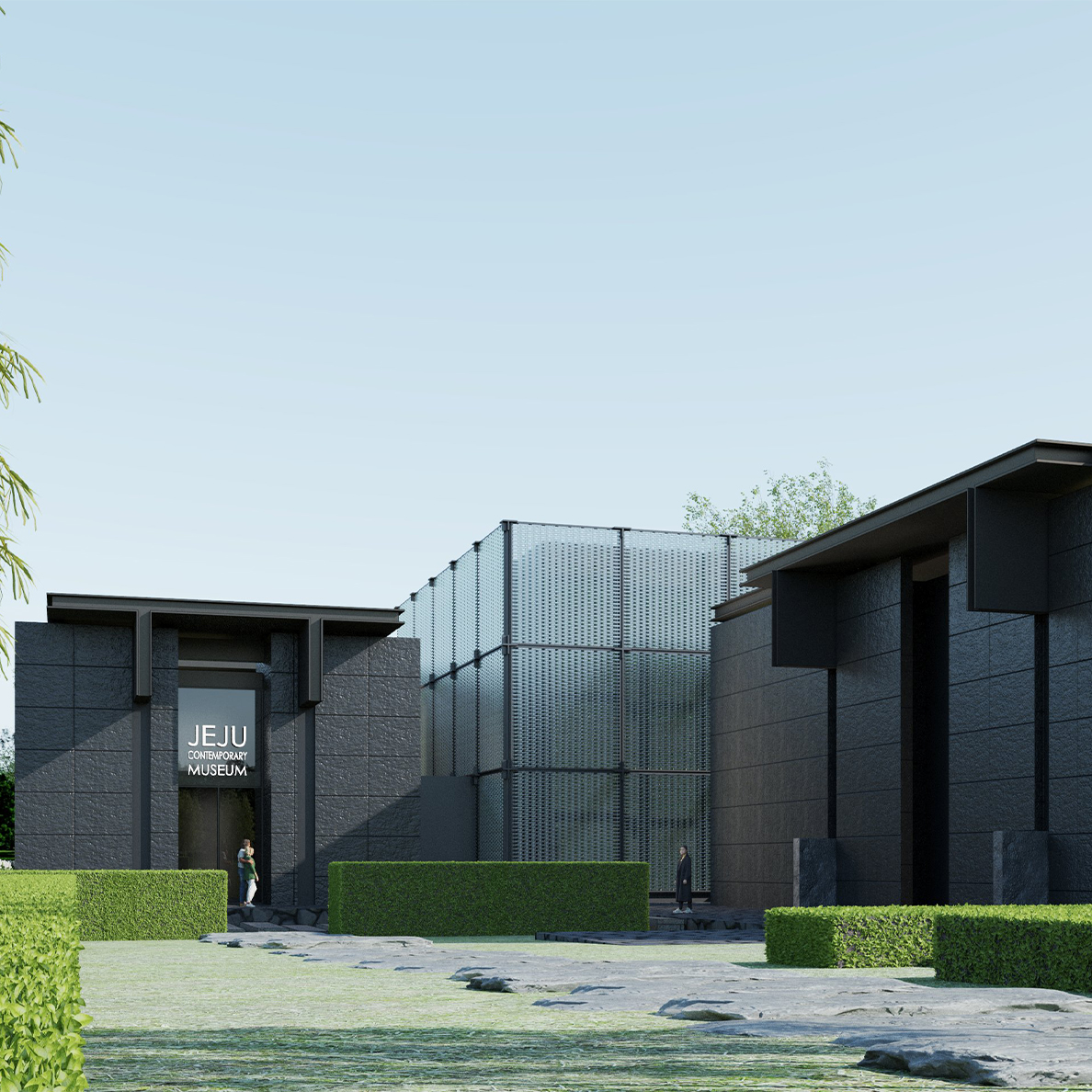
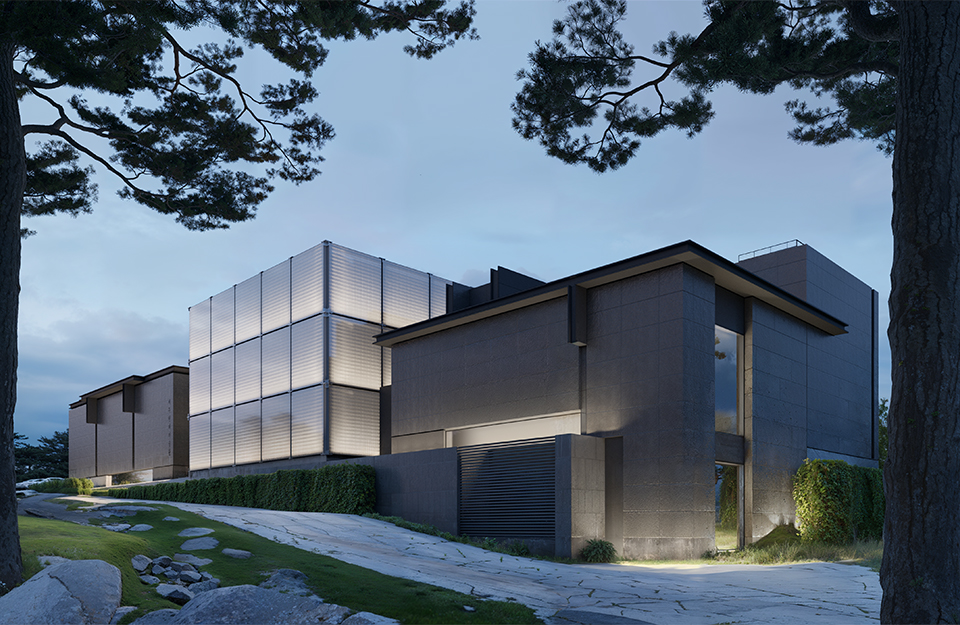
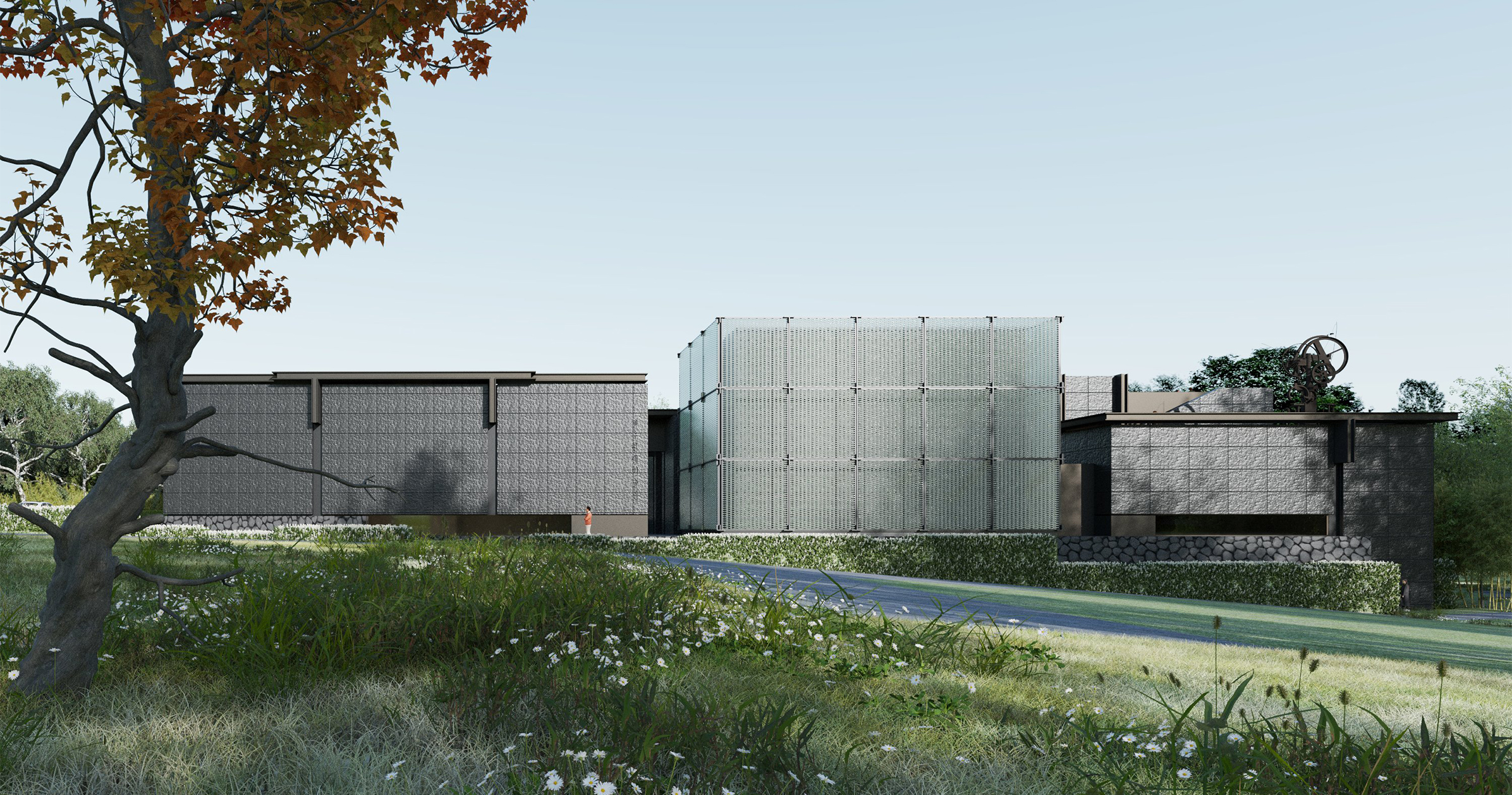
Inspired by the urban scale and traditional pavilion organization of Jeju Island, the architecture is composed of four distinct buildings, each with its own character, arranged like a small cultural hamlet.
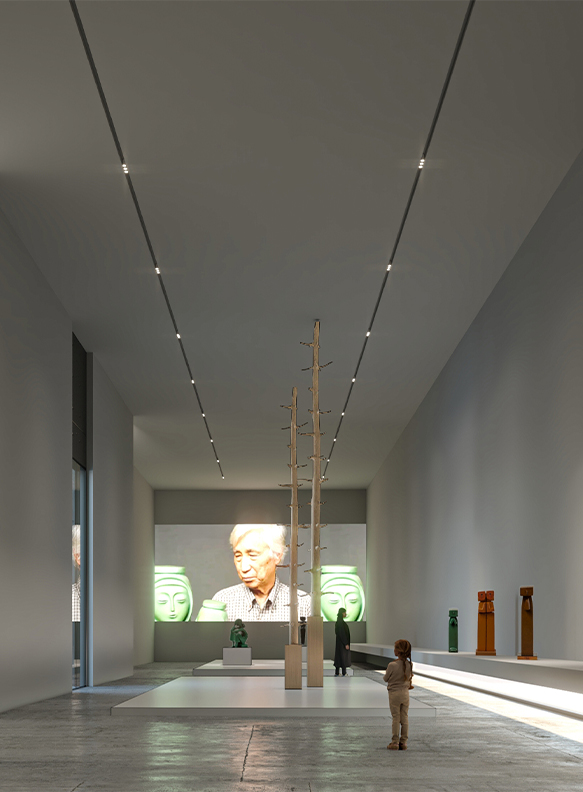
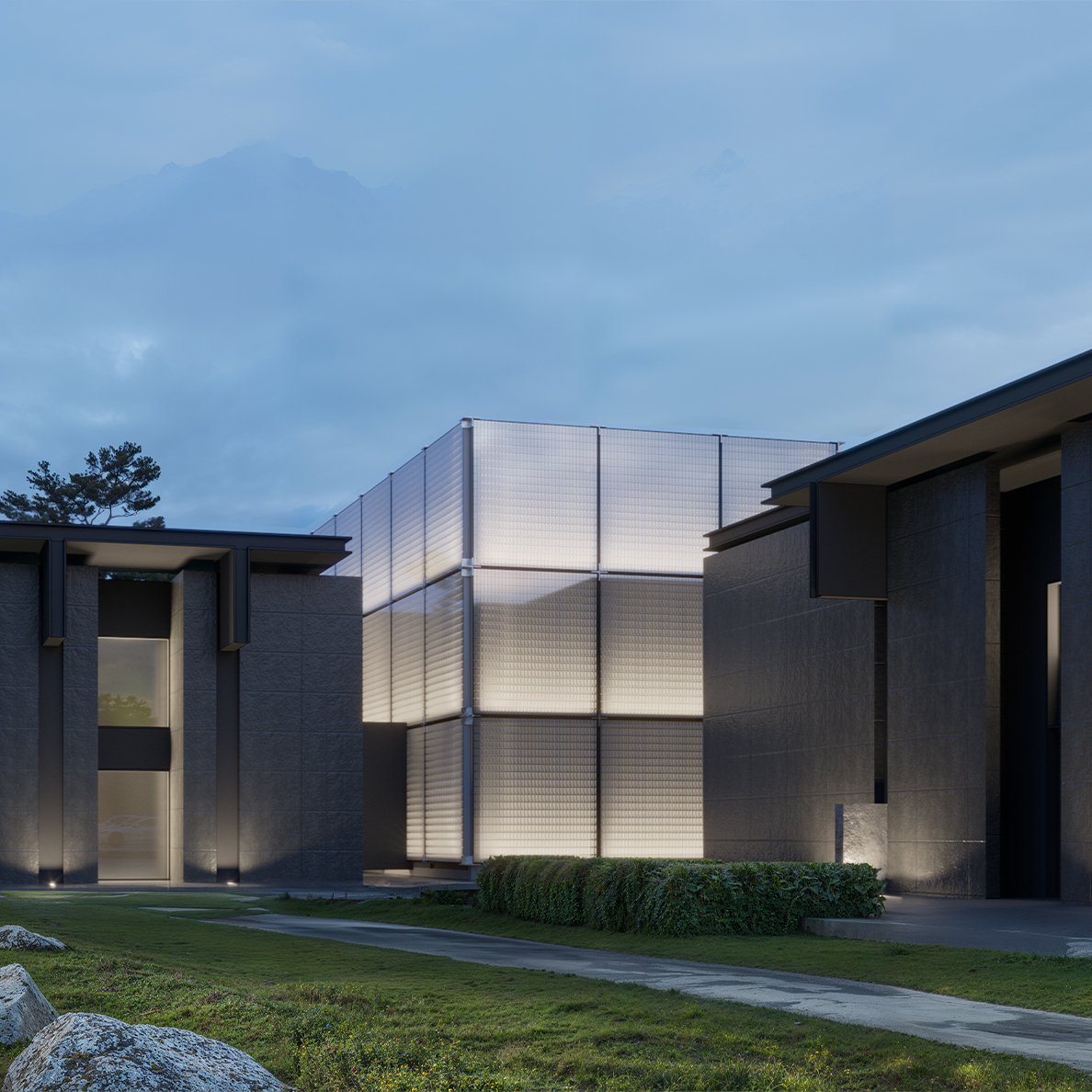
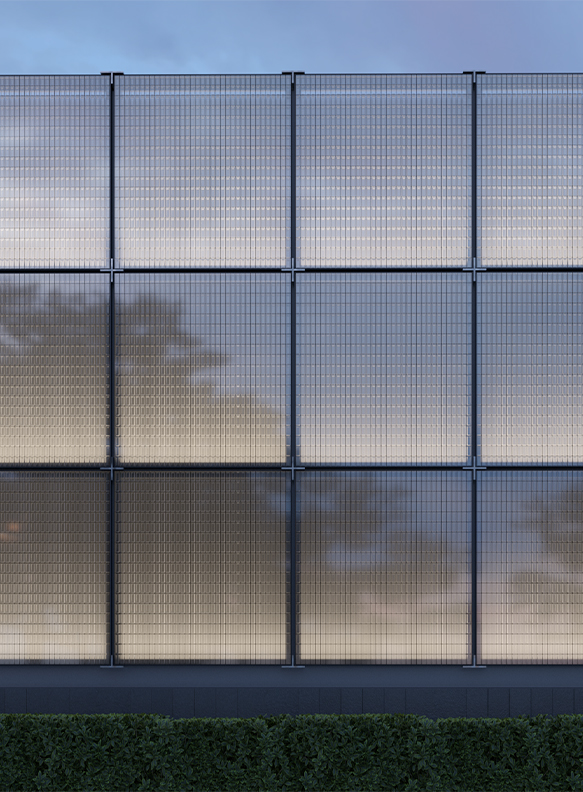
Aligned with the main entrance axis of the site, the reception pavilion leads to a central pavilion, ten meters high, distinguished by its double-skin façade made of glass blocks. A third pavilion at the rear incorporates two exhibition levels totaling 570 m². To the right of the reception pavilion, a fourth pavilion, dedicated to the artist Choi Jong-tae, stretches along the entrance to better assert its distinct identity. It features a large exhibition hall with a ceiling height of seven meters, crossed by a mezzanine that evokes the atmosphere of the artist’s studio and offers a rare closeness to his works.
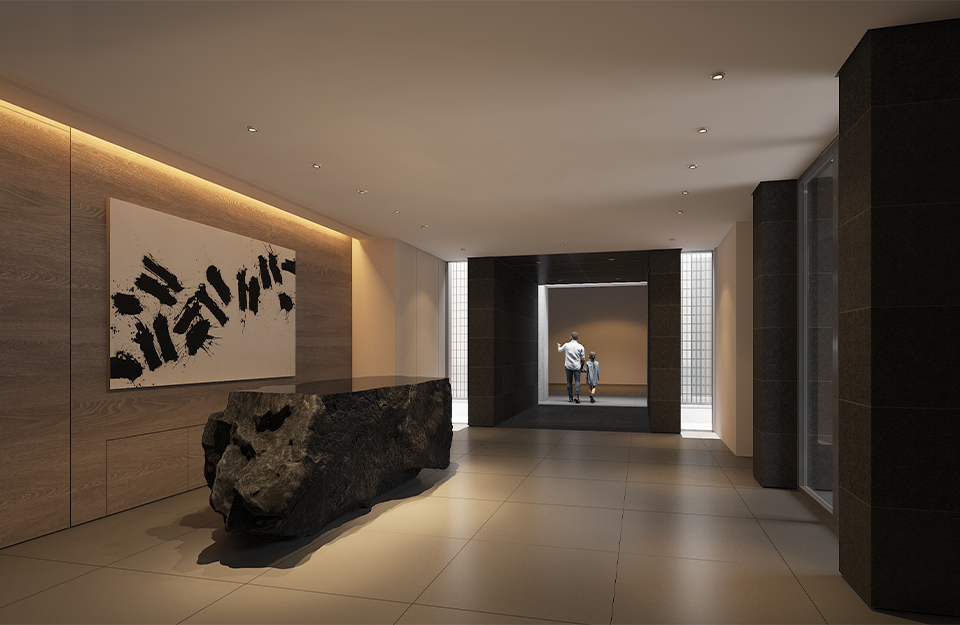
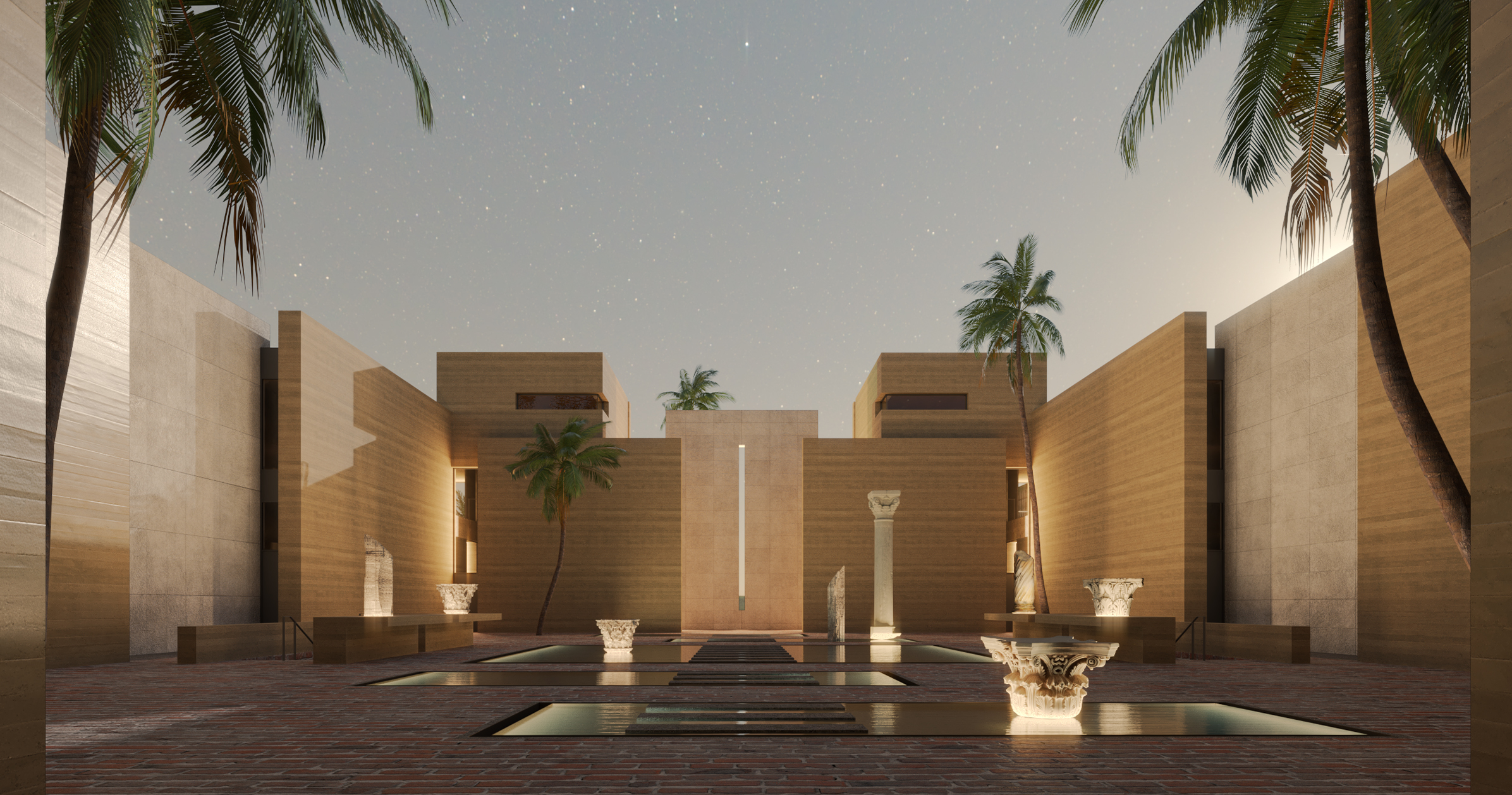
The museum’s architectural journey was conceived as a truly sensory experience—an urban composition, a pathway that guides visitors step by step through a restrained, even brutalist architecture in which the works of the collection are set.
The reception pavilion serves as a transition between the outside world and the museum’s universe; a dark, almost oppressive corridor acts as a chamber for introspection before the discovery of the first exhibition room.
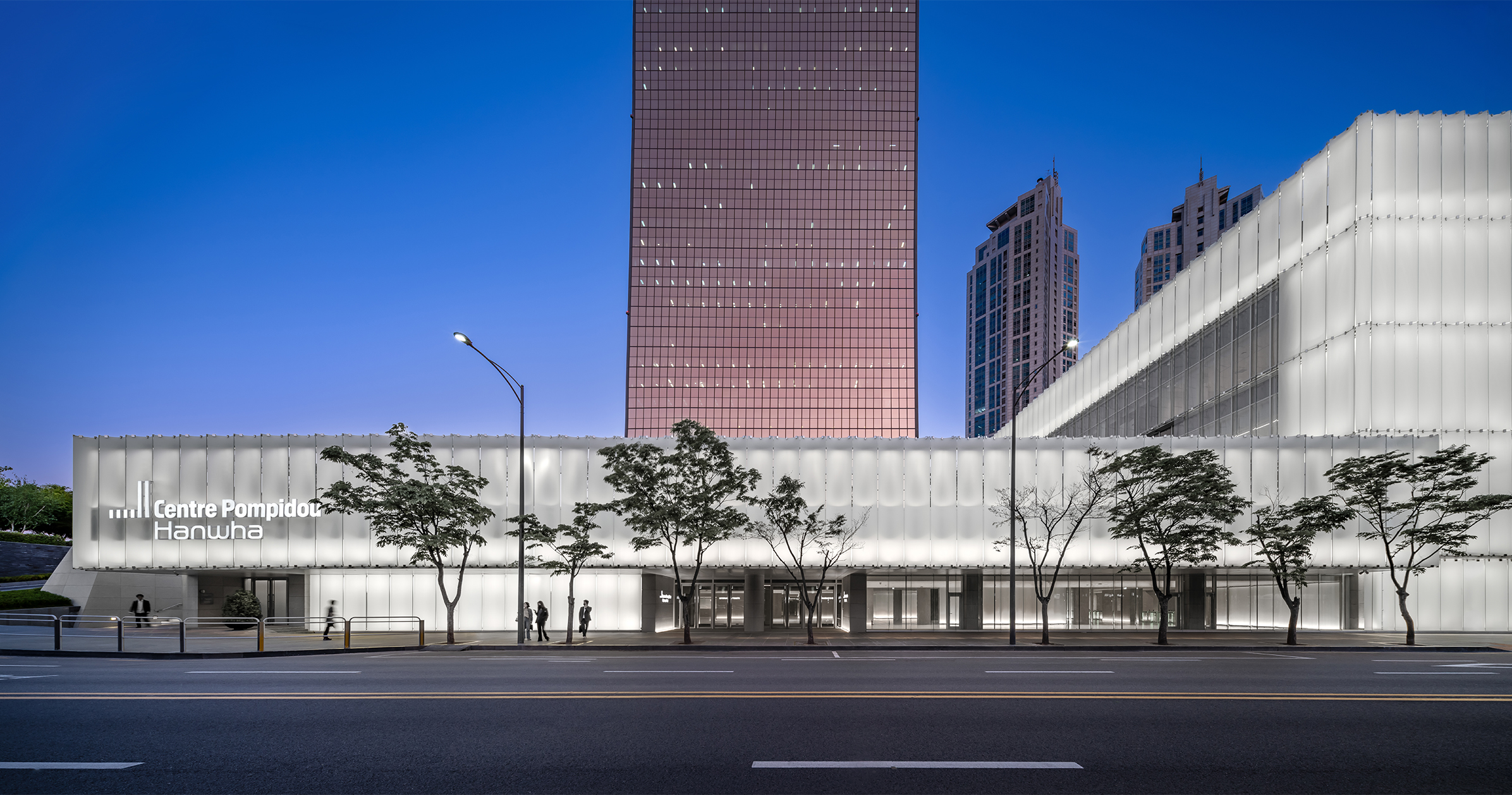
The central pavilion’s double glass skin, resembling a large Korean lantern, diffuses a soft light at dusk—a metaphor for shared knowledge and wisdom.
Local materials—particularly black volcanic stone—play a central role: the flamed mineral façades evoke the island’s telluric strength and contrast with the fragility of the central pavilion’s double skin.